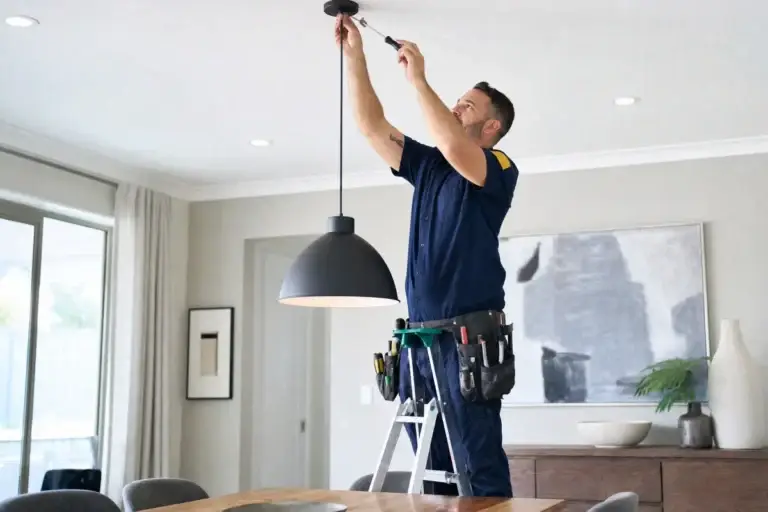
A detailed electrical inspection for buyers, sellers, older homes and remodels, with every finding photographed, ranked by urgency and explained in a written report you can act on.

Most homeowners never think about the electrical system until something goes wrong, and by then the question is what failed rather than what is about to. An electrical inspection flips that around. A licensed electrician works through the system from the point where power enters the house to the last outlet in the garage, looking for the problems that do not announce themselves: connections that are running hot, breakers that no longer match the wire they protect, missing protection in wet areas, and the quiet shortcuts past owners leave behind. A general home inspection covers the electrical system in broad strokes, and a good home inspector will flag what they can see. An electrician goes further, opening the panel, testing devices and recognizing wiring methods and equipment with a known history of trouble. Northgate Electric performs inspections for home buyers and sellers, owners of older houses, landlords, and anyone planning a remodel or a big new load like an EV charger. You receive a written report with photos and plain language explanations, and every item is ranked so you know what needs attention now, what should be planned, and what is simply worth knowing.
These are the situations where an inspection pays for itself most often:
Each of those carries its own risk. Buyers want to know about expensive surprises before closing, not after. Insurers increasingly ask about older panel brands, knob and tube wiring and aluminum branch circuits, and a documented inspection answers those questions with facts. Unpermitted work tends to cluster in finished basements, garages and additions, and it is the most common source of the problems we find. Planning a remodel without knowing what the existing system can carry leads to change orders halfway through. Water or smoke damage can leave hidden corrosion in panels, boxes and devices long after everything appears to work normally again. Rental properties deserve the same attention, because tenants rarely report small problems until they become big ones, and a documented inspection shows you took reasonable steps to keep the unit safe.
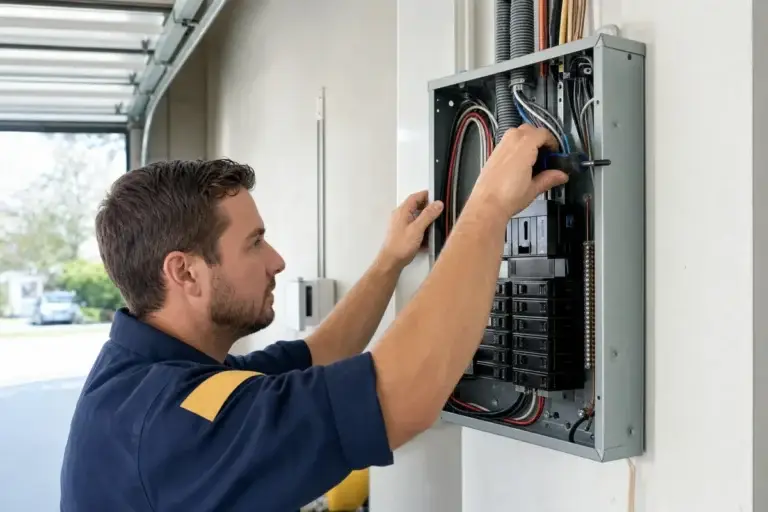
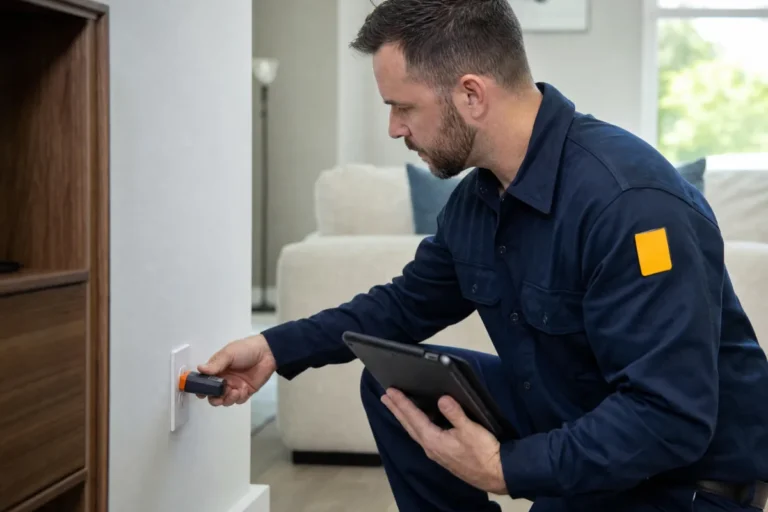
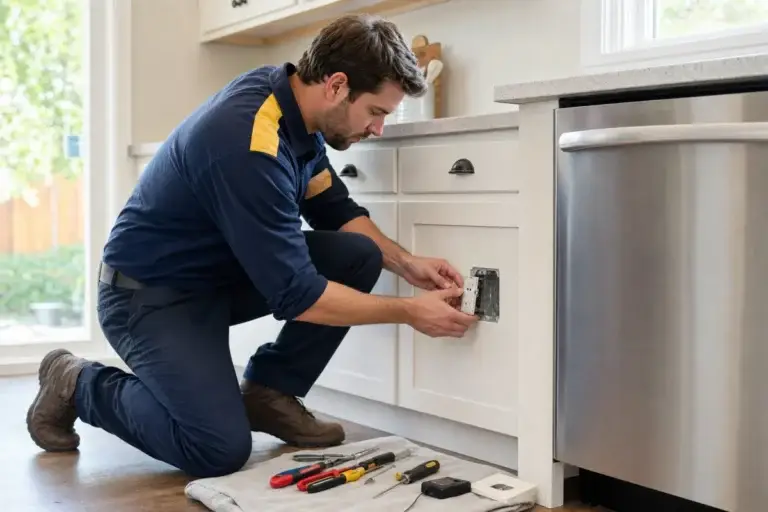
An inspection follows the path the power takes. Outside, we look at the service drop or underground feed, the meter base, the service mast and the weatherhead for damage, corrosion and proper clearances. We confirm the grounding electrode system and the bonding of metal water and gas piping, which protect you if something faults. At the panel, we remove the cover and check that each breaker is the right size for its wire, that no terminals hold two wires where they are not designed to, that connections show no heat damage or corrosion, and that the panel is not a model with a documented record of breakers that fail to trip. We look for missing knockout covers, unlabeled circuits and signs of overheating. Inside the house, we test outlets in every room for correct polarity and grounding, verify GFCI protection in kitchens, bathrooms, laundry areas, garages, basements and outdoors, and check for AFCI protection where it applies. We note the wiring types present, junction boxes that lack covers, loose or damaged devices and extension cords being used as permanent wiring. Common findings in older homes include open splices in attics, outlets wired backward during a past replacement, and bathroom circuits with no GFCI protection at all. We also confirm that smoke and carbon monoxide alarms are present where they should be. Where heat is a concern, a thermal camera helps us find connections running hotter than their neighbors without opening walls.
A list of code references is not much use to a homeowner, so our reports are written for the person who lives in the house. Every finding includes a photo, a short description of what we saw, why it matters and what the typical fix involves. Findings are grouped into three levels. Safety items, such as an overheating connection or a bathroom outlet with no GFCI protection, should be corrected promptly. Recommended improvements, such as adding surge protection or replacing worn outlets, can be planned. Notes cover things that are acceptable today but worth watching as the system ages. If you are buying, the report gives you something specific to discuss with the seller. If you are selling, fixing the safety items before listing removes a common source of renegotiation. If a repair is needed, we quote it separately, with no obligation to hire us for the work. The report belongs to you, and you can share it with your agent, your insurer or another contractor.
Lights that flicker grab your attention fast. You try the switch again and…
Light switches look simple, but a switch that quits can mean there is a…
Homeowners do a lot of research before committing to a remodel or new…
Smart home upgrades appeal to people because they save time and cut down…
Many homeowners reach out for an inspection because their breaker trips when…
When a major appliance shuts off in the middle of running or trips…
Ceiling fans make a room comfortable without running the air conditioning as…
Smoke alarms save lives, and they only work when the sensors inside them…
Electric vehicles have moved from a rare sight to something you see on…
Smart doorbells add convenience and peace of mind. You can see who is…
Every outlet and switch in the house leads back to the panel. When…
An electrician can spot what the untrained eye cannot see. There may be…
Switches, breakers, and outlets handle power day in and day out. Outlets…
From storms to grid shifts, surges arrive without warning and can damage…
Power outages hit harder in Colorado than in many places. A fast change…
A room with thoughtful lighting is clear, usable, and enjoyable to work in…
Upgrading the lighting in a commercial space sounds simple at first. In…
Colorado evenings are best on a deck with lighting that lets you…
With the right lighting, a yard that disappears at night becomes a place…
Inspections often end with a conversation about wiring. Knob and tube circuits, brittle cloth insulated cable, aluminum branch wiring and amateur additions all show up in older Denver homes, and each one has a right way to fix it. Sometimes that means remediating connections, sometimes replacing a few circuits, and occasionally a planned rewire done in stages. We explain the options, permit the work and patch cleanly so the house is safer without being torn apart…
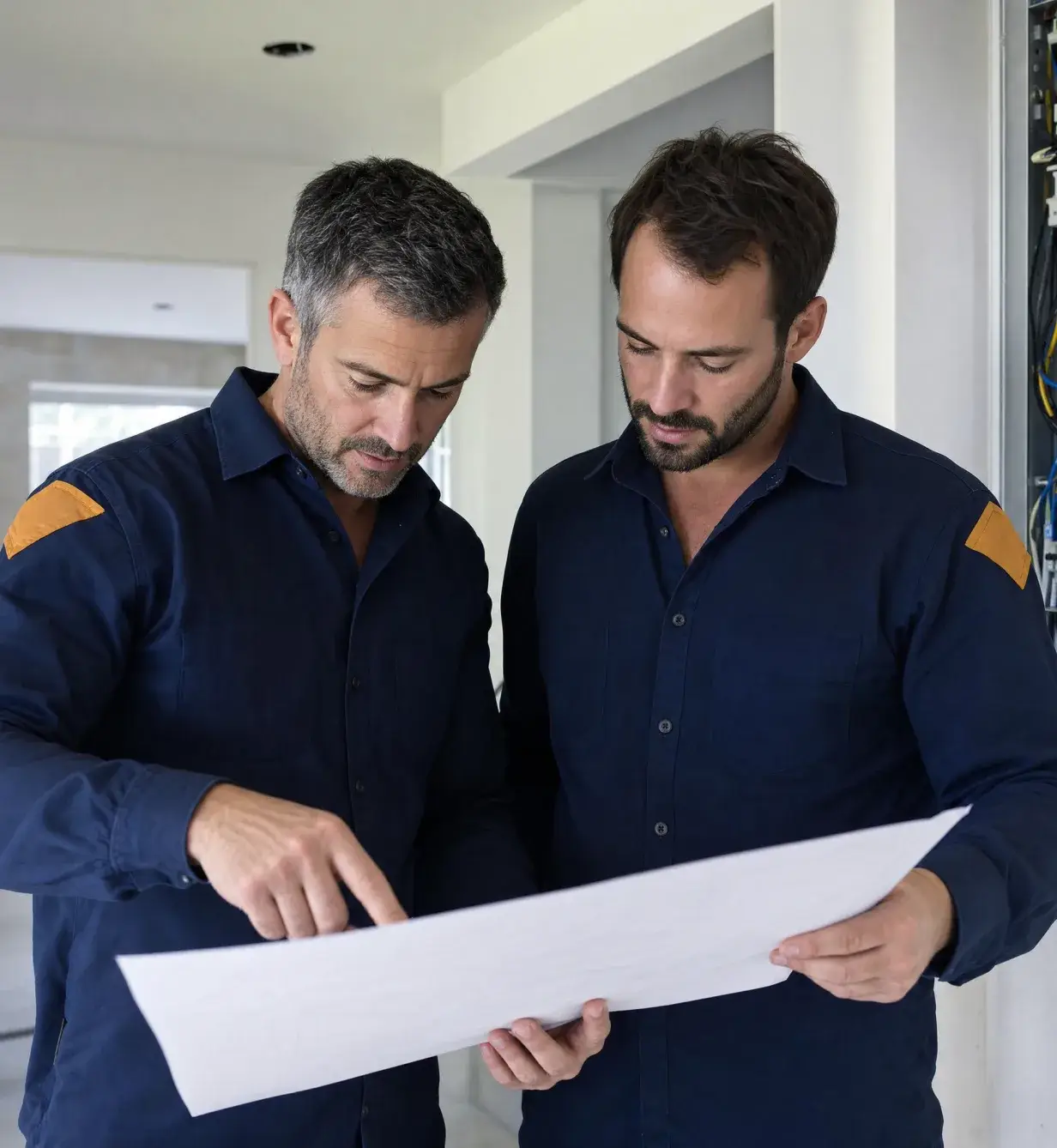
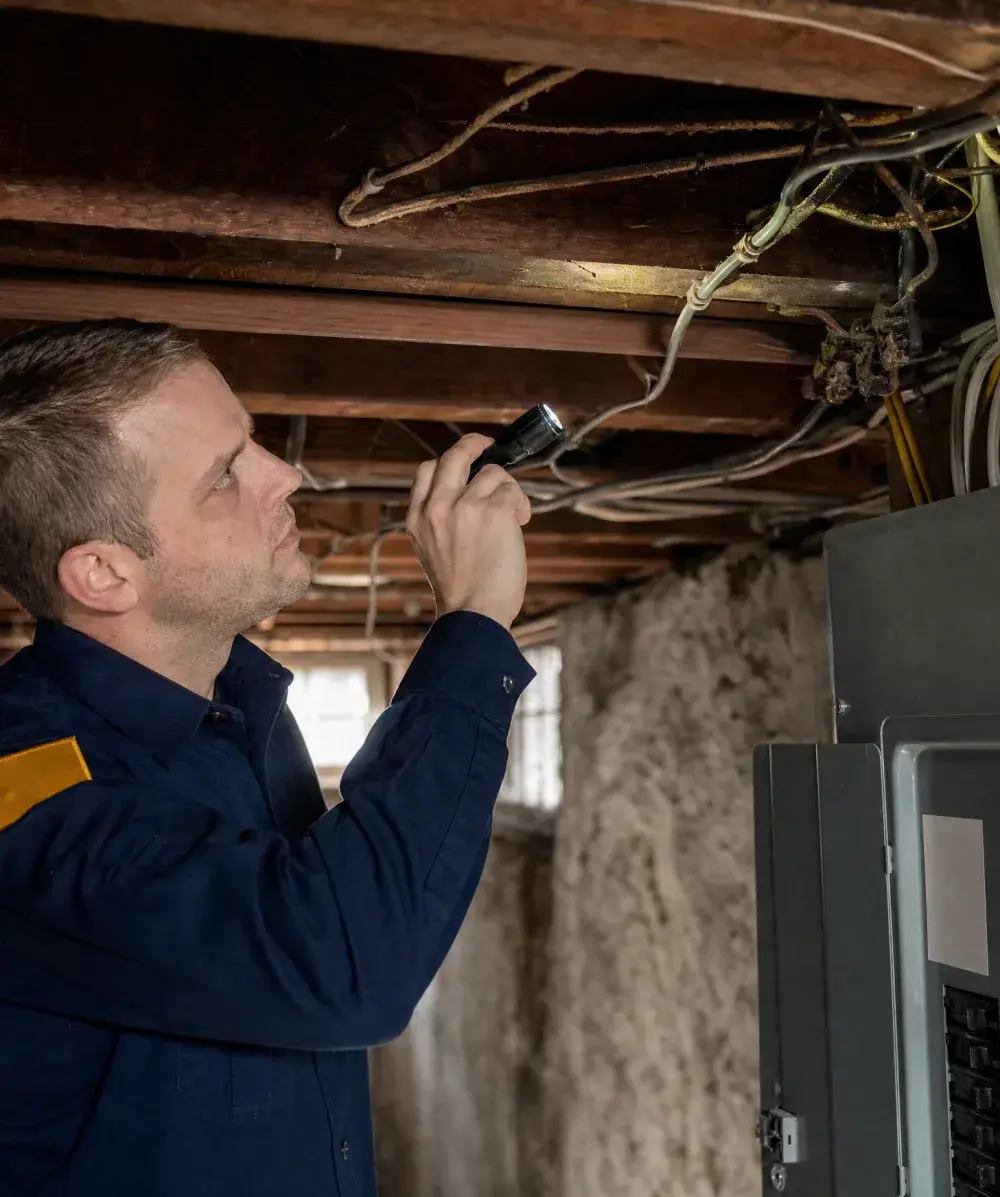
Any one of those is a good reason to book. For buyers, timing matters most. Inspection windows in a purchase contract are short, so call as soon as your offer is accepted and tell us the deadline. We prioritize contract inspections for that reason and deliver the report in time to use in your negotiations. For current owners there is no deadline, but an inspection every several years in an older home is a small cost set against the slow failures that turn into emergency calls.
Our inspection is an independent evaluation of the whole system. It is different from the permit inspection a city or county inspector performs, which checks only the specific work covered by that permit. It is also not a promise that nothing will ever fail, since no one can see inside every wall. What it gives you is a documented picture of where the system stands and what comes first. If the report shows the panel is at capacity or past its service life, a panel upgrade may top the list. We inspect homes of every age across the metro, including older estates where a licensed electrician in Cherry Hills Village, CO is asked to review decades of additions. Call today to book your inspection.
Whether you are buying, selling, renovating or simply living in an older home, an electrical inspection replaces guesswork with facts. Northgate Electric inspects the whole system, documents every finding and explains your options without pressure. Call (720) 555-0142 to schedule, or book your inspection online and we will confirm a time the same day.
Get $50 off electrical repairs of $500 or more. Limit one per customer. Not valid with other offers.
Get $100 off electrical panel replacement. Limit one per customer. Not valid with other offers.
Get $45 off EV charger installation. Limit one per customer. Not valid with other offers.
Get 10% off your electrical service needs. Maximum discount $100. Limit one per customer.
Straight answers to the questions Denver homeowners ask us most about electrical inspections.
Most single-family homes take two to three hours, depending on the size and age of the house and how easy it is to reach the panel, the attic and any crawlspace. Larger homes with several subpanels or detached buildings take longer.
It helps. We need access to the panel, the attic, the basement or crawlspace, the garage and the exterior, and being there lets you ask questions as we go. For vacant homes and active listings, we can coordinate access with your agent.
No. A home inspector evaluates the whole house and covers electrical at a general level. A licensed electrician opens the panel, tests devices and recognizes equipment and wiring methods with known problems, so the findings are more specific and come with realistic repair options.
Rarely, and only briefly. Most of the work is visual inspection and live testing with the proper equipment. If we need to turn off a circuit to examine something safely, we tell you first and keep the interruption short.
Yes. We identify which circuits still use it, check its condition, and look for places where it has been buried in insulation or spliced into newer wiring. You get a realistic plan for it, which also helps when an insurer asks about the wiring.
We can, but there is no obligation. The report stands on its own, and any repair we recommend is quoted separately in writing. Many homeowners use the report to collect competing bids or to negotiate repairs with a seller.
For homes more than a few decades old, every several years is a sensible rhythm. Also book one whenever you buy, sell or remodel, or before you add a major load such as an EV charger, a hot tub or a heat pump.