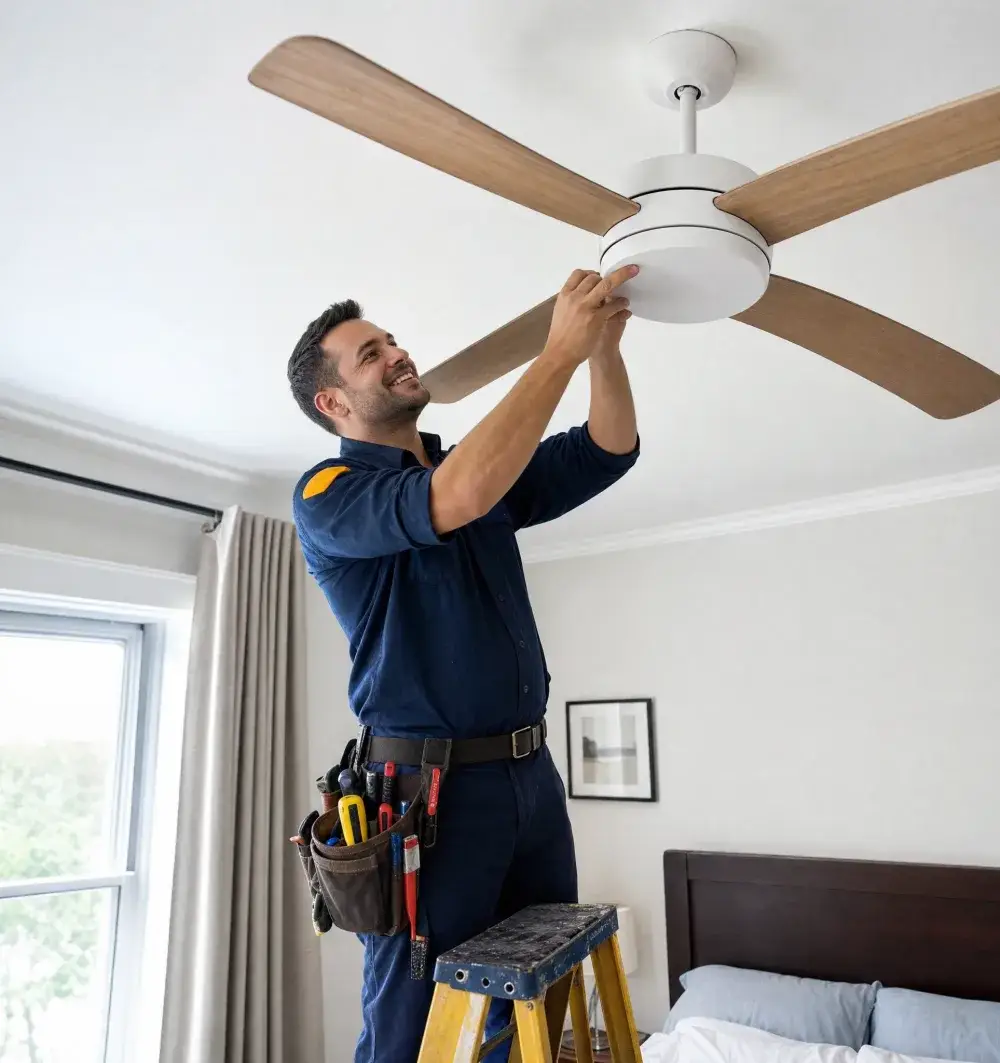
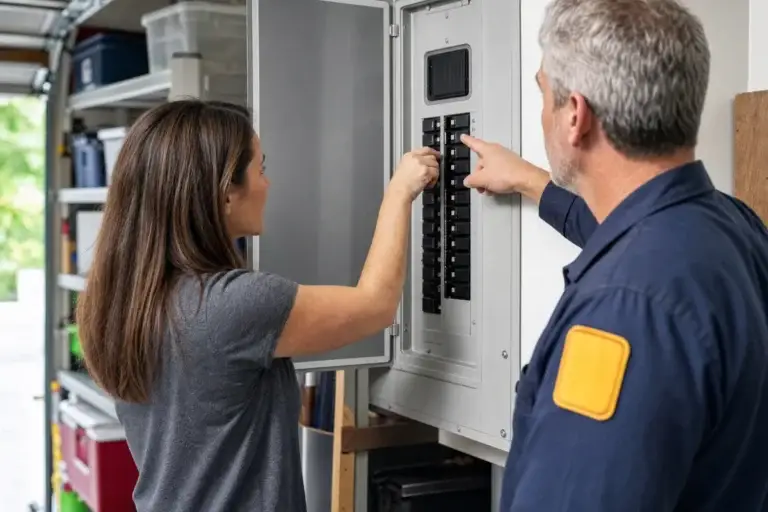
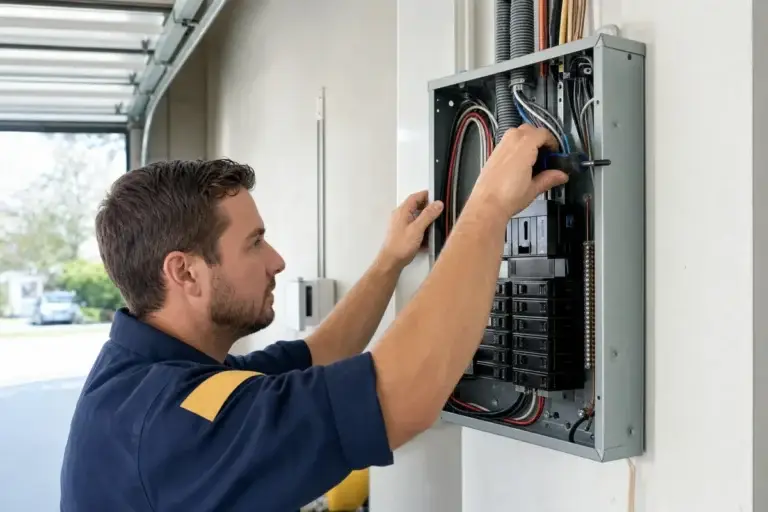
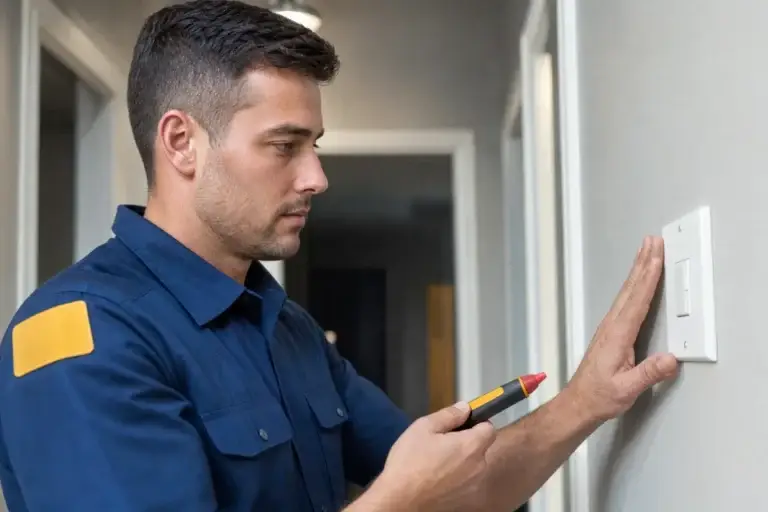
New circuits, remodel wiring and rewiring for older homes, installed by Northgate Electric to current code with permits pulled, inspections scheduled and walls patched neatly.
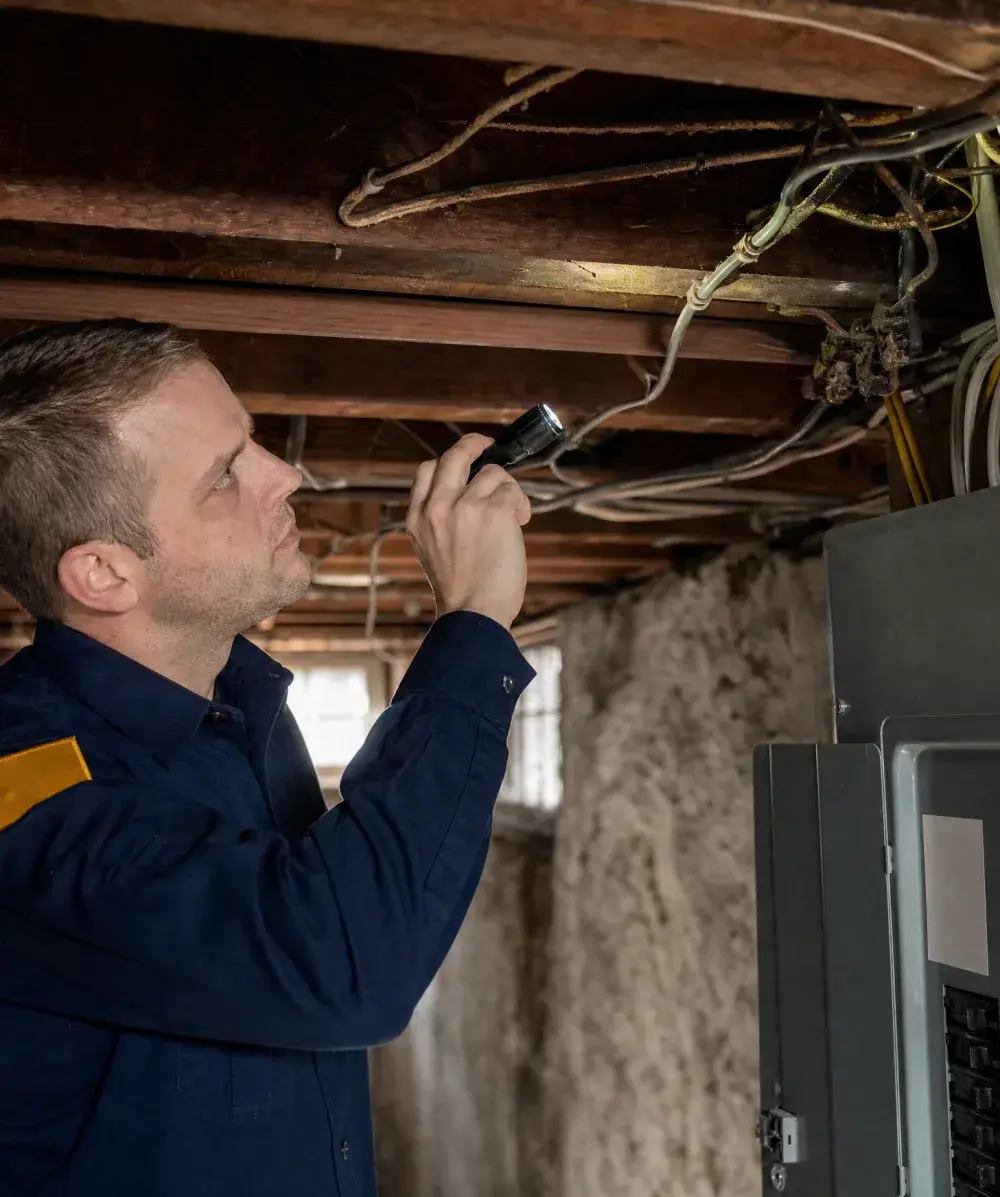
Wiring is the part of your electrical system you almost never see, and it does most of the work. Every outlet, light and appliance depends on cable running through walls, ceilings and crawl spaces, and on hundreds of connections made inside boxes you will never open. When that wiring is sized correctly, protected by the right breaker and terminated tightly, it can serve a home for decades. When it is undersized, overloaded, damaged during a past renovation or simply worn out, it becomes the source of tripping breakers, warm outlets and the kind of hidden heat that starts fires. Northgate Electric handles wiring projects of every size across the Denver metro, from one new dedicated circuit for a freezer in the garage to wiring a full basement finish or replacing the original wiring in an older home. Every job starts the same way. We look at what you have, what you want to add and what the panel can support, then lay out the circuits so they meet the National Electrical Code and make sense for how you will actually use the space. You get a written scope and price before any wire is pulled.
Wiring problems tend to announce themselves in small ways first. It is worth having a licensed electrician look at your home if you notice any of these:
None of those automatically means a whole-house rewire. Tripping and dimming often trace back to one overloaded circuit or a single loose connection, and a targeted repair solves it. Older wiring types are a different conversation. Knob and tube wiring has no ground and was designed to shed heat into open air, so it becomes a hazard when blown-in insulation is packed around it. Aluminum branch wiring, used in some homes built from the mid 1960s into the early 1970s, expands and contracts more than copper and can loosen at outlets and switches, though approved connectors can often make it safe without full replacement. Cloth-insulated cable turns brittle with age and can crack when it is disturbed. We start with a thorough electrical inspection, show you what we find, and rank each issue by risk so you can decide what to fix now and what to plan for.
Most wiring calls today are about adding, not fixing. A home office needs outlets where the desk actually sits. A garage workshop needs a 20 amp circuit for a table saw and a separate one for a compressor. A chest freezer, a wine fridge, a sump pump or a steam shower each works best on a circuit that nothing else shares. Kitchen remodels are the biggest example, because current code calls for at least two 20 amp small-appliance circuits serving the countertops, GFCI protection for kitchen outlets, and appliances like the dishwasher, disposal and built-in microwave are usually given circuits of their own. New and extended circuits in most living spaces also need AFCI protection, which detects the arcing that damaged cords and loose connections produce. Every new circuit starts at the panel, so we confirm there is capacity and an open space before anything else. If the panel is full, tandem breakers are only allowed where the panel is listed for them, and a subpanel or an upgrade may be the honest answer. New circuits require a permit, so we pull it, schedule the rough-in inspection before the walls are closed, and close it out after the final inspection.
The idea of rewiring a house makes most people picture every wall torn open. In practice, a skilled rewire is closer to careful surgery. We route new cable through attics, basements, crawl spaces and closets wherever we can, and fish it through existing walls using small, planned openings at outlets, switches and a few access points. Those openings are cut cleanly so they patch cleanly. Rewiring can also happen in stages. Many homeowners start with the circuits that carry the most risk or the heaviest loads, such as the kitchen, bathrooms and laundry, then finish the bedrooms and living areas later, or time each stage with a remodel that is already opening walls. Older inner-ring suburbs like Englewood have plenty of homes where original wiring sits alongside decades of additions by different owners, and a staged plan lets you fix the most important parts first without living in a construction zone. Throughout the job we restore power to the rooms you need at the end of each day, cover floors and furniture, and clean up before we leave. Every new run is grounded, protected with GFCI and AFCI where required, and recorded on an accurate panel directory.
Lights that flicker grab your attention fast. You try the switch again and…
Light switches look simple, but a switch that quits can mean there is a…
Every outlet and switch in the house leads back to the panel. When…
Smart home upgrades appeal to people because they save time and cut down…
Many homeowners reach out for an inspection because their breaker trips when…
When a major appliance shuts off in the middle of running or trips…
Ceiling fans make a room comfortable without running the air conditioning as…
Smoke alarms save lives, and they only work when the sensors inside them…
Electric vehicles have moved from a rare sight to something you see on…
Smart doorbells add convenience and peace of mind. You can see who is…
An electrician can spot what the untrained eye cannot see. There may be…
Homeowners do a lot of research before committing to a remodel or new…
Switches, breakers, and outlets handle power day in and day out. Outlets…
From storms to grid shifts, surges arrive without warning and can damage…
Power outages hit harder in Colorado than in many places. A fast change…
A room with thoughtful lighting is clear, usable, and enjoyable to work in…
Upgrading the lighting in a commercial space sounds simple at first. In…
Colorado evenings are best on a deck with lighting that lets you…
With the right lighting, a yard that disappears at night becomes a place…
New wiring is only as good as the panel feeding it. When a home is adding circuits for a remodel, an office or a garage workshop, the original panel often has no open spaces and little spare capacity. Replacing it gives every new circuit a proper breaker, makes room for AFCI and GFCI protection, and clears out worn connections at the same time. Planned together, the panel and the new wiring can share one permit and one schedule…
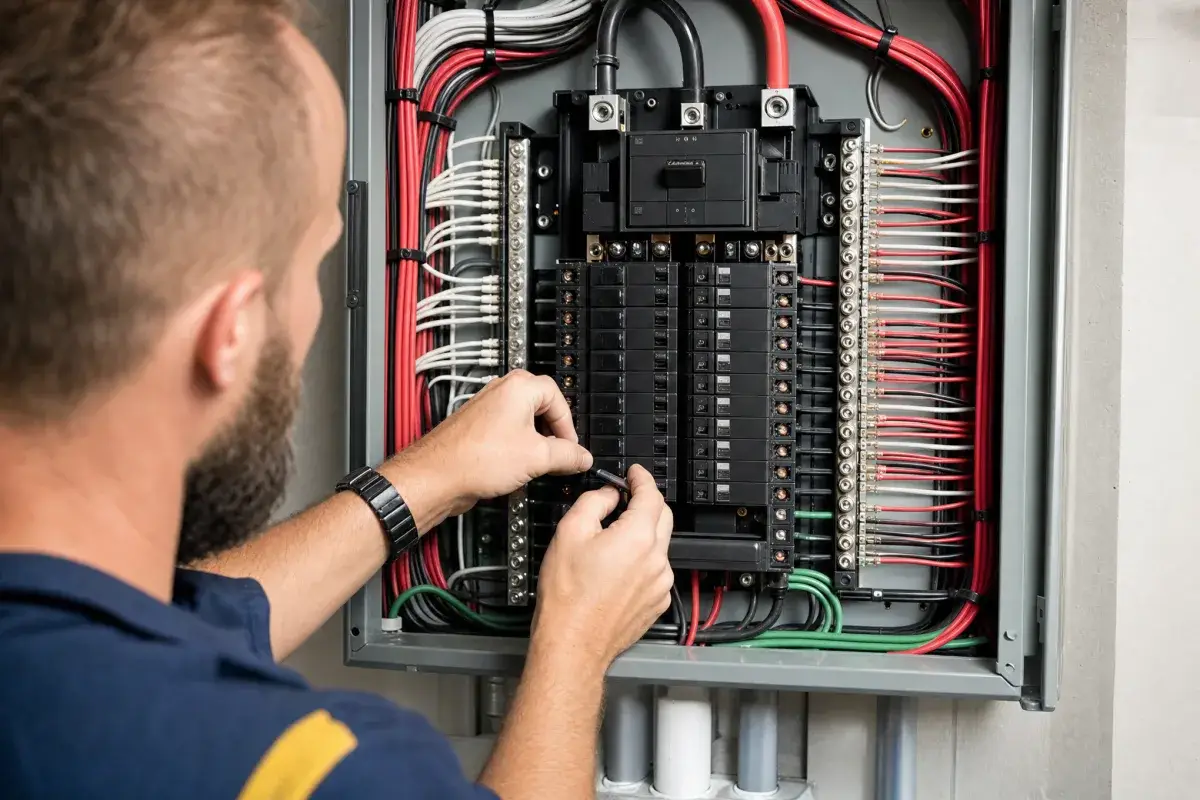
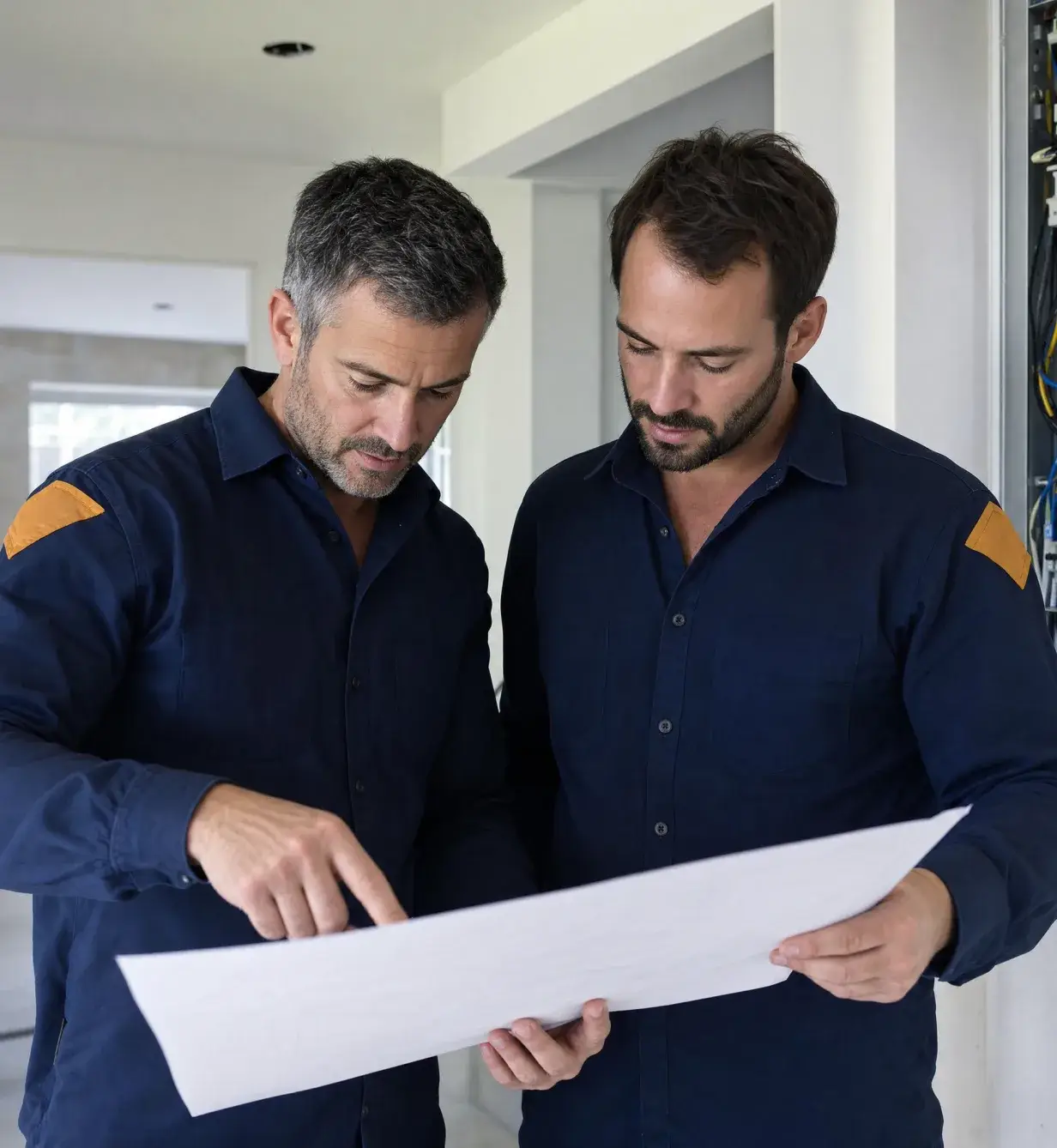
A basement finish or an addition is the best chance you will ever get to wire a space the right way, because the framing is open and every cable can go exactly where it belongs. Decide how the room will be used before the electrician arrives. A home theater, a guest suite and a gym need very different outlets, lighting and circuits, and changing the plan after drywall is far more expensive than getting it right at rough-in. A spot saved for a treadmill or a second refrigerator is also far easier to wire now.
We walk the space with you, mark every outlet, switch and fixture on the studs, and confirm the circuit count against what the panel can carry. Basements come with their own rules. Outlets in basements need GFCI protection under current code, bedrooms need AFCI protection and a smoke alarm tied into the rest of the house, and bathrooms need their own GFCI-protected circuit. We coordinate the electrical rough-in with your framer, plumber and HVAC contractor so the inspections line up, and we meet the inspector before insulation and drywall go in. Planning it this way keeps the project on schedule and avoids cutting into brand new walls to add something that was missed. Call today to plan your wiring project.
Good wiring stays out of sight for decades, while bad wiring eventually shows itself at the worst possible moment. Whether you need one new circuit, a remodel wired from scratch or a staged plan to replace old wiring, Northgate Electric will give you a clear scope, a written price and permitted, inspected work. Call (720) 555-0142 to schedule an assessment, or send us your project details and we will follow up.
Get $50 off electrical repairs of $500 or more. Limit one per customer. Not valid with other offers.
Get $100 off electrical panel replacement. Limit one per customer. Not valid with other offers.
Get $45 off EV charger installation. Limit one per customer. Not valid with other offers.
Get 10% off your electrical service needs. Maximum discount $100. Limit one per customer.
Straight answers to the questions Denver homeowners ask us most about wiring, rewiring and new circuits.
Age alone does not decide it. Knob and tube wiring, brittle cloth-insulated cable, heavy reliance on extension cords and repeated heat damage at outlets are stronger signs. An inspection tells you whether you need a full rewire or targeted repairs.
A typical single-family rewire takes several days to a couple of weeks, depending on the size of the home, access and how many stages you choose. Patching and inspections add time, and we give you a schedule before we start.
Yes. New circuits, extended circuits and rewiring require a permit and an inspection in Denver and the surrounding cities and counties. We pull the permit and meet the inspector.
Not automatically, but it has no ground, it was not built for modern loads, and it can overheat when buried in insulation. Many insurers also ask about it. Replacing the circuits still in use is the long-term fix.
Usually, yes. We fish cable through existing walls from the attic, the basement or a nearby outlet, with small openings that patch easily. Insulated exterior walls and internal fire blocking can take more work, and we tell you before we start.
A single new circuit with a short, accessible run typically falls between about $350 and $900. Long runs, finished walls and panel work raise that, and whole-home rewiring is priced per project. Your price is confirmed in writing after a visit.
GFCI protection shuts off power when current leaks toward ground, which protects people from shock in wet areas. AFCI protection detects dangerous arcing from damaged wires or loose connections, which helps prevent fires. Many new circuits need one or both.