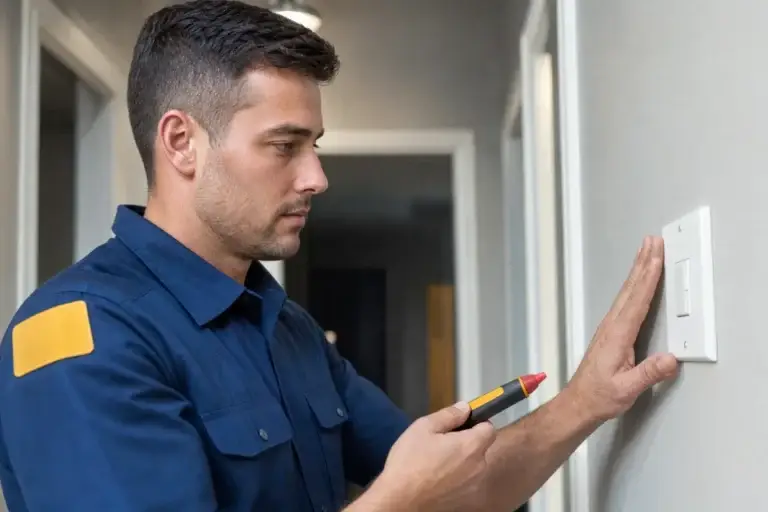
Put your hand on a light switch plate and you should feel nothing, or at most a gentle warmth. Anything more tells you something is turning electricity into heat inside that wall box, and it helps to know which kind of warm you have.
Dimmers are the exception. A dimmer controls brightness by regulating the power reaching the lights, and it sheds a little heat while it does it. A dimmer plate that feels mildly warm after the lights have been on for an hour is normal. It should never be too hot to keep your hand on, and every dimmer has a wattage rating that the fixtures on it must stay under. When several dimmers share one box and their side fins are snapped off to fit, that rating drops.
When a warm switch is a warning
A standard on and off switch has no reason to make heat. If one feels warm, the usual cause is a poor connection. Wires pushed into the quick-connect holes on the back of a switch, instead of wrapped around the side screws, tend to loosen over years of use. A loose terminal, a worn switch or a switch carrying more load than it is rated for all create heat at a point that was built to pass current freely. Stop using any switch that shows these signs.
- A plate too hot to rest your hand on
- Discolored or melted plastic around the toggle
- Buzzing, crackling or a burning smell
- Lights that flicker when you touch the switch
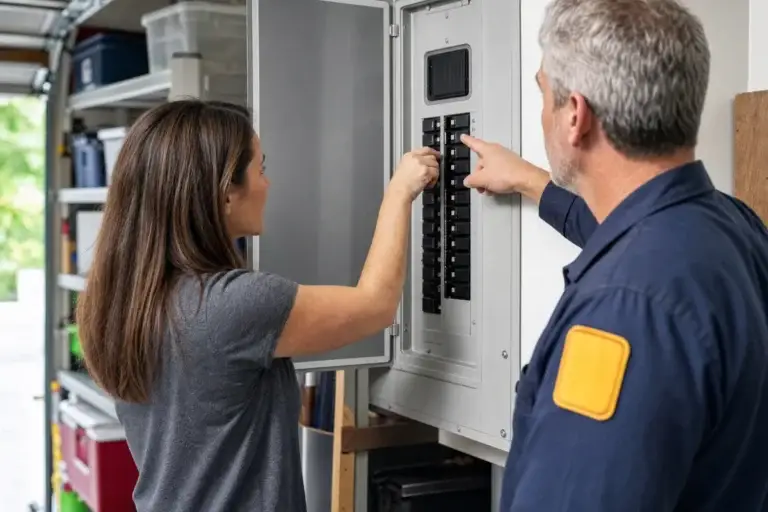
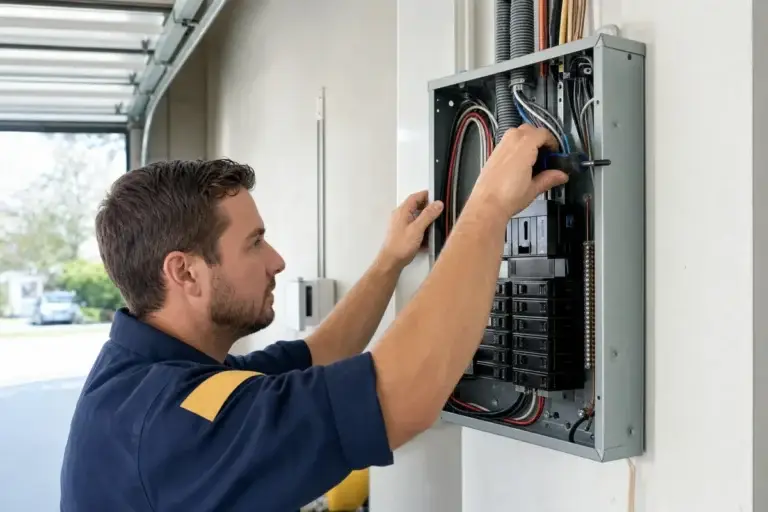
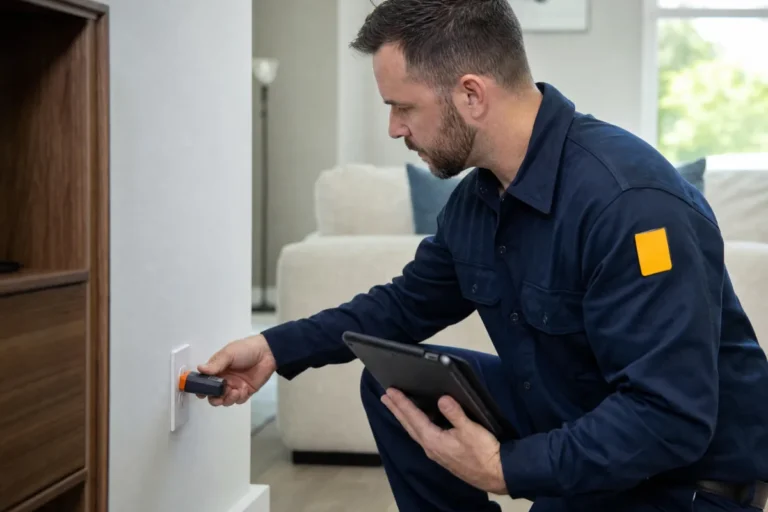
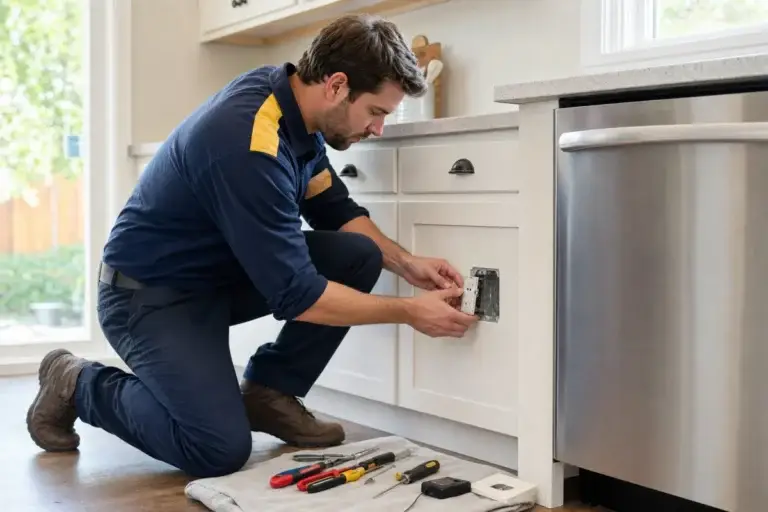
Turn the switch off and shut off its breaker until it can be checked. Do not pull the switch out of the box with the power on. Our switch repair and replacement service opens the box, checks the wiring, and installs a switch or dimmer rated for the load it actually runs. If several switches around the house run warm, an electrical inspection can show whether the problem is bigger than one box.
For a switch that feels warmer than it should, call Northgate Electric at (720) 555-0142.