Loose, warm, dead or outdated outlets replaced by Northgate Electric with GFCI, tamper-resistant and USB options installed to code in kitchens, bathrooms, garages and outdoors.

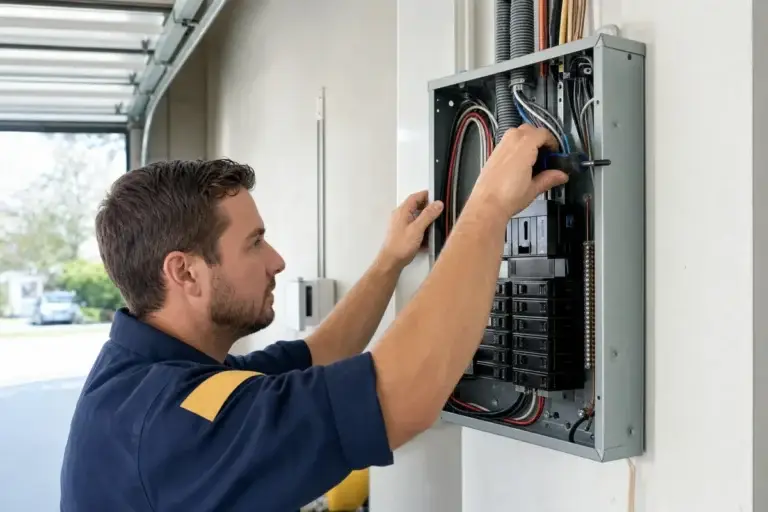
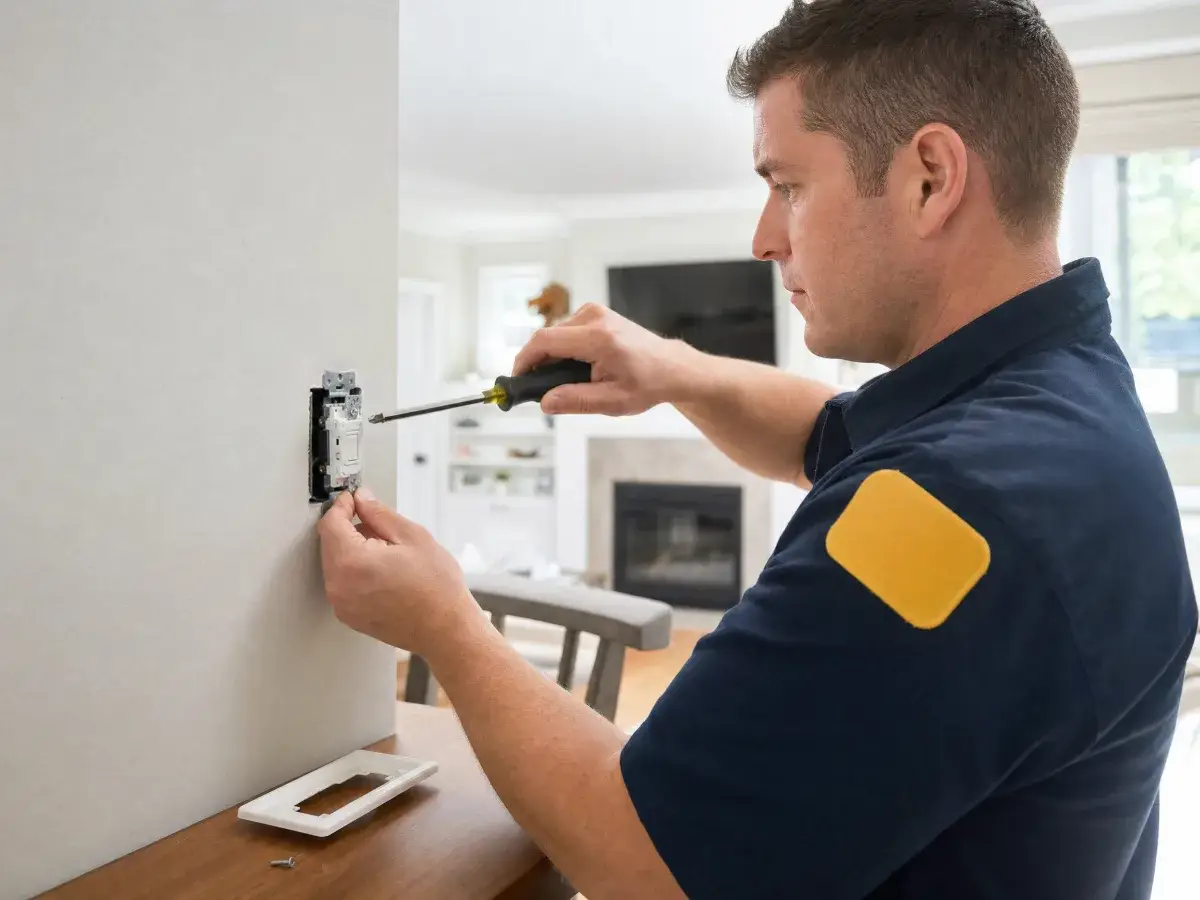
You use your outlets dozens of times a day, and most of them are older than you think. A receptacle wears a little every time a plug goes in and comes out. Over the years the internal contacts lose their grip, plugs start to sag or fall out, and the connections behind the faceplate loosen. A loose connection creates resistance, resistance creates heat, and heat at an outlet is how a lot of electrical fires begin. Many homes also have outlets wired with push-in connections on the back instead of the screw terminals on the sides, a shortcut that tends to loosen faster over time. Northgate Electric replaces and repairs outlets across the Denver metro, from a single scorched receptacle behind the couch to upgrading every outlet in a house to modern, tamper-resistant devices. We do not just swap the faceplate. We open the box, check the wire, the connections and the grounding, and trace problems back to their source, because a dead or warm outlet is often a symptom of something further along the circuit. You get a clear explanation and a written price before we replace anything.
A worn or damaged outlet usually gives you some warning before it fails. Stop using the outlet and call us if you notice any of these:
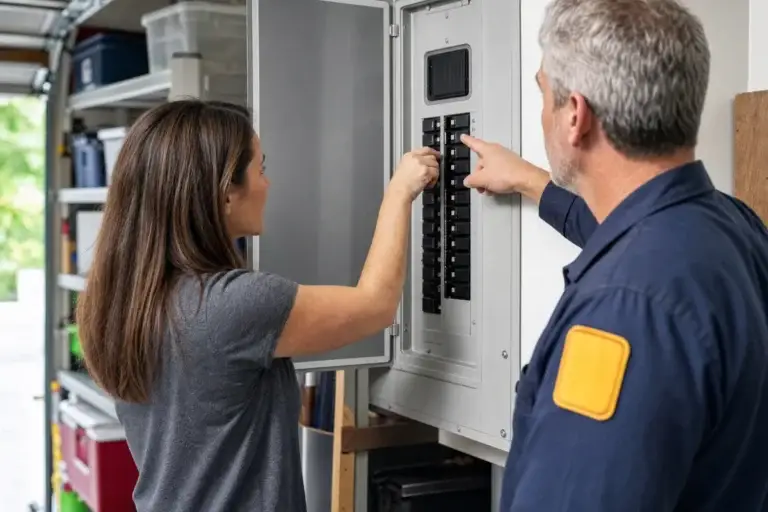
That last one is often simpler than it looks. A GFCI outlet protects every standard outlet wired after it on the same circuit, so a tripped GFCI in a bathroom can leave an outlet in the garage or on the patio dead with no obvious reason. Before you call, look for GFCI outlets with a reset button in nearby bathrooms, the kitchen, the garage, the basement and outdoors, and press reset on any that have tripped. If that brings the power back and it keeps tripping, the circuit has a fault worth tracking down. If an outlet is warm, marked or sparking, leave it alone, switch off the breaker if you can reach it safely, and have it checked. A small brown mark can mean the connection behind it has been overheating for months, and the damage inside the box is usually worse than what shows on the faceplate. We replace the damaged device, cut back any heat-damaged wire to clean copper, and check the rest of the circuit for the same problem.
Outlet safety has come a long way since most homes were built, and current code reflects it. GFCI protection, which shuts off power in a fraction of a second when current starts leaking toward a person, is required for outlets in bathrooms, kitchens, garages, laundry areas, basements, outdoors and within reach of sinks. Tamper-resistant outlets have internal shutters that stop a child from pushing a key or a hairpin into one slot, and they are required when outlets in a home are replaced. AFCI protection guards against arcing faults in walls and cords, and when an outlet is replaced on a circuit that calls for it, adding that protection is part of the job, either with an AFCI breaker at the panel or a combination device at the first outlet on the circuit. Weather matters outside. Outdoor outlets should be weather-resistant and sit under an in-use cover that stays closed with a cord plugged in, which keeps snowmelt and sprinklers out of the connection. When we replace outlets, we bring each location up to the protection it needs, test every GFCI and AFCI device, and show you how to test them yourself each month.
Many older homes around Denver still have two-prong outlets, and they create a daily frustration: modern plugs with a ground pin simply do not fit. A common past fix was to swap in a three-prong outlet without a ground wire behind it. It looks right, but the ground pin connects to nothing, and surge protectors and electronics that rely on that ground get no benefit at all. There are proper ways to solve it. If a ground path exists in the box, we connect to it and verify it with a tester. If not, code allows a three-prong outlet on an ungrounded circuit when it is GFCI protected and labeled “No Equipment Ground,” which protects people from shock even without a ground wire. For outlets that power computers, entertainment systems or appliances that truly need a ground, running a new grounded circuit is the better long-term answer. We test each outlet, tell you which ones are actually grounded and which ones only look that way, and recommend the right fix for each room rather than one blanket solution for the whole house.
Lights that flicker grab your attention fast. You try the switch again and…
Smart home upgrades appeal to people because they save time and cut down…
Light switches look simple, but a switch that quits can mean there is a…
Many homeowners reach out for an inspection because their breaker trips when…
When a major appliance shuts off in the middle of running or trips…
Ceiling fans make a room comfortable without running the air conditioning as…
Smoke alarms save lives, and they only work when the sensors inside them…
Electric vehicles have moved from a rare sight to something you see on…
Smart doorbells add convenience and peace of mind. You can see who is…
Every outlet and switch in the house leads back to the panel. When…
An electrician can spot what the untrained eye cannot see. There may be…
Homeowners do a lot of research before committing to a remodel or new…
Switches, breakers, and outlets handle power day in and day out. Outlets…
From storms to grid shifts, surges arrive without warning and can damage…
Power outages hit harder in Colorado than in many places. A fast change…
A room with thoughtful lighting is clear, usable, and enjoyable to work in…
Upgrading the lighting in a commercial space sounds simple at first. In…
Colorado evenings are best on a deck with lighting that lets you…
With the right lighting, a yard that disappears at night becomes a place…
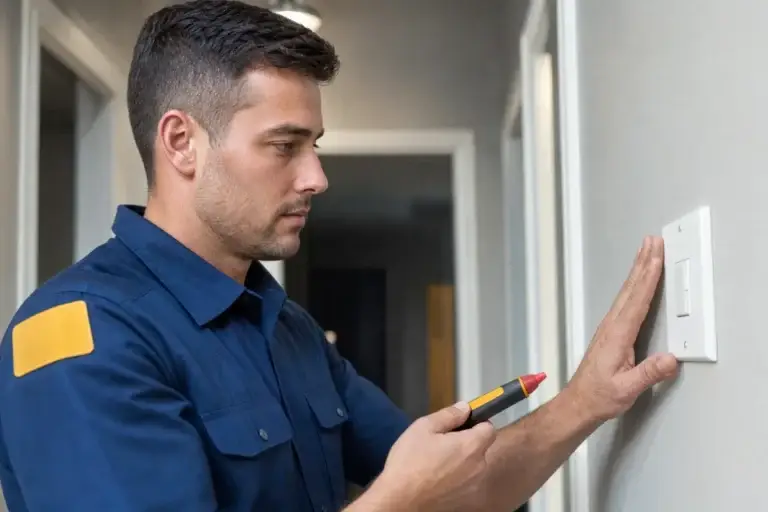
Outlets and switches wear out on the same schedule, and they share many of the same problems: loose connections, heat damage and devices installed decades ago. A switch that feels warm, crackles when you flip it or controls nothing you can identify deserves the same attention as a failing outlet. Replacing both in one visit is efficient, and it is a good time to add dimmers, timers or smart switches where they make daily life easier…

Every one of those is a sign that your home has fewer outlets than your life needs. Older houses were often built with one or two outlets per room, long before computers, chargers and countertop appliances. Extension cords and stacked power strips fill the gap, but they are meant for temporary use, and in daily service they wear, overheat and get pinched under furniture. Adding outlets where you actually use power is safer and tidier than living around a web of cords.
A new outlet can often be added to an existing circuit with capacity to spare, fed from a nearby outlet or from the basement below, through a small opening that patches easily. Kitchens deserve careful planning. Code calls for countertop outlets spaced so no point along the counter wall is more than 24 inches from one, on 20 amp circuits with GFCI protection, which many older kitchens do not meet. Garages need GFCI protection, and outdoor locations need weather-resistant outlets with in-use covers. Extending a circuit can require a permit, and we handle it when it does. We map where you need power, confirm the circuit can carry it, and quote each location clearly. Call today to plan your new outlets.
A loose or warm outlet will not repair itself, and it rarely stays a small problem for long. Whether you have one outlet that sparks, a house full of two-prong receptacles or a kitchen that needs GFCI protection and more places to plug in, Northgate Electric can replace, repair and add outlets the right way. Call (720) 555-0142 to book a visit, or request a quote online.
Get $50 off electrical repairs of $500 or more. Limit one per customer. Not valid with other offers.
Get $100 off electrical panel replacement. Limit one per customer. Not valid with other offers.
Get $45 off EV charger installation. Limit one per customer. Not valid with other offers.
Get 10% off your electrical service needs. Maximum discount $100. Limit one per customer.
Straight answers to the questions homeowners ask us most about outlet repair and replacement.
Usually a loose connection or a worn receptacle is creating resistance and heat, or a heavy load like a space heater is running on a tired outlet. Stop using it and switch off the breaker until it is checked, because heat at an outlet can start a fire.
It is probably downstream of a tripped GFCI outlet in a bathroom, kitchen, garage or outdoors. Press reset on nearby GFCI outlets. If that does not restore power, a loose connection somewhere on the circuit is the likely cause.
Only the right way. Either a ground wire has to be present and connected, or the outlet must be GFCI protected and labeled as having no equipment ground. A three-prong outlet with nothing connected to the ground pin is misleading and unsafe.
There is no fixed schedule. Replace any outlet that no longer grips a plug, shows scorch marks, feels warm or has a cracked face. In older homes, replacing worn outlets throughout is often worthwhile once several start failing.
For bedsides, kitchens and home offices, yes. They free up plug space and remove bulky adapters. Choose a quality unit with enough charging output for current phones and tablets, and we install it like any other outlet.
Replacing a standard outlet or upgrading one to GFCI typically runs about $120 to $300 per location, with a lower cost per outlet when several are done in one visit. Adding a new outlet costs more, and your price is confirmed in writing after we see the job.
Yes. Outdoor outlets in wet or damp locations need weather-resistant receptacles, GFCI protection and a cover that stays closed while a cord is plugged in. That keeps rain, snowmelt and sprinklers away from the connection.