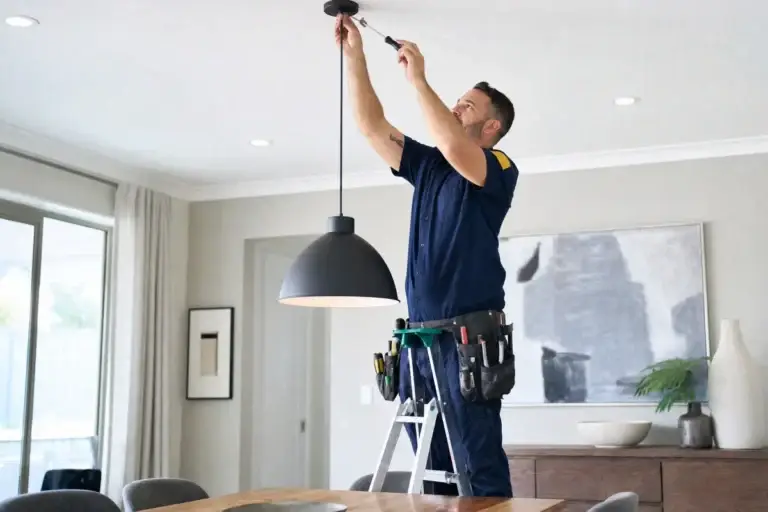
Smart switches, scheduled lighting, energy monitoring and connected devices wired properly into your home, with a setup that works reliably and stays simple to use.
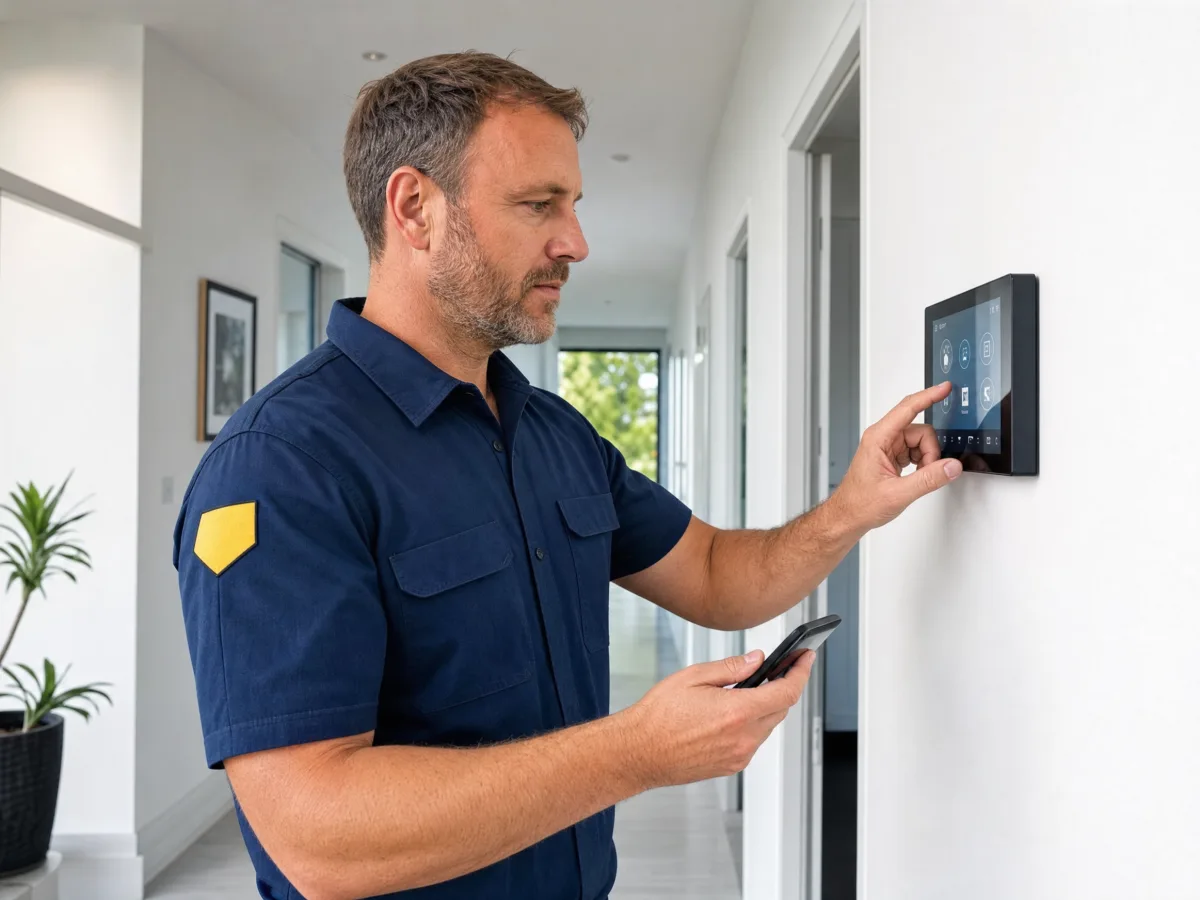
Smart home technology has become easy to buy and surprisingly easy to get wrong. A box of smart switches, a video doorbell and a hub from three different brands can end up as three apps, a dozen devices that drop offline, and lights that only work when the Wi-Fi is up. The hardware is rarely the problem. The wiring behind it, the way the devices talk to each other and the plan for the whole system decide whether it feels effortless or frustrating. Northgate Electric installs smart home automation with the electrical side done properly first. That means switch boxes with the neutral wires smart devices need, circuits that can carry what you are adding, and hardwired devices mounted and connected to code. Then we set up the controls around the way your household actually lives: lights that come on as you pull into the garage, a porch light on a sunset schedule, a single button that turns off the whole downstairs at bedtime. We work with the major platforms and standards, and we tell you honestly when a simpler option does the same job for less. Everything is priced in writing before we start.
Before recommending any products, we look at the house the system has to live in, starting with three questions:
Those answers shape a system that grows cleanly instead of piling up. Wireless standards matter more than most product boxes let on. Wi-Fi devices are simple to set up, but each one adds traffic to your router, and a house full of them can slow everything down. Devices built on mesh protocols such as Zigbee, Z-Wave or Thread relay signals through each other and usually respond faster, but they need a compatible hub or controller. Matter, a newer standard backed by the major platforms, is making it easier to mix brands, though support still varies from device to device. We also note devices that need their own power, such as hubs, cameras and access points, so outlets end up where they are needed rather than behind furniture. We explain the tradeoffs in plain terms and match the products to your house, not to a brand we happen to prefer.
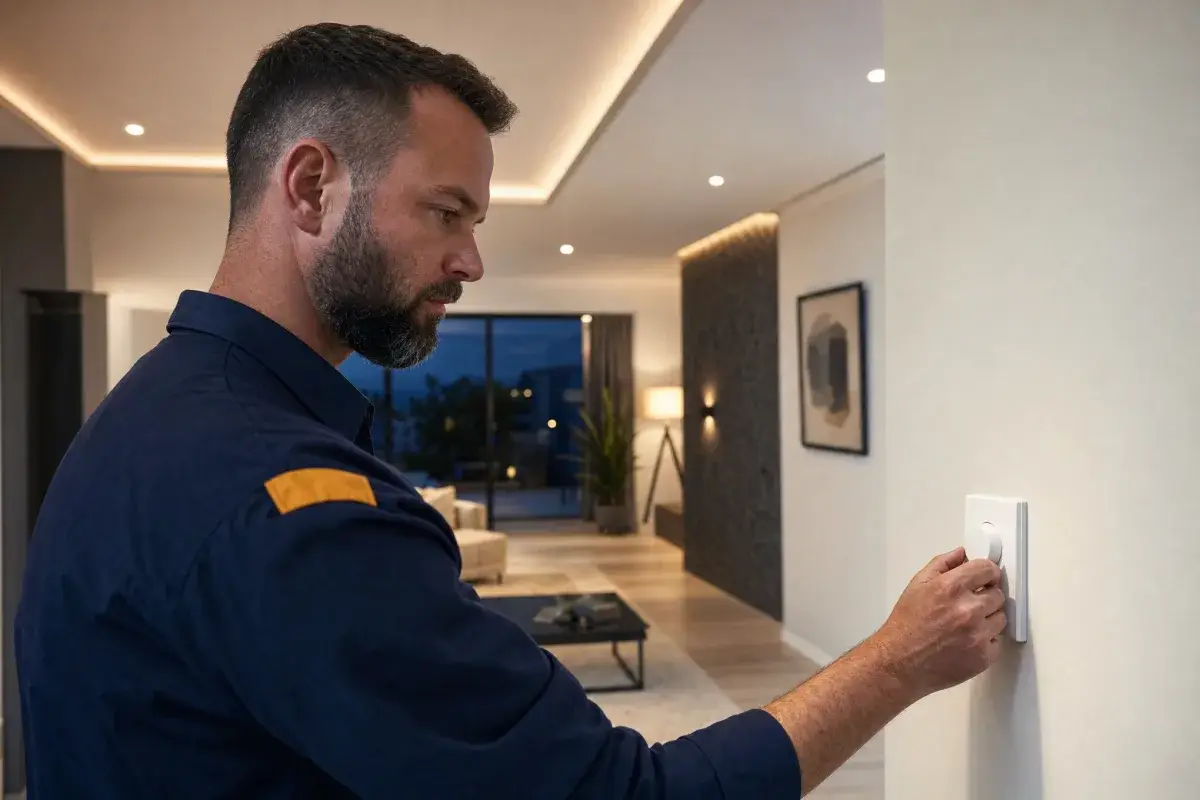
Lighting is where most homeowners start, and it is where installation quality shows. Smart bulbs are fine for a lamp, but in fixtures controlled by a wall switch they go dark and unreachable the moment someone flips the switch off. Smart switches and dimmers solve that by putting the intelligence in the wall, where everyone already reaches. They are larger than standard switches, so a crowded box with several devices and old wiring may need a deeper box or careful rearranging to fit safely. Many require a neutral conductor, which current code calls for at most new switch locations but which older homes often lack. Where a neutral is missing, we either choose a model designed to work without one or run a new cable where it is practical. Dimmers have to be matched to the fixtures they control, since LED loads behave differently from incandescent ones, and a mismatch causes flicker and buzzing. Three-way locations need companion devices from the same system. Once the hardware is in, we set up scenes, schedules and groups, label everything clearly in the app and show you how it works, so the system does not depend on the one person in the house who remembers how it was set up.
Automation can do more than lighting. Energy monitors installed in the electrical panel measure what each major circuit uses, which helps you spot a failing appliance, see what an EV charger or hot tub really costs to run, and shift heavy use to cheaper hours if your utility offers time of use rates. Because those sensors clamp around conductors inside a live panel, they belong in the hands of a licensed electrician. Smart thermostats, hardwired smoke and carbon monoxide alarms that can alert your phone, outdoor lighting on motion sensors and smart locks all fit into the same system. Security deserves as much planning as convenience. Every connected device is a door onto your network, so we change default settings, recommend keeping smart devices on a separate network where your router supports it, and choose products that receive regular firmware updates. It also makes sense to give a network cabinet or media closet its own circuit, so the equipment that runs the whole system never shares power with a vacuum or a space heater. Reliability matters too. We place hubs and access points so the signal reaches the far corners of the house, and we choose lighting and lock controls that keep working locally when the internet drops.
Lights that flicker grab your attention fast. You try the switch again and…
Light switches look simple, but a switch that quits can mean there is a…
Smart doorbells add convenience and peace of mind. You can see who is…
Smart home upgrades appeal to people because they save time and cut down…
Many homeowners reach out for an inspection because their breaker trips when…
When a major appliance shuts off in the middle of running or trips…
Ceiling fans make a room comfortable without running the air conditioning as…
Smoke alarms save lives, and they only work when the sensors inside them…
Electric vehicles have moved from a rare sight to something you see on…
Every outlet and switch in the house leads back to the panel. When…
An electrician can spot what the untrained eye cannot see. There may be…
Homeowners do a lot of research before committing to a remodel or new…
Switches, breakers, and outlets handle power day in and day out. Outlets…
From storms to grid shifts, surges arrive without warning and can damage…
Power outages hit harder in Colorado than in many places. A fast change…
A room with thoughtful lighting is clear, usable, and enjoyable to work in…
Upgrading the lighting in a commercial space sounds simple at first. In…
Colorado evenings are best on a deck with lighting that lets you…
With the right lighting, a yard that disappears at night becomes a place…
A video doorbell is often the first smart device a household adds, and it works best when it is wired rather than running on a battery. A hardwired doorbell never needs recharging, but it depends on a doorbell transformer that supplies the voltage the camera expects, and many older transformers fall short. We check the transformer and the chime, replace what is needed, mount the doorbell at the right height and angle, and connect it to your system…

If one or more of those describes you, automation is likely to earn its place. Automation that nobody uses is just expensive wiring. The value comes from routines that remove small daily tasks, not from the number of gadgets on the wall. A handful of well-chosen smart switches, a thermostat and a doorbell often deliver most of the benefit. We usually suggest starting with the rooms you use most, living with the system for a few weeks, and then adding to it once you know which controls your household actually reaches for.
Remodels and additions are the best time to go further. With the walls open, we can add neutral wires to every switch box, run low voltage cable for cameras and access points, install deeper boxes and leave conduit for future upgrades, all for far less than retrofitting later. Any new circuits or hardwired equipment go through the permit and inspection process with the local building department, which we handle. We plan systems for homes throughout the metro, and if you are looking for a licensed electrician in Highlands Ranch, CO to wire a remodel for automation, we can meet with you and your contractor before framing. Call today to start planning your system.
A smart home should make daily life simpler, not add another thing to troubleshoot. Northgate Electric wires it properly, sets it up around your routines and shows everyone in the house how to use it. Call (720) 555-0142 to talk through your plans, or request a consultation online and we will get back to you the same day.
Get $50 off electrical repairs of $500 or more. Limit one per customer. Not valid with other offers.
Get $100 off electrical panel replacement. Limit one per customer. Not valid with other offers.
Get $45 off EV charger installation. Limit one per customer. Not valid with other offers.
Get 10% off your electrical service needs. Maximum discount $100. Limit one per customer.
Straight answers to the questions Denver homeowners ask us most about smart home automation.
Yes. Outdoor lights can run on schedules, sunset timers or motion sensors and join the rest of your system. We use devices rated for damp or wet locations and confirm that exterior receptacles have the GFCI protection the code requires.
The best platform is usually the one your household already uses on its phones and speakers. Newer devices that support Matter work across the major platforms, which keeps your options open if you change ecosystems later.
Cloud-only devices can lose remote control during an outage. Systems built around a local hub, and many Matter devices, keep running schedules and local controls without the internet. We favor local control for lights and locks.
Yes. We install switches, dimmers, doorbells, thermostats and sensors you have purchased, as long as they are listed products suited to your wiring. Share the model numbers when you book so we can confirm compatibility before the visit.
No. Each device draws very little power while it waits for a command. Automation often lowers energy use overall by turning off lights nobody is using and scheduling heating and cooling around when people are home.
Swapping an existing switch for a smart switch usually does not. New circuits, new hardwired equipment and some panel work do. We confirm the requirements with the local building department and handle any permit the job needs.
In most cases, yes. Replacing wall switches and dimmers with smart models brings existing fixtures under app and voice control without replacing the fixtures, provided the bulbs are compatible with the new dimmers.