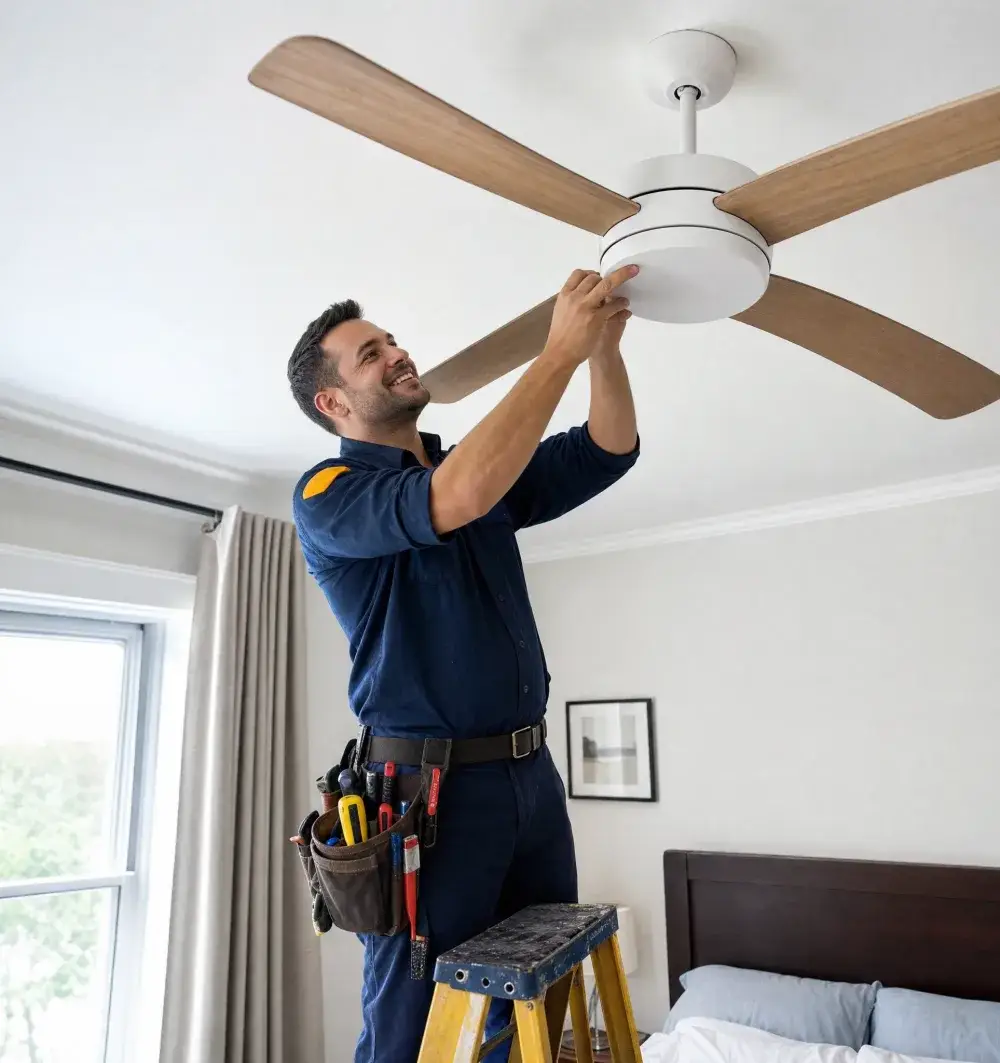
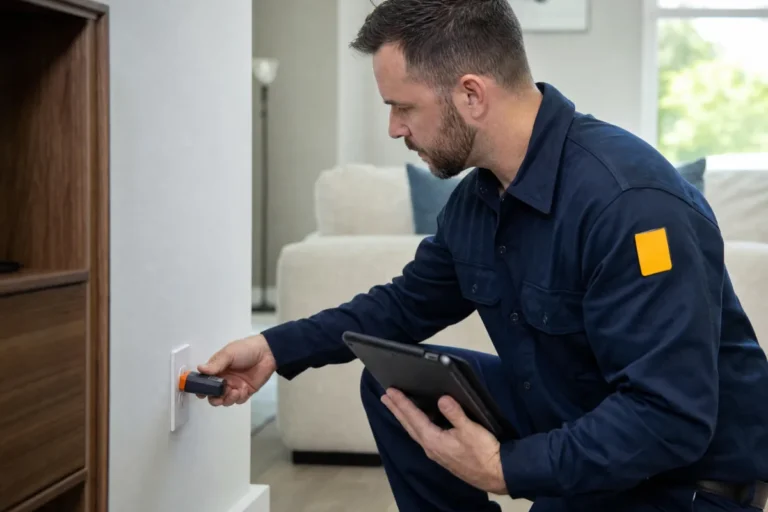
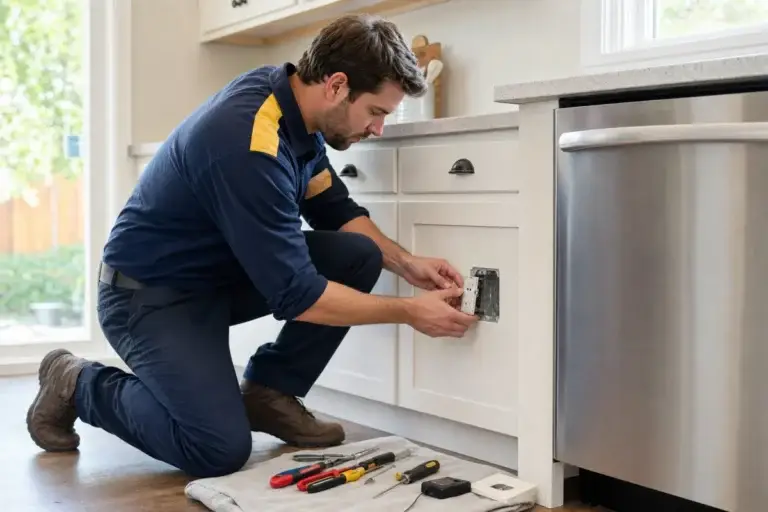
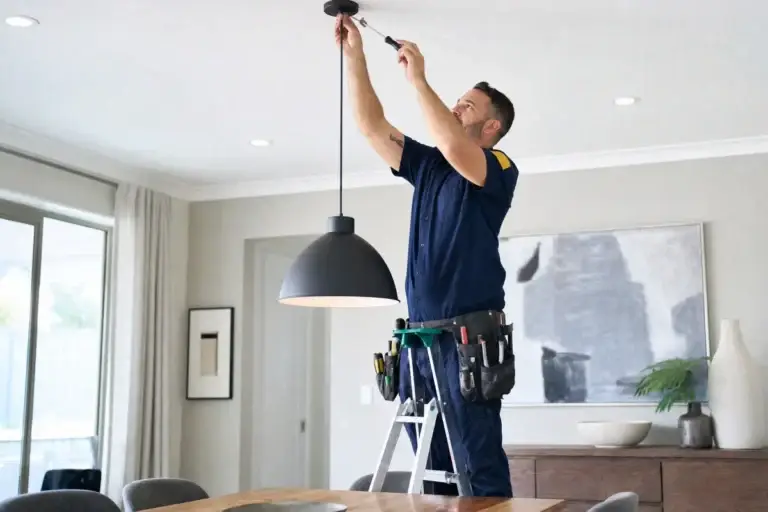
Level 2 home charging from Northgate Electric, installed on a dedicated circuit with the panel checked, the permit pulled and the inspection handled.
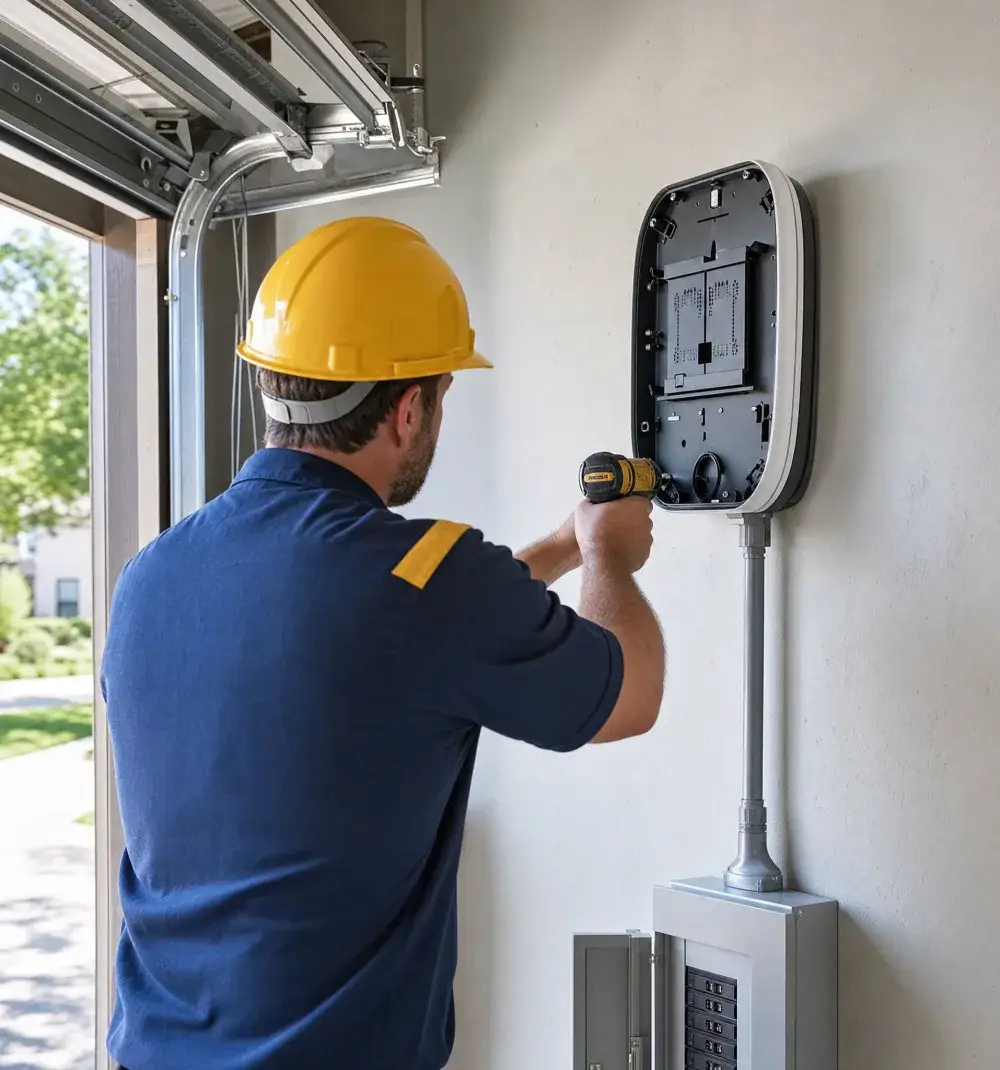
Charging an electric car at home should be the easy part of owning one. Plug in when you get home, wake up to a full battery, and forget about public chargers. A standard wall outlet can technically do the job, but at a few miles of range per hour it rarely keeps up with a real commute. A Level 2 charger adds 25 to 40 miles of range for every hour it runs, which is why most Denver EV owners install one within months of buying the car. The charger itself is a simple box on the wall. The real work is the circuit behind it. A Level 2 unit draws a heavy, continuous load for hours at a time, and that load has to come from a panel with the capacity and the space to carry it safely. Northgate Electric installs chargers across the Denver metro every week, and every one starts with that question.
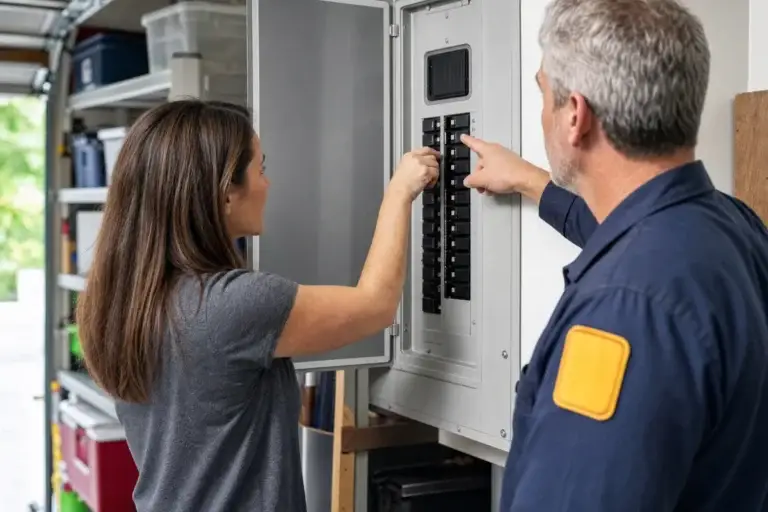
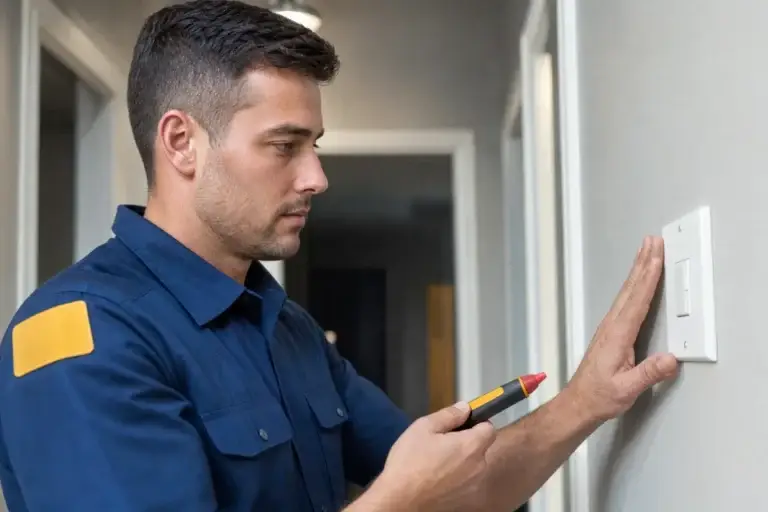
Before anything is ordered, we look at the equipment the charger will depend on. A short visit tells us whether the install is simple or needs extra work:
Those answers decide the price, so we get them before we quote. A garage that shares a wall with the panel is a short, straightforward run. A detached garage or a parking pad on the far side of the house can mean a buried feeder or a small subpanel. If the panel is already close to its limit, a load management device or a panel upgrade may be needed first, and you hear about that on day one instead of halfway through the job. Hardwired chargers usually allow a higher charging rate and look tidier on the wall, while a NEMA 14-50 outlet lets you use a portable charger you can take with you when you move. We explain the tradeoff for your car and your home, and recommend the setup that makes sense rather than the most expensive one.
A Level 2 charger is a new dedicated circuit, and in Denver that means a permit and an inspection. We pull the permit, schedule the inspector and attend the inspection, so the work is on record and your insurer, your HOA and a future buyer all see a properly documented install. Placement matters more than most people expect. The charger should sit where the cable reaches the charge port without stretching across the garage floor, at a height that is comfortable to use, and away from spots where a car door or a bike rack will knock it. We walk the space with you and mark the location before any wire is pulled. Timing is the other question everyone asks. Most home installs take a single day once the permit is issued. Longer runs through finished space, trenching to a detached garage, or a panel upgrade add time, and we give you a realistic schedule up front. If your car is arriving soon, book the assessment early. Getting the circuit in before delivery day means you never have to rely on a slow wall outlet, and any licensed electrician in Littleton, CO or elsewhere in the metro should be able to give you that timeline before you commit.
Once the charger is live, we make sure you know how to get the most out of it. Most chargers and cars let you schedule charging, and time-of-use utility plans make overnight charging cheaper, so we set the schedule with you before we leave. We show you how to check the charger status, what the indicator lights mean, and what to do if a session stops unexpectedly. A good install is quiet and uneventful. The breaker should never trip during a normal session, the plug and cable should never feel hot, and the charger should stay online. If any of that changes, it is worth a call, because heat at the connection or repeated trips point to a problem with the circuit, not the car. If you add a second EV later, two chargers can often share one circuit with load sharing rather than adding another full circuit. And when you replace the car, the charger stays useful, because nearly every new EV can use the same Level 2 connector or a simple adapter.
Lights that flicker grab your attention fast. You try the switch again and…
Light switches look simple, but a switch that quits can mean there is a…
Every outlet and switch in the house leads back to the panel. When…
Smart home upgrades appeal to people because they save time and cut down…
Many homeowners reach out for an inspection because their breaker trips when…
When a major appliance shuts off in the middle of running or trips…
Ceiling fans make a room comfortable without running the air conditioning as…
Smoke alarms save lives, and they only work when the sensors inside them…
Electric vehicles have moved from a rare sight to something you see on…
Smart doorbells add convenience and peace of mind. You can see who is…
An electrician can spot what the untrained eye cannot see. There may be…
Homeowners do a lot of research before committing to a remodel or new…
Switches, breakers, and outlets handle power day in and day out. Outlets…
From storms to grid shifts, surges arrive without warning and can damage…
Power outages hit harder in Colorado than in many places. A fast change…
A room with thoughtful lighting is clear, usable, and enjoyable to work in…
Upgrading the lighting in a commercial space sounds simple at first. In…
Colorado evenings are best on a deck with lighting that lets you…
With the right lighting, a yard that disappears at night becomes a place…
Many EV installs start with a look at the panel and end with an upgrade. Older Denver homes often run on 100 amp service that was sized long before electric cars, heat pumps and induction ranges. When the load calculation shows there is not enough room, a properly sized panel gives the charger a safe home and leaves space for whatever you add next. Doing the panel and the charger together means one permit and one visit…
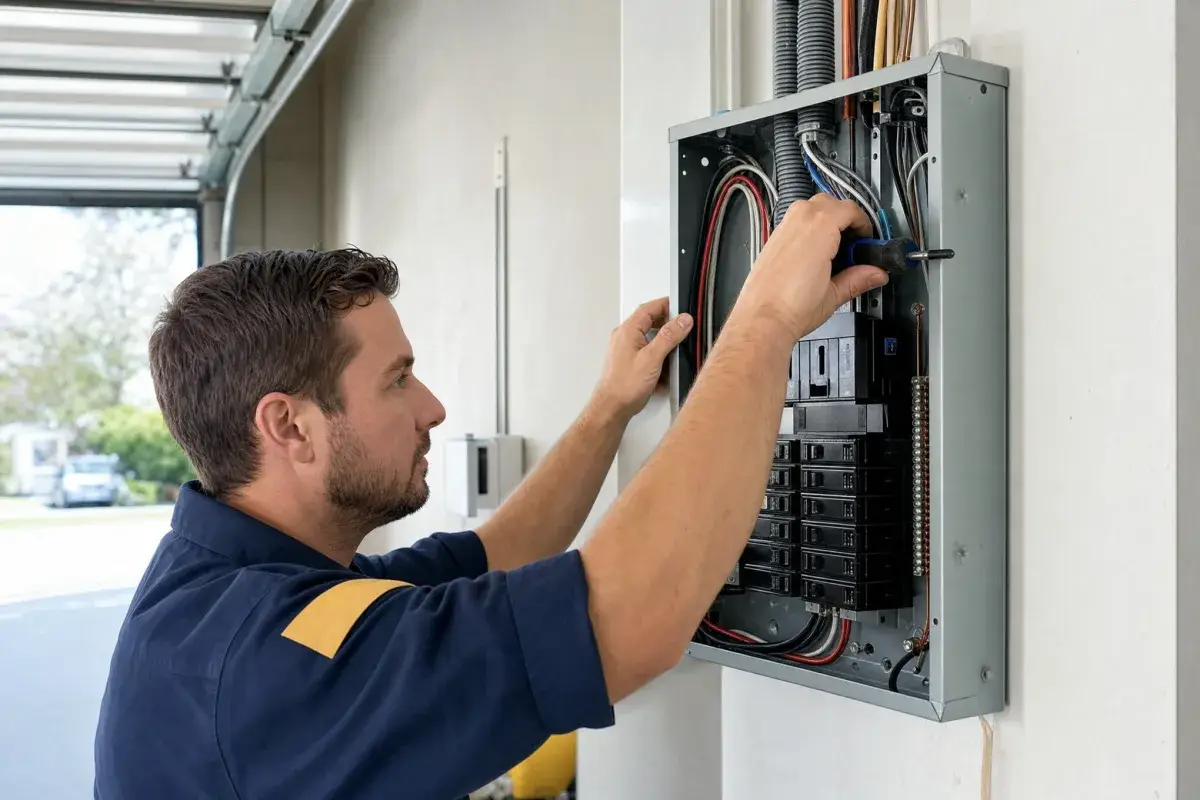
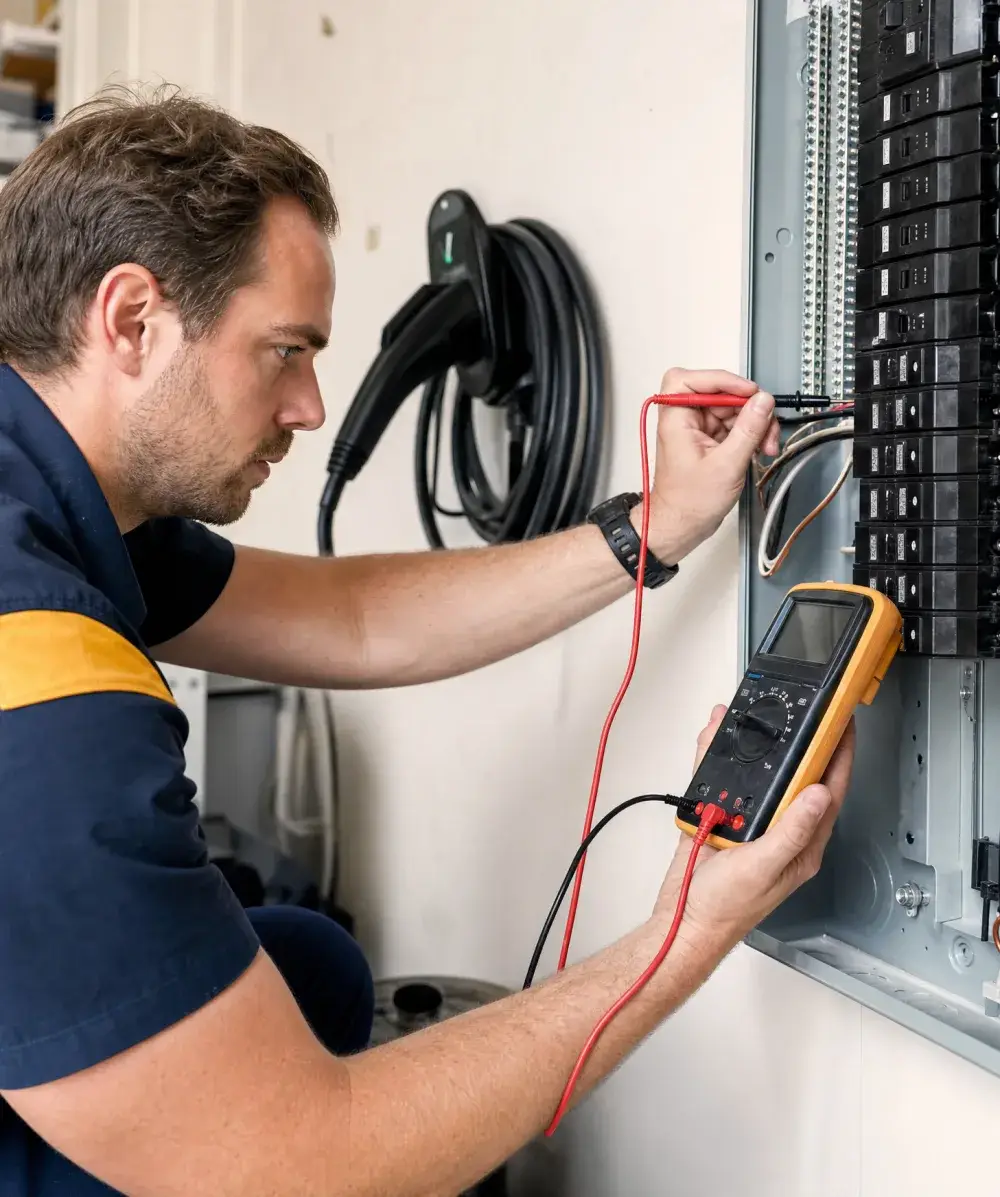
If you drive electric, or you are about to, a home charger is the single most useful upgrade you can make to your garage. It turns charging into something you never think about, it charges the battery at a steady, controlled rate, and it removes the temptation to run a portable charger off an extension cord, which is a real fire risk under hours of continuous load.
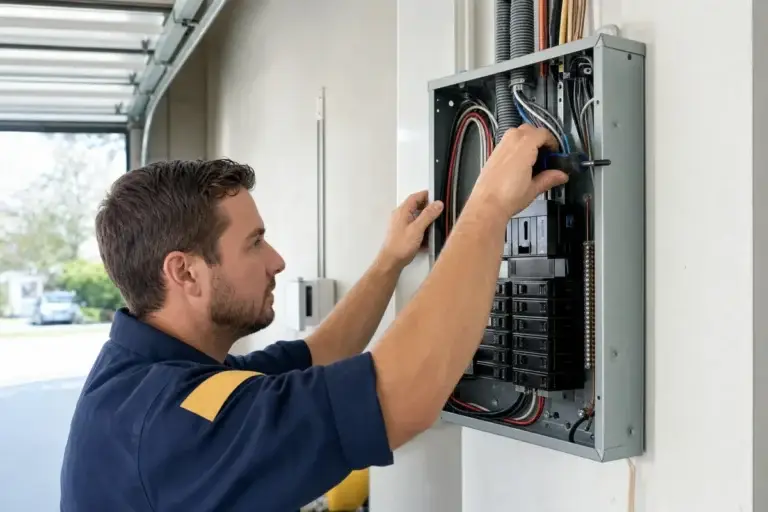
Installing a charger is not a weekend project. The circuit carries serious current for long periods, so the wire size, the breaker, the connections and the grounding all have to be right. A loose termination that would go unnoticed on a lamp circuit can overheat on a charger circuit. That is why the permit and inspection matter, and why most charger manufacturers expect a licensed electrician to install their units. Northgate Electric handles the whole process, from the load calculation and the permit to mounting, wiring, testing and setting up your charging schedule. Call today to book your charger assessment.
You get a written price before any work begins, and every install is backed by our workmanship warranty. Tell us which car you drive, where you park and which charger you have in mind, and we will tell you exactly what it takes. Call (720) 555-0142 to book your assessment, or request a quote online.
Get $50 off electrical repairs of $500 or more. Limit one per customer. Not valid with other offers.
Get $100 off electrical panel replacement. Limit one per customer. Not valid with other offers.
Get $45 off EV charger installation. Limit one per customer. Not valid with other offers.
Get 10% off your electrical service needs. Maximum discount $100. Limit one per customer.
Straight answers to the questions Denver drivers ask us most about home EV charging.
Most are one day. If the panel is full, or the run is long and goes through finished space, it can stretch to two.
Yes. A new dedicated circuit requires a permit and an inspection. We handle both.
Hardwired supports a higher continuous charging rate and looks cleaner. A 14-50 outlet lets you take a portable unit with you. For one car and one house, hardwired is usually the better install.
Sometimes. A Level 2 charger is a 40 to 48 amp continuous load, which is a lot to add to an older 100 amp panel. We run the load calculation before we quote.
Yes, though it means a buried or overhead feeder and often a small subpanel. It is a bigger job and we price it honestly.
Most straightforward installs in the Denver metro run $650 to $1,900. The distance from the panel to your parking spot is the biggest factor, followed by whether the wiring goes through finished walls and whether your panel has capacity. You get a written price after we see the space.
Yes. We install every major brand, including chargers supplied by a dealer or bought online. Tell us the model when you book so we bring the right breaker and wire.