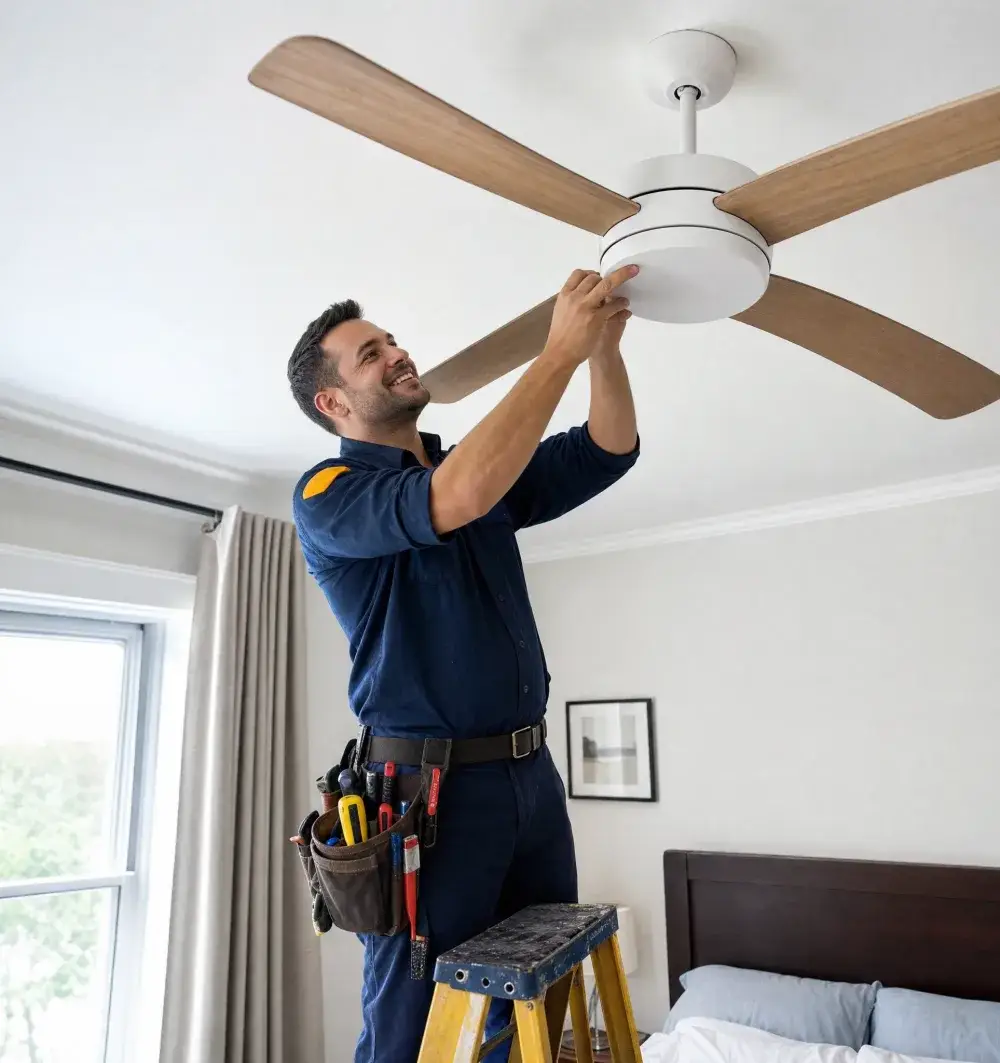
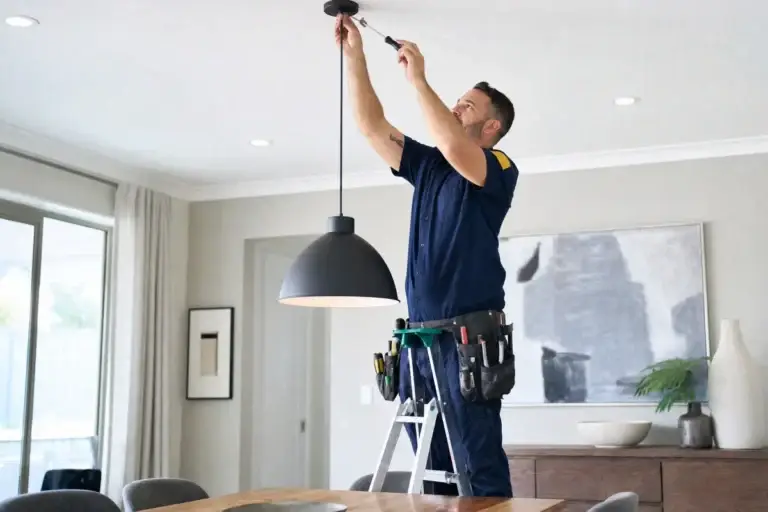
Hardwired smoke and carbon monoxide alarms replaced, interconnected and tested by Northgate Electric, so every alarm in your home sounds together when one detects trouble.
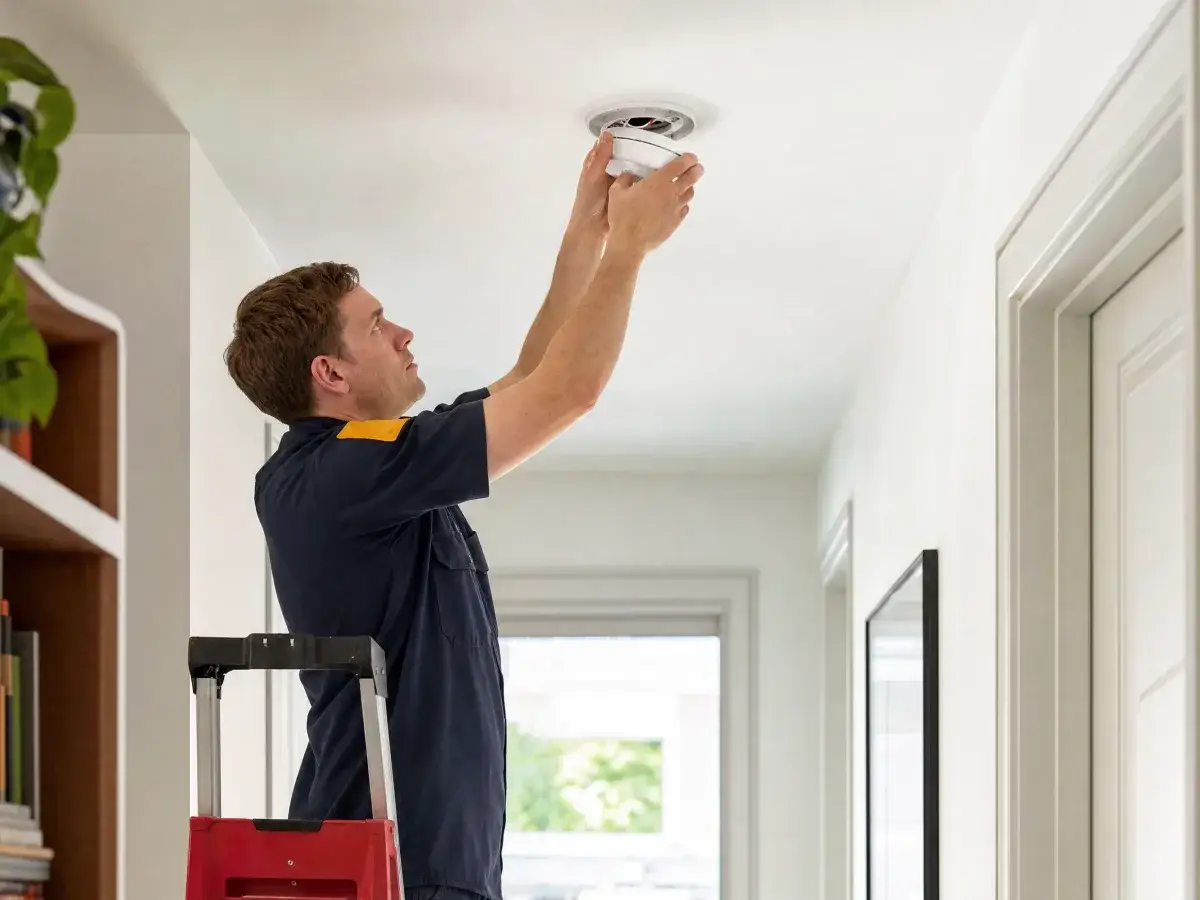
A smoke alarm is one of the least expensive pieces of safety equipment in your home and one of the easiest to forget. It sits on the ceiling for years, chirps at 3 a.m. when the battery runs low, and quietly loses sensitivity as its sensor ages. The National Fire Protection Association and alarm manufacturers call for replacing smoke alarms 10 years after the date of manufacture, and plenty of homes across the Denver metro still have units well past that mark. Hardwired alarms add a layer of protection that a battery model does not have. They run on a household circuit, carry a battery backup for outages, and connect to each other through an extra interconnect wire, so smoke in the basement sets off the alarm outside your bedroom too. That interconnection only works when the new units are compatible with the existing wiring and with each other, which is exactly where many do-it-yourself swaps go wrong. Northgate Electric replaces hardwired smoke and carbon monoxide alarms throughout the metro, confirms that every unit on the circuit triggers the others, and checks that the placement makes sense for the way your home is laid out today, not just the way it was built.
An alarm can look perfectly fine and still be past its useful life. It is time to replace yours if you notice any of these:
Nuisance alarms are more than an annoyance. When an alarm near the kitchen or a bathroom keeps going off for no reason, people pull the battery or take it down, and a disabled alarm protects no one. The fix is usually the right sensor in the right spot. Photoelectric alarms respond well to slow, smoldering fires and are less prone to false alarms from cooking, so they are the better choice near a kitchen, and moving an alarm a few feet away from a bathroom door often ends steam trips for good. Mixed brands are the other common problem. Interconnect signals are not universal, so an alarm from one manufacturer may not trigger a unit from another even when the wires are connected. We match or replace the set so the system works as one. If the ceiling boxes show signs of old or damaged cable, we can also look at the wiring that feeds them while we are there.
Current residential code calls for a smoke alarm inside every bedroom, one outside each sleeping area in the hallway that serves the bedrooms, and at least one on every level of the home, including the basement. In new construction and in many remodels, those alarms must be hardwired, interconnected and backed up by a battery. Carbon monoxide alarms are the second half of the job. Colorado law calls for a carbon monoxide alarm within 15 feet of the entrance to each bedroom in homes with a fuel-burning appliance, a fireplace or an attached garage, and it applies at sale, in new construction and in permitted remodels. Most homes in the metro check at least one of those boxes. Combination smoke and carbon monoxide alarms cover both needs in a single unit, which keeps the ceiling tidy and cuts down on batteries. Placement details matter as much as the count. An alarm tucked into the corner where a wall meets the ceiling, or mounted right beside a ceiling fan or a supply vent, can be slow to sense smoke, while one just outside the kitchen will sound every time dinner runs hot. We walk each floor, note what you have and what is missing, and give you a clear plan before we start. In homes from Aurora to the western suburbs, we regularly find a lower level that was finished without an alarm of its own, and that is an easy gap to close.
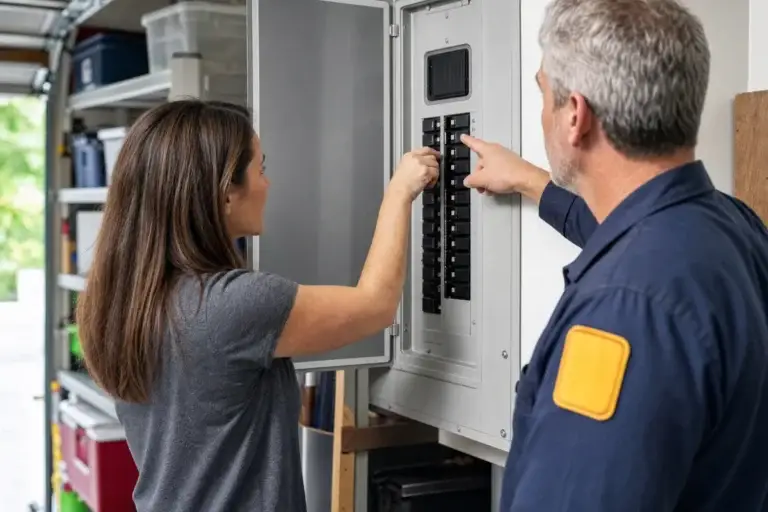
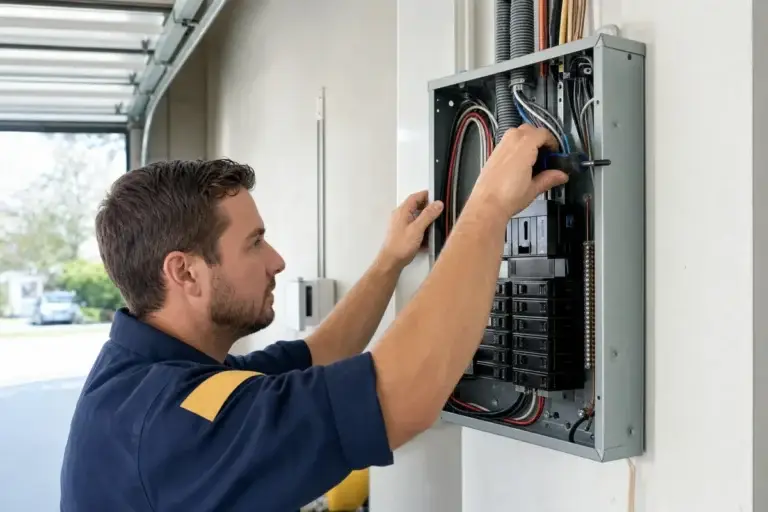
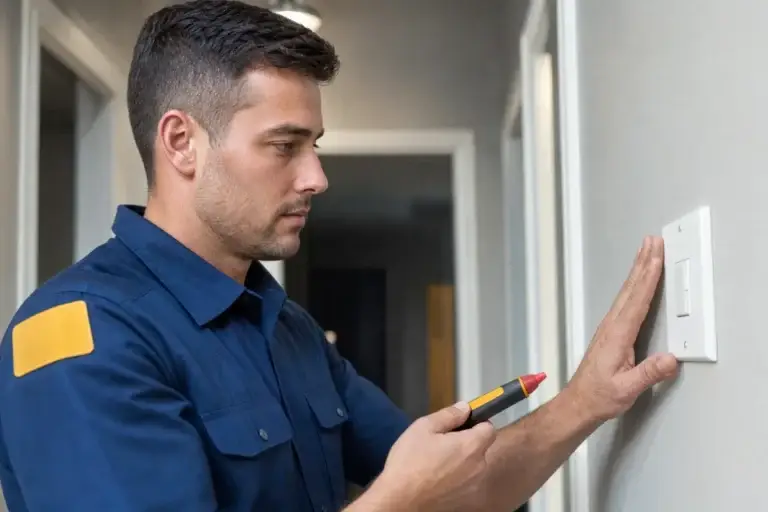
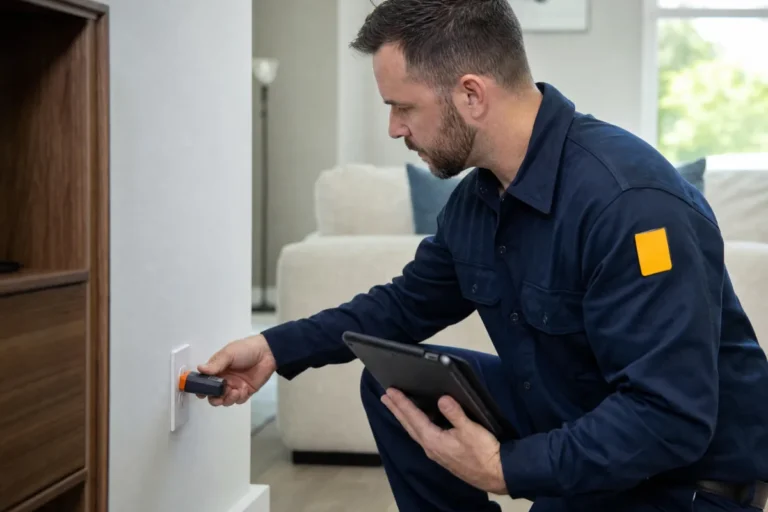
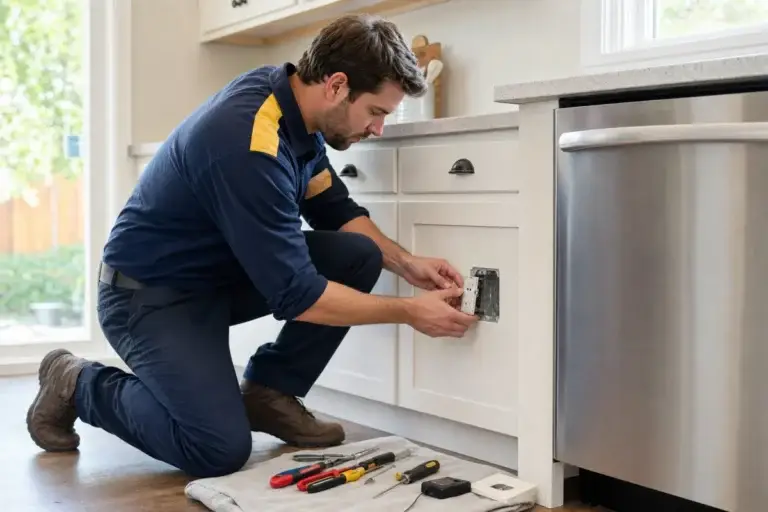
Most visits start at the panel. We shut off the circuit that feeds the alarms, confirm it is dead with a tester, and take down each old unit. Many hardwired alarms plug into a wiring harness on the ceiling, and those harnesses are brand specific, so a new alarm from a different maker needs a new harness connected to the house wires. We make those connections inside the box, check that the neutral and the interconnect wire are secure, and mount the new base plate. If a ceiling box is loose or cracked, or the old alarm was wired without a box at all, we correct that before the new alarm goes up. Once every unit is in place, we restore power and test the whole system from one alarm, then from another, so you can hear every floor respond. We press the test button on each combination unit, write the install date where you can see it, and show you how to hush a nuisance alarm without pulling the battery. You end the visit with a matched, working set and a clear date for the next replacement, and the old alarms leave with us.
Lights that flicker grab your attention fast. You try the switch again and…
Light switches look simple, but a switch that quits can mean there is a…
Many homeowners reach out for an inspection because their breaker trips when…
Smart home upgrades appeal to people because they save time and cut down…
When a major appliance shuts off in the middle of running or trips…
Ceiling fans make a room comfortable without running the air conditioning as…
Smoke alarms save lives, and they only work when the sensors inside them…
Electric vehicles have moved from a rare sight to something you see on…
Smart doorbells add convenience and peace of mind. You can see who is…
Every outlet and switch in the house leads back to the panel. When…
An electrician can spot what the untrained eye cannot see. There may be…
Homeowners do a lot of research before committing to a remodel or new…
Switches, breakers, and outlets handle power day in and day out. Outlets…
From storms to grid shifts, surges arrive without warning and can damage…
Power outages hit harder in Colorado than in many places. A fast change…
A room with thoughtful lighting is clear, usable, and enjoyable to work in…
Upgrading the lighting in a commercial space sounds simple at first. In…
Colorado evenings are best on a deck with lighting that lets you…
With the right lighting, a yard that disappears at night becomes a place…
Old smoke alarms are often a clue that the rest of the electrical system has not been looked at in a while. An electrical inspection covers the panel, the grounding, GFCI and AFCI protection, visible wiring and the condition of outlets and switches throughout the house. You get a written report that separates urgent hazards from items that can wait, which is useful before buying or selling a home, finishing a basement, or after years of small changes by past owners…


If any of those describe your home, replacing every alarm in one visit is usually smarter than swapping units one at a time as they fail. Alarms installed together age together, so they reach the end of their service life on the same schedule and you only need to remember one date. A matched set also means one brand, one interconnect signal and one type of backup battery to buy. It avoids the slow drift where a house ends up with five alarms of four different ages and nobody can tell which one is chirping.
A whole-home upgrade is also the right moment to rethink coverage. Bedrooms that were added later, a converted office where a guest now sleeps, and a lower level that became a family room all change where alarms should be. Where hardwiring a new location would mean opening finished ceilings, many brands offer alarms with a wireless interconnect that can link to the hardwired set, so every unit still sounds together without drywall work. Adding new hardwired locations can require a permit, and we tell you before we start whether yours does. We finish with a full test, label the install date, and leave you a simple schedule for monthly testing and battery checks. Call today to plan your alarm upgrade.
Smoke and carbon monoxide alarms only prove their worth on the one night something goes wrong, and that is the worst possible time to learn one stopped working years ago. If your alarms are near or past 10 years old, chirping after a new battery, or not sounding together, Northgate Electric can replace, interconnect and test the full set in a single visit. Call (720) 555-0142 to book, or send us a message and we will schedule a time that works for you.
Get $50 off electrical repairs of $500 or more. Limit one per customer. Not valid with other offers.
Get $100 off electrical panel replacement. Limit one per customer. Not valid with other offers.
Get $45 off EV charger installation. Limit one per customer. Not valid with other offers.
Get 10% off your electrical service needs. Maximum discount $100. Limit one per customer.
Straight answers to the questions Denver homeowners ask us most about smoke and carbon monoxide alarms.
Every 10 years from the manufacture date printed on the back, even if the test button still works. Carbon monoxide alarms often have a shorter life, commonly somewhere between 5 and 10 years, so check the date on each label.
A chirp that survives a fresh battery usually means the alarm has reached its end-of-life signal, the battery drawer is not fully closed, or a different unit in the set is the one chirping. If the alarm is past its date, replace it rather than troubleshooting it.
Yes, but the new unit needs its own wiring harness, and mixed brands may not trigger each other. We usually replace the full interconnected set with one compatible line so every alarm sounds together.
If your home has a gas furnace, gas water heater, fireplace or attached garage, yes. Colorado requires them near bedrooms in those homes, and combination units cover smoke and carbon monoxide in one device.
At least one on the basement level, on the ceiling near the bottom of the stairs, plus one in any basement bedroom. Keep them away from furnace and dryer vents, where heat and humidity can cause false alarms.
Replacing existing hardwired alarms with new units typically runs about $75 to $175 per alarm, including the alarm itself. Adding new hardwired locations costs more, and your exact price is confirmed in writing after we see the home.
Only briefly. Alarms often share a circuit with bedroom or hallway lights and outlets, so those go dark while we work. We tell you which rooms will be affected before we switch off the breaker.