Step lights, post cap lights, string light circuits and weather-resistant GFCI outlets for Denver decks and patios, wired safely for Colorado sun, snow and freeze cycles.

A deck is an extra room for half the year in Colorado, and most people want to use it well after the sun goes down. Without lighting, that ends at dusk. Without power, it means an extension cord snaking through a cracked-open door to run string lights, a speaker or a patio heater. Deck lighting and outdoor outlets solve both problems, and when they are planned together the result looks built in rather than added on. Step and riser lights make stairs visible at night, which is a real safety improvement for anyone carrying a tray or heading out to the yard after dark. Post cap and rail lights outline the edge of the deck without glare. A hardwired circuit for string lights or pendants over a pergola gives you a switch inside the house instead of a timer dangling from a cord. Outlets along the deck let you plug in a grill rotisserie, a fountain or a laptop without running anything across the boards. Outdoor electrical work lives with rain, snow, strong sun and freeze and thaw cycles, so it needs weather-resistant devices, the right covers and wiring protected for its location. Northgate Electric installs deck lighting and outlets on new and existing decks across the Denver metro.
Before we drill a single hole, we sort out the details that shape the whole project:
Most deck lighting today runs on low voltage. A transformer connected to a GFCI-protected outdoor outlet steps the power down, and the small cable to each fixture can be tucked under rails, run beneath the deck boards and fastened along joists where nobody sees it. Low-voltage LED fixtures use very little power, stay cool and are easy to add to later. Line-voltage fixtures and outlets run at full household voltage, so they need wiring methods rated for outdoor and wet locations, which on a deck usually means cable or conduit secured to the framing and protected wherever it could be damaged. The structure matters too. On a new deck, the easiest time to run wiring is before the decking goes down, so we like to talk with your deck builder during framing. On an existing deck, we plan routes that stay hidden from above, using the underside of the joists and the inside of posts. Composite decking and aluminum rail systems often have their own manufacturer lighting kits, and we work with those systems rather than cutting into components in ways that could affect the warranty.
Outdoor receptacles are held to specific rules in the National Electrical Code, and decks are where we see those rules broken most often. Every outdoor receptacle needs GFCI protection. Receptacles in wet locations must be weather-resistant and have an in-use cover, sometimes called a bubble cover, that keeps water out even while a cord is plugged in. The code also calls for at least one outdoor receptacle at the front and back of a house, and for a receptacle on any deck, balcony or porch that is attached to the home and reachable from inside it. Outlets need to be mounted to solid framing, not hung off a railing, and the boxes and fittings have to be rated for outdoor use. Heavier loads, such as an electric patio heater, an outdoor kitchen or a hot tub, usually need a dedicated circuit, and that means a permit and an inspection. Many older homes have a single outdoor outlet by the back door, often without GFCI protection and behind a flat cover that fills with snowmelt. We replace those, add outlets where they will actually be used, and make sure every one is protected.
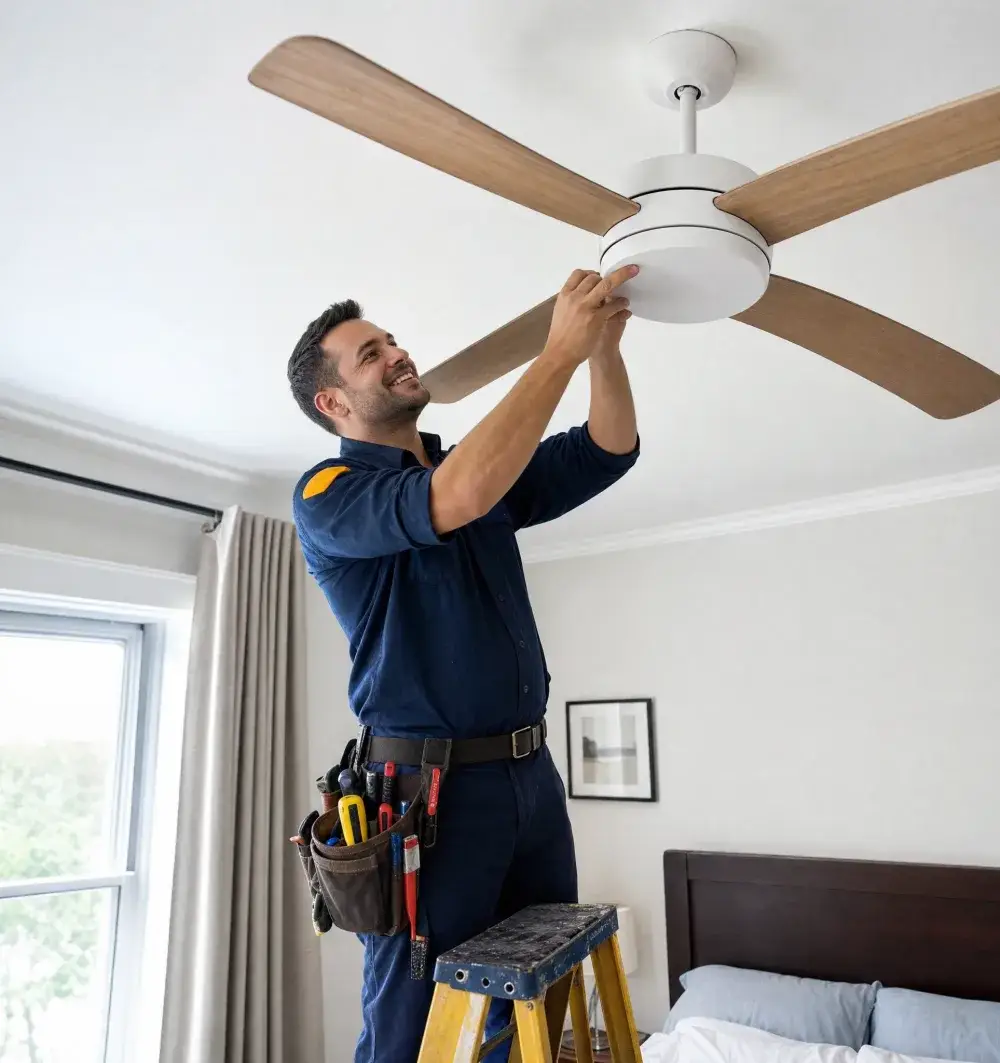
The Front Range is hard on outdoor fixtures. Strong high-altitude sun breaks down cheap plastic lenses and cable jackets, hail can crack exposed fixtures, and repeated freeze and thaw cycles work water into any connection that is not sealed. We use fixtures rated for wet locations, sealed connectors on low-voltage runs, and UV-resistant cable and corrosion-resistant fasteners that will not leave a rust streak down your stain. String lights look best when they hang from a proper support, such as a tensioned steel cable between posts that can handle wind and a load of snow, rather than stapled to the fascia. A switch inside the house, a timer or a photocell keeps the lights on only when you want them. If you are adding a pergola, a covered patio or a ceiling fan over the deck, we plan those circuits at the same time, since a covered area has its own damp location rules for fixtures and fans. Many homeowners in the south metro, from Highlands Ranch to Castle Rock, pair deck lighting with lights along the path to the yard, and we can design both on one plan.
Lights that flicker grab your attention fast. You try the switch again and…
Light switches look simple, but a switch that quits can mean there is a…
With the right lighting, a yard that disappears at night becomes a place…
Smart home upgrades appeal to people because they save time and cut down…
Many homeowners reach out for an inspection because their breaker trips when…
When a major appliance shuts off in the middle of running or trips…
Ceiling fans make a room comfortable without running the air conditioning as…
Smoke alarms save lives, and they only work when the sensors inside them…
Electric vehicles have moved from a rare sight to something you see on…
Smart doorbells add convenience and peace of mind. You can see who is…
Every outlet and switch in the house leads back to the panel. When…
An electrician can spot what the untrained eye cannot see. There may be…
Homeowners do a lot of research before committing to a remodel or new…
Switches, breakers, and outlets handle power day in and day out. Outlets…
From storms to grid shifts, surges arrive without warning and can damage…
Power outages hit harder in Colorado than in many places. A fast change…
A room with thoughtful lighting is clear, usable, and enjoyable to work in…
Upgrading the lighting in a commercial space sounds simple at first. In…
Colorado evenings are best on a deck with lighting that lets you…
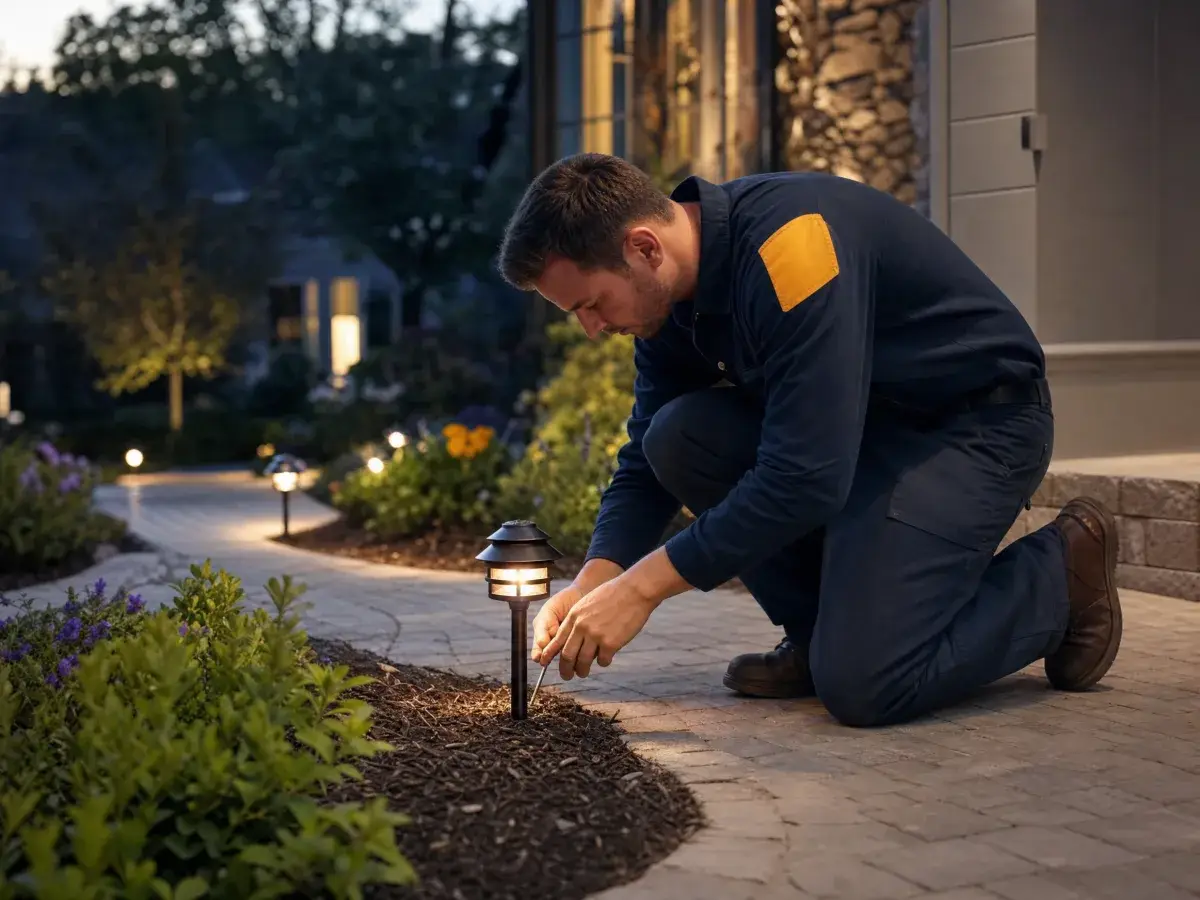
The deck is usually where outdoor lighting starts, not where it ends. Once the stairs and rails are lit, the path to the yard, the garden beds and the trees beyond can look darker by comparison. Landscape lighting extends the same low-voltage approach across the yard, with path lights, uplights and wash lights placed to show off plantings and keep walkways safe, often running from the same transformer and on the same schedule when the layout allows…
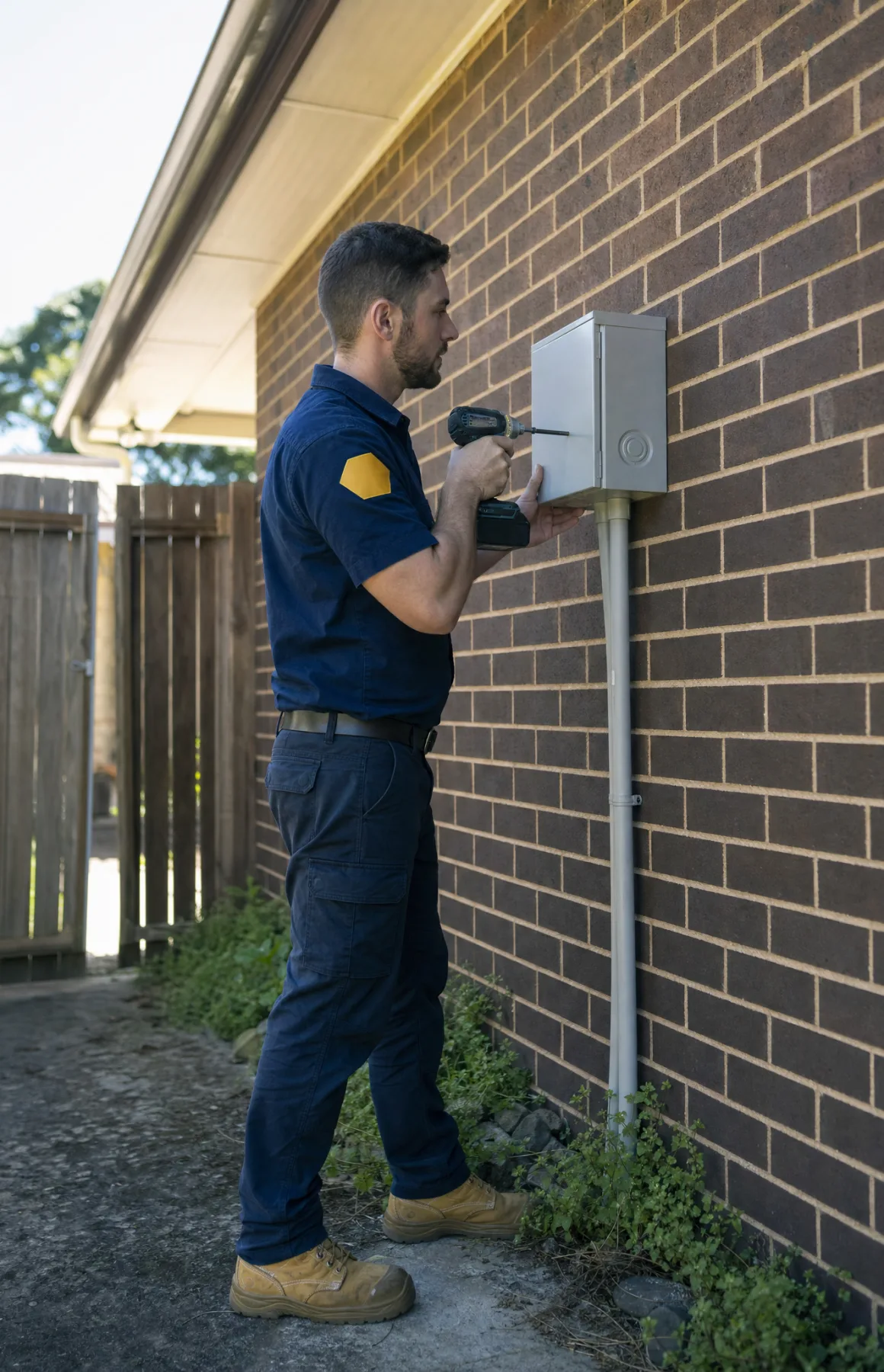
Timing makes a big difference to the cost and the finish of a deck project. When the framing is open, wiring can run through and along the joists in a single afternoon and disappear completely once the boards go down. On a finished deck the same work takes longer, because every cable has to be routed from below or behind trim. If a new deck or a board replacement is coming, bring us in before the builder closes it up, even if you plan to add the fixtures later.
Rough-in is the step most people skip, and it is the one they regret. Running an empty conduit or a spare cable to the far corner of the deck costs little during construction and saves you from surface-mounted wiring later, when you decide you want a heater or a hot tub after all. We lay out outlet and fixture locations with you and your builder, arrange the inspection before the decking goes on when one is required, and return to install and test the fixtures once the deck is finished. You get a written price for both visits up front. Call today to plan your deck lighting.
A well-lit deck with power where you need it gets used far more often, from summer dinners to a quiet hour under a patio heater in the fall. Northgate Electric designs and installs deck lighting and outdoor outlets that look clean, stand up to Colorado weather and meet code. Call (720) 555-0142 to book a visit, or request a quote online.
Get $50 off electrical repairs of $500 or more. Limit one per customer. Not valid with other offers.
Get $100 off electrical panel replacement. Limit one per customer. Not valid with other offers.
Get $45 off EV charger installation. Limit one per customer. Not valid with other offers.
Get 10% off your electrical service needs. Maximum discount $100. Limit one per customer.
Straight answers to the questions Denver homeowners ask us most about deck lighting and outdoor outlets.
Low voltage suits most step, rail and post lights because the fixtures are small, efficient and simple to expand. Line voltage makes sense for brighter fixtures, ceiling fans and outlets. Many decks end up using both.
Yes. Every outdoor receptacle needs GFCI protection, and receptacles exposed to the weather must also be weather-resistant, with an in-use cover that stays closed while something is plugged in.
Yes. We route cable along the underside of the joists and up through posts or behind rail trim so it stays out of sight from above. It takes a little longer than wiring during construction, but the finished result looks nearly the same.
A plug-in low-voltage kit on an existing outdoor outlet usually does not. New outdoor circuits, new line-voltage outlets or fixtures, and circuits for heaters or hot tubs generally do, and we pull the permit whenever it is required.
You can, but they last longer and look better on a tensioned support cable between posts or brackets. We install the supports and put the lights on a switched outlet or circuit, so no cord has to run through a window or door.
Quality fixtures rated for wet locations handle snow well. Hail can crack exposed plastic lenses, which is why we favor metal fixtures and step lights that sit flush with the riser.
A typical package with step and post lights, a transformer and a new GFCI outlet often runs $1,000 to $3,500, depending on the fixture count, access under the deck and whether a new circuit is needed. We confirm the exact price in writing after seeing your deck.