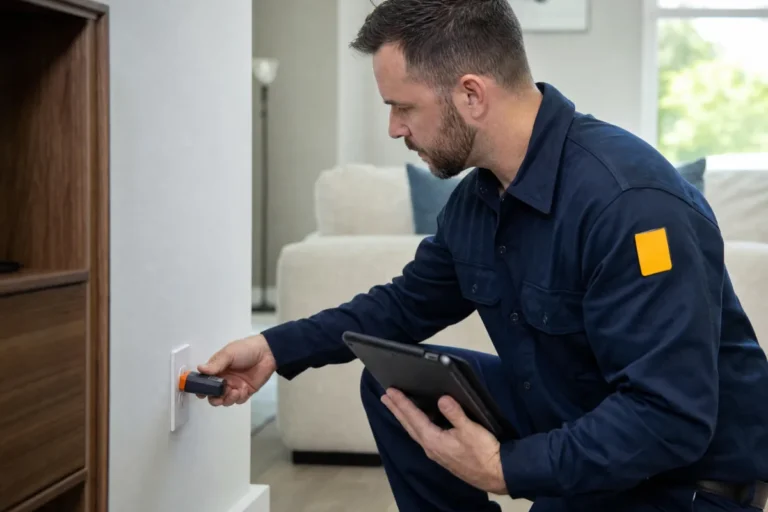
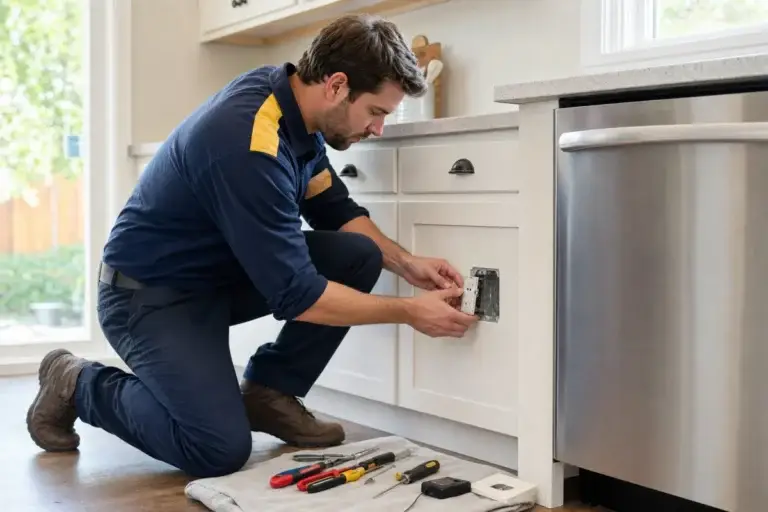
Dead, loose, sparking or warm switches replaced with the right device for the box, from simple toggles to dimmers, three-way controls and smart switches, installed to code.
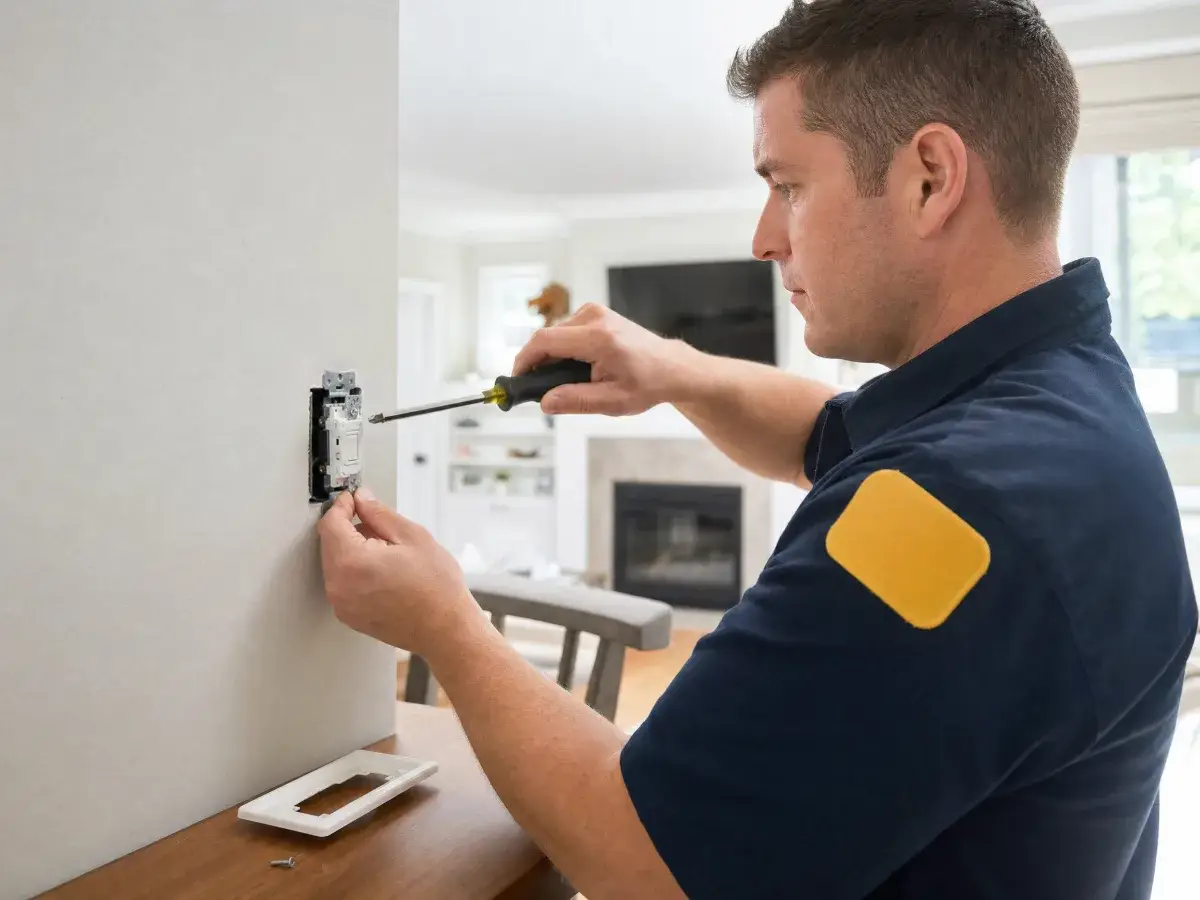
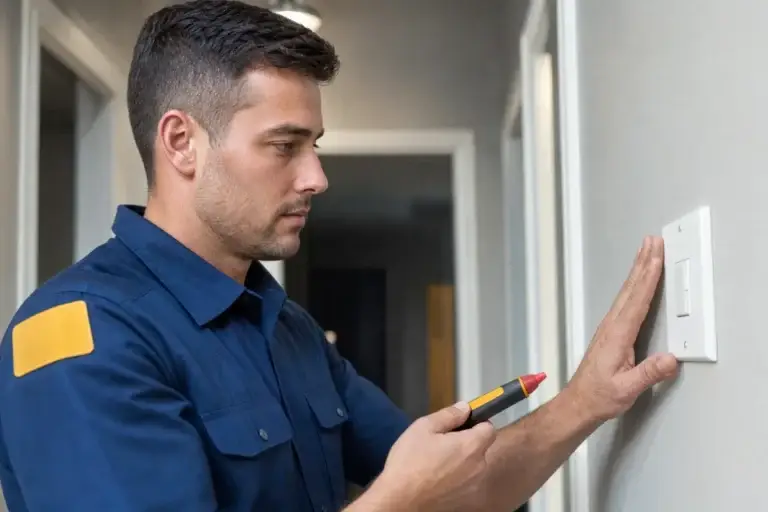
A wall switch gets used more than almost anything else in the house. The one by the back door or at the top of the stairs can be flipped thousands of times a year, and inside that small plastic body a spring and a pair of contacts do the work every time. Eventually the spring weakens, the contacts pit, and the switch starts to feel mushy, click without turning anything on, or work only when you hold it just right. Most people put up with that for months. The trouble is that a worn switch rarely fails cleanly. Pitted contacts create resistance, resistance creates heat, and the heat spreads to the wire terminations and the box behind the plate. Northgate Electric replaces worn switches with quality devices, but we also look at what is behind them: the condition of the wire, how it was connected, whether the box has a ground and a neutral, and whether the circuit is being asked to do too much. That extra minute of looking is what turns a switch swap into a repair that lasts. You get a written price before we start, even on a single switch.
A switch rarely fails all at once, and it usually warns you first in one of these ways:
A dimmer is the one exception to the warm plate rule. Dimmers shed a little heat as part of how they work, so a slightly warm dimmer is normal, especially with several fixtures on it. A standard toggle switch should never feel warm, and no switch should ever feel hot, smell hot or leave marks on the wall. Sparks are the other signal to take seriously. A tiny flash visible through the slot of an old switch can happen as the contacts open, but a pop you can hear, or a spark around the edge of the plate, means the switch or its connection is failing. Stop using it, turn off the breaker for that circuit if you can reach it safely, and have it replaced. Switches that shift in the wall when you press them are a related problem, because every push flexes the wire connections behind the plate until one of them works loose. A switch is inexpensive. The wall behind it is not.
Replacing a switch is a good moment to decide what you actually want from it. A like-for-like toggle is the simplest option. A decorator rocker gives a cleaner look. A dimmer lets you set the mood in a dining room or bedroom, provided it is rated for the LED bulbs in the fixture. Occupancy and vacancy sensors turn lights off in laundry rooms, closets and garages when nobody is there, and timer switches are ideal for bathroom exhaust fans that should keep running for a while after a shower. Lighted switches help on dark stairways and in hallways at night. Smart switches let you control lights from your phone, a voice assistant or a schedule, but most of them need a neutral wire in the switch box, and many older homes were wired without one at switch locations. We check before you buy, so you are not stuck with a device the box cannot support. Three-way and four-way switches, which control one light from two or more places, are the other common puzzle. When one of them fails, or someone has mixed up the traveler wires during a past repair, the lights only work in certain combinations. We trace the circuit and wire it so every switch works the way it should.
Switch boxes in older Denver homes hold a few surprises. Many have no ground wire, which matters because current code expects switches to be grounded and only permits a replacement in an ungrounded box under specific conditions, such as a nonmetallic, noncombustible cover plate or ground fault protection on the circuit. Some homes built in the late 1960s and early 1970s have aluminum branch wiring, and a switch on aluminum must be a device rated for it, marked CO/ALR, or the connection has to be made with a connector listed for joining aluminum to copper. A standard switch on aluminum wire is a known overheating hazard. Cloth insulated wire that has gone brittle inside the box is another one we see often. It can crack when the switch is pulled forward, so we handle it carefully and, where the insulation is already failing, recommend the right repair rather than folding it back into the wall. Replacing a switch on an existing circuit is usually a simple service call, while adding a new switch location or a new circuit may need a permit, which we handle through the local building department.
Lights that flicker grab your attention fast. You try the switch again and…
Light switches look simple, but a switch that quits can mean there is a…
Switches, breakers, and outlets handle power day in and day out. Outlets…
Smart home upgrades appeal to people because they save time and cut down…
Many homeowners reach out for an inspection because their breaker trips when…
When a major appliance shuts off in the middle of running or trips…
Ceiling fans make a room comfortable without running the air conditioning as…
Smoke alarms save lives, and they only work when the sensors inside them…
Electric vehicles have moved from a rare sight to something you see on…
Smart doorbells add convenience and peace of mind. You can see who is…
Every outlet and switch in the house leads back to the panel. When…
An electrician can spot what the untrained eye cannot see. There may be…
Homeowners do a lot of research before committing to a remodel or new…
From storms to grid shifts, surges arrive without warning and can damage…
Power outages hit harder in Colorado than in many places. A fast change…
A room with thoughtful lighting is clear, usable, and enjoyable to work in…
Upgrading the lighting in a commercial space sounds simple at first. In…
Colorado evenings are best on a deck with lighting that lets you…
With the right lighting, a yard that disappears at night becomes a place…
The same wear that ruins a switch shows up in outlets, often in the same rooms. An outlet that no longer grips a plug, feels warm, or has a cracked face is a connection problem waiting to get worse. When we are already replacing switches, checking and upgrading nearby outlets takes very little extra time. We install tamper resistant receptacles, add GFCI protection where the code calls for it, and correct ungrounded three-prong outlets properly…


In almost every one of those cases, replacement beats repair. Switches are sealed devices, so there is nothing inside to fix, and a new quality switch costs little compared with the labor to reach it. What can be repaired is everything around the switch: a loose backstab connection, a nicked conductor, a box that is set too deep or has pulled loose from the stud, or a missing cover that leaves live terminals exposed. That is where most of our time goes on a switch call, and it is the part a quick swap usually skips.
If you are replacing several switches, it is worth doing them together. Matching styles and colors throughout a floor looks deliberate, and we can check every box and connection in one visit instead of returning each time a different switch fails. It is also the easiest time to plan upgrades like dimmers in living spaces, sensors in utility rooms and smart home controls where they make sense. We do this work across the south metro every week, so if you need a licensed electrician in Centennial, CO or anywhere nearby, the pricing and the process are the same. Call today to schedule your switch replacement.
A switch should do one thing reliably, every time, without heat, noise or guesswork. Northgate Electric replaces worn and failing switches, checks the wiring behind them and installs the controls that suit each room. Call (720) 555-0142 to book a visit, or request a quote online and we will be in touch the same day.
Get $50 off electrical repairs of $500 or more. Limit one per customer. Not valid with other offers.
Get $100 off electrical panel replacement. Limit one per customer. Not valid with other offers.
Get $45 off EV charger installation. Limit one per customer. Not valid with other offers.
Get 10% off your electrical service needs. Maximum discount $100. Limit one per customer.
Straight answers to the questions Denver homeowners ask us most about light switches.
A slightly warm dimmer is normal, because dimmers release some heat as they work. It should never be too hot to keep your hand on, smell hot or discolor the plate. A standard toggle switch should not feel warm at all.
Most smart switches need a neutral wire in the switch box to stay powered, and many older homes have only the hot and switched wires there. We check your boxes first and either recommend a model that works without a neutral or run one where it is practical.
Usually the wires were connected to the wrong terminals during an earlier replacement, or one of the two switches has failed. We trace both ends and correct the wiring so either switch controls the light from any position.
It can. Worn contacts and loose terminal connections produce heat, and that heat can damage wire insulation and nearby materials. Buzzing, heat, scorch marks or a burning smell mean the circuit should be turned off at the breaker until the switch is replaced.
A standard switch replacement on an existing circuit typically runs $100 to $250 for the first switch, with additional switches in the same visit costing less. Dimmers, smart switches and wiring corrections add to that. You get a firm written price after we look at the boxes.
Yes. Aluminum branch wiring needs switches marked CO/ALR, or short copper pigtails joined with connectors listed for aluminum to copper. A standard switch connected directly to aluminum wire can overheat at the terminals.
Yes. We can add a switch for an existing light, add three-way control at the other end of a hallway or staircase, or wire a new fixture with its own switch. A new switch location may need a permit, and we take care of it.