Lights that flicker, dim or pulse usually point to a loose connection, a mismatched dimmer or a strained circuit. Northgate Electric finds the cause and fixes it properly.
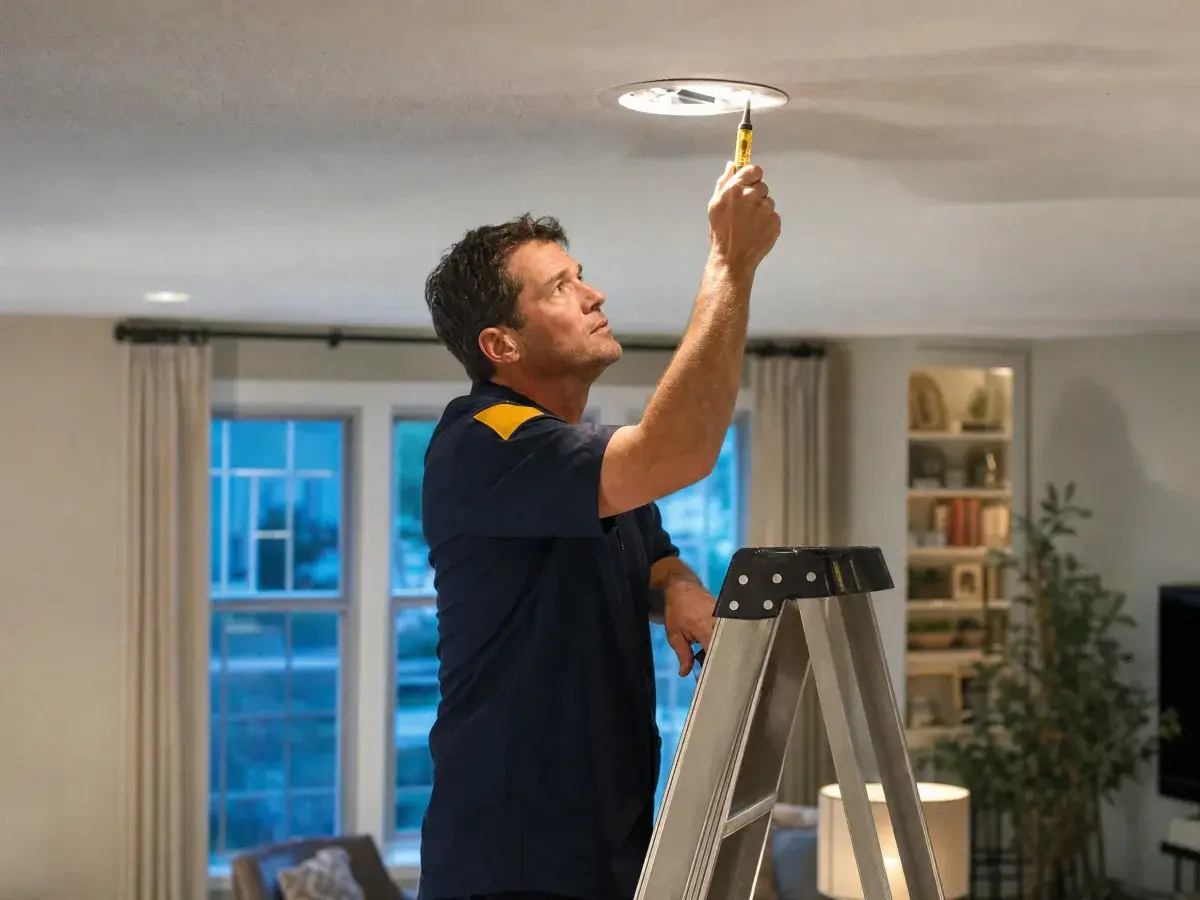
A flickering light is easy to live with and easy to ignore. Most people swap the bulb, watch it settle down for a week, and move on when it starts again. Sometimes the bulb really is the whole story. More often the flicker is a symptom of something upstream: a connection working loose inside a fixture box, an LED bulb fighting an old dimmer, or a circuit that sags every time the furnace blower or the microwave kicks on. The difference matters, because a loose connection does not stay the same. Each time it heats and cools it loosens a little more, and the resistance at that spot turns into heat you cannot see from the room. Flickering in one lamp and flickering across the whole house are very different problems, and the first question we ask is which one you have. Northgate Electric treats flickering as a diagnostic job first. We test the fixture, the switch, the circuit and, when the pattern points that way, the panel and the service connection, so the repair fixes the cause instead of the bulb. You get a clear explanation of what we found and a written price before any repair begins.
The pattern of the flicker narrows down the cause quickly, and some patterns deserve a call the same week:
Those last two sit at opposite ends of the risk scale. A dimmer mismatch is a nuisance, and a very common one. Many dimmers installed in the incandescent era expect a heavier load than a few LED bulbs draw, so the light strobes or drops out at the low end of the slide. The fix is a dimmer rated for LED loads and bulbs marked as dimmable, not a different brand of bulb every month. Heat, buzzing or a smell is the other end. It means current is crossing a bad connection somewhere, often a wire pushed into a backstab terminal decades ago, and that deserves attention right away. Lights getting brighter in one room while they dim in another is the most urgent pattern of all, because it can mean a failing neutral connection at the panel or where the service enters the house. That condition can send well over normal voltage to some outlets and damage electronics, so unplug sensitive equipment and call.
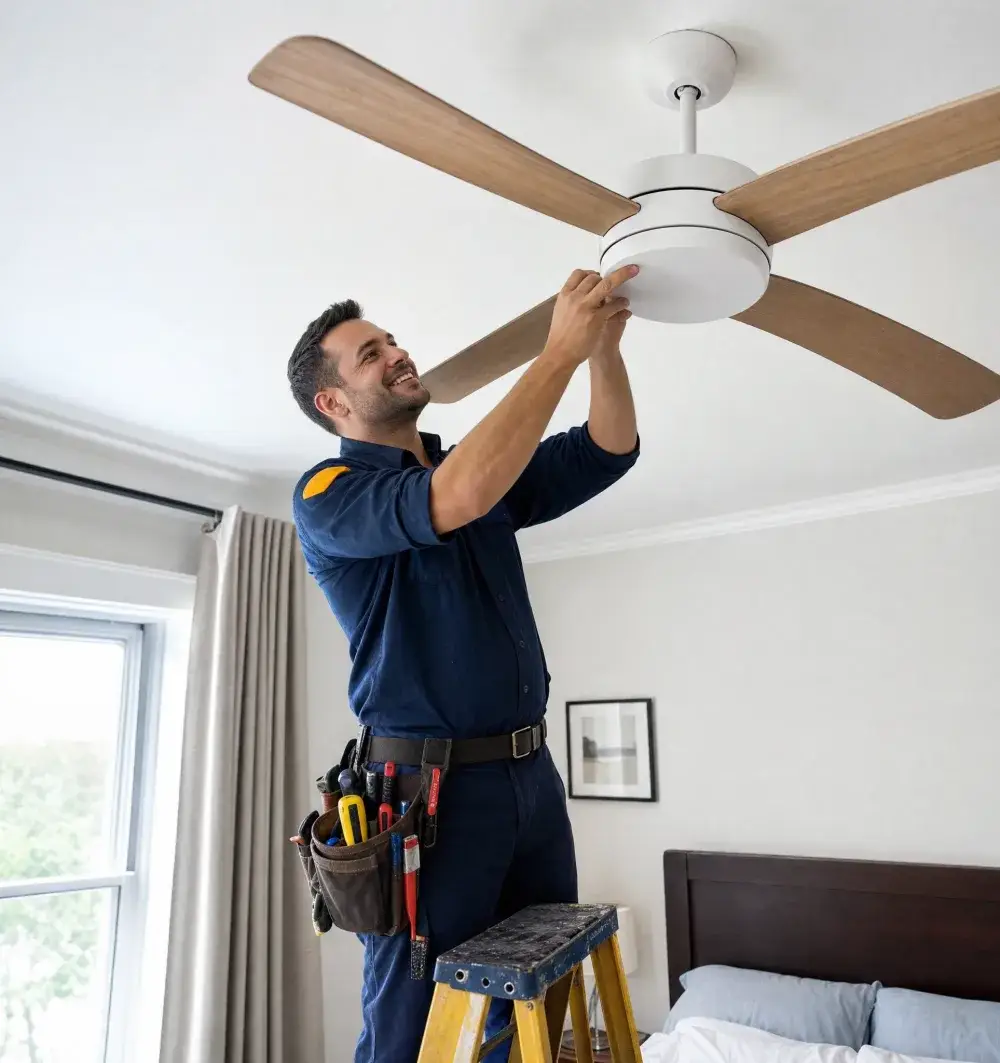
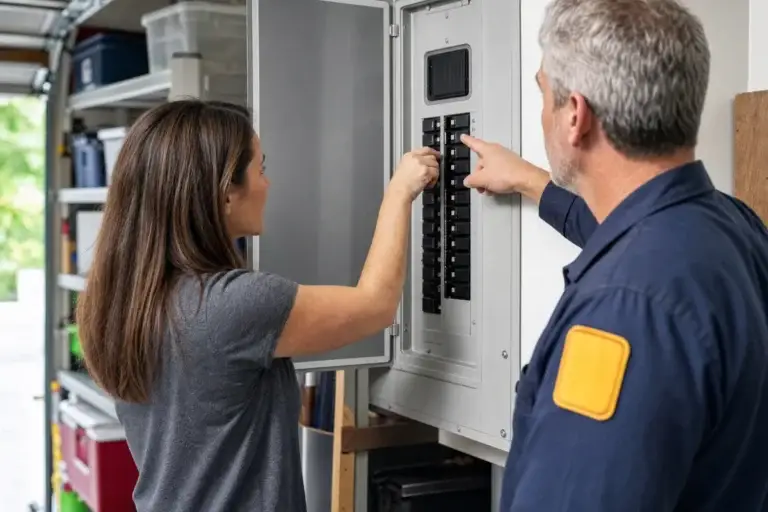
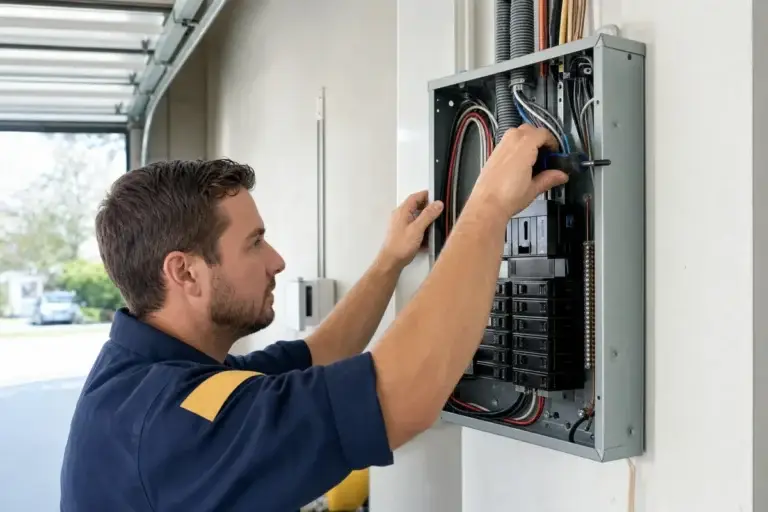
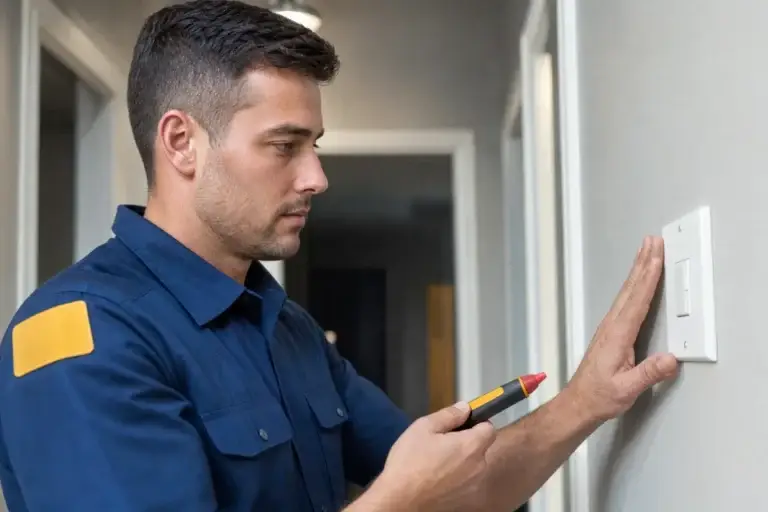
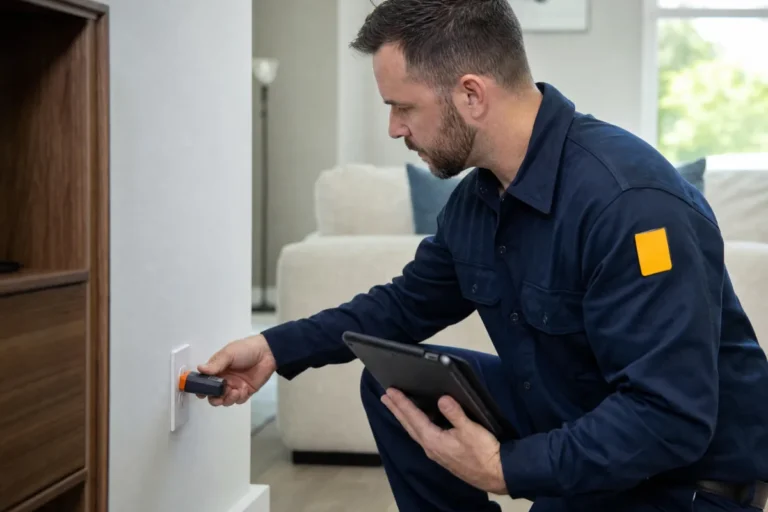
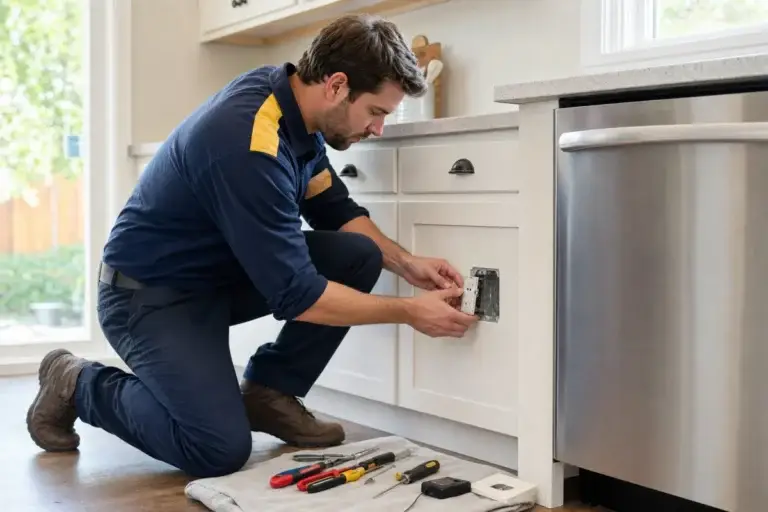
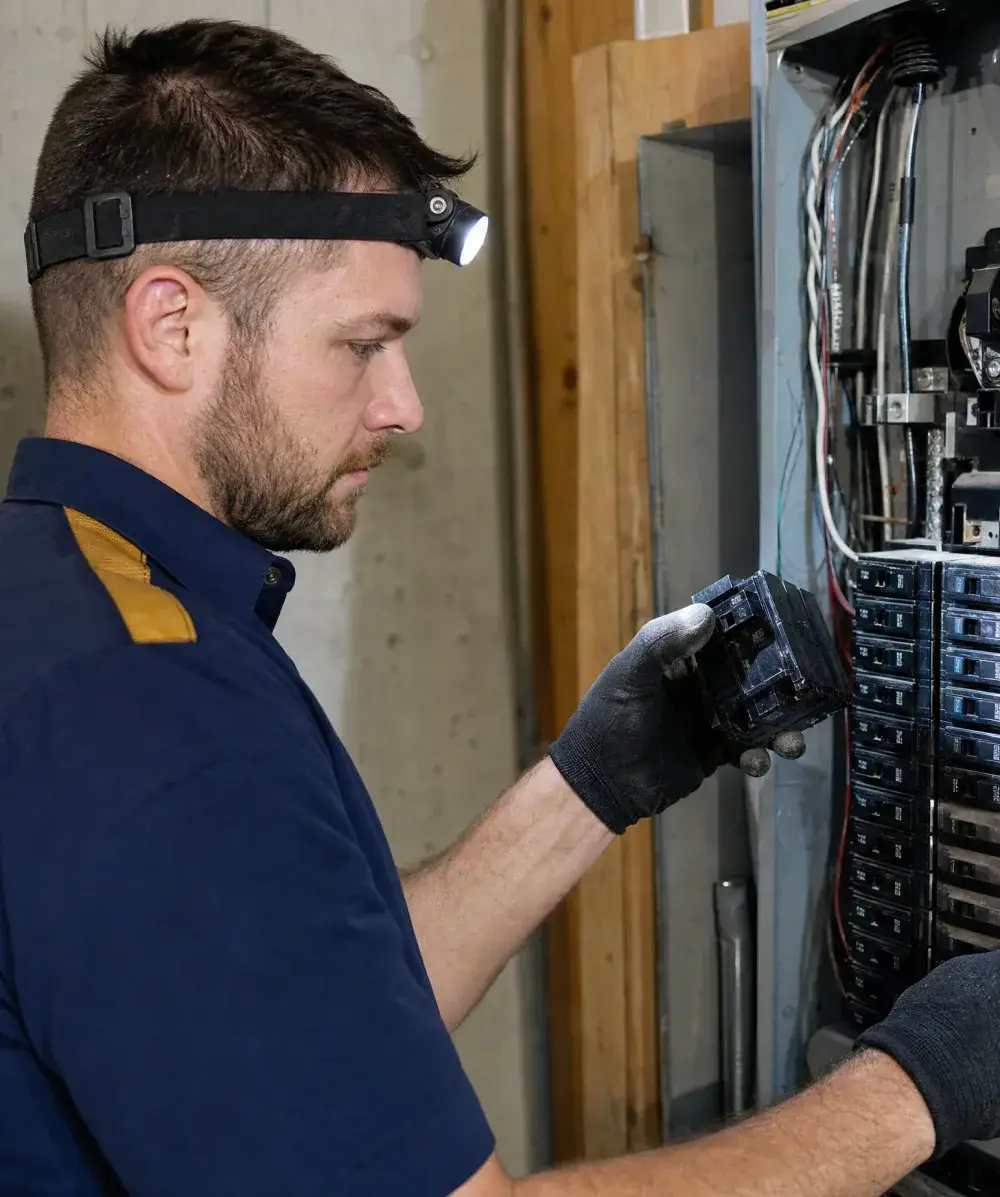
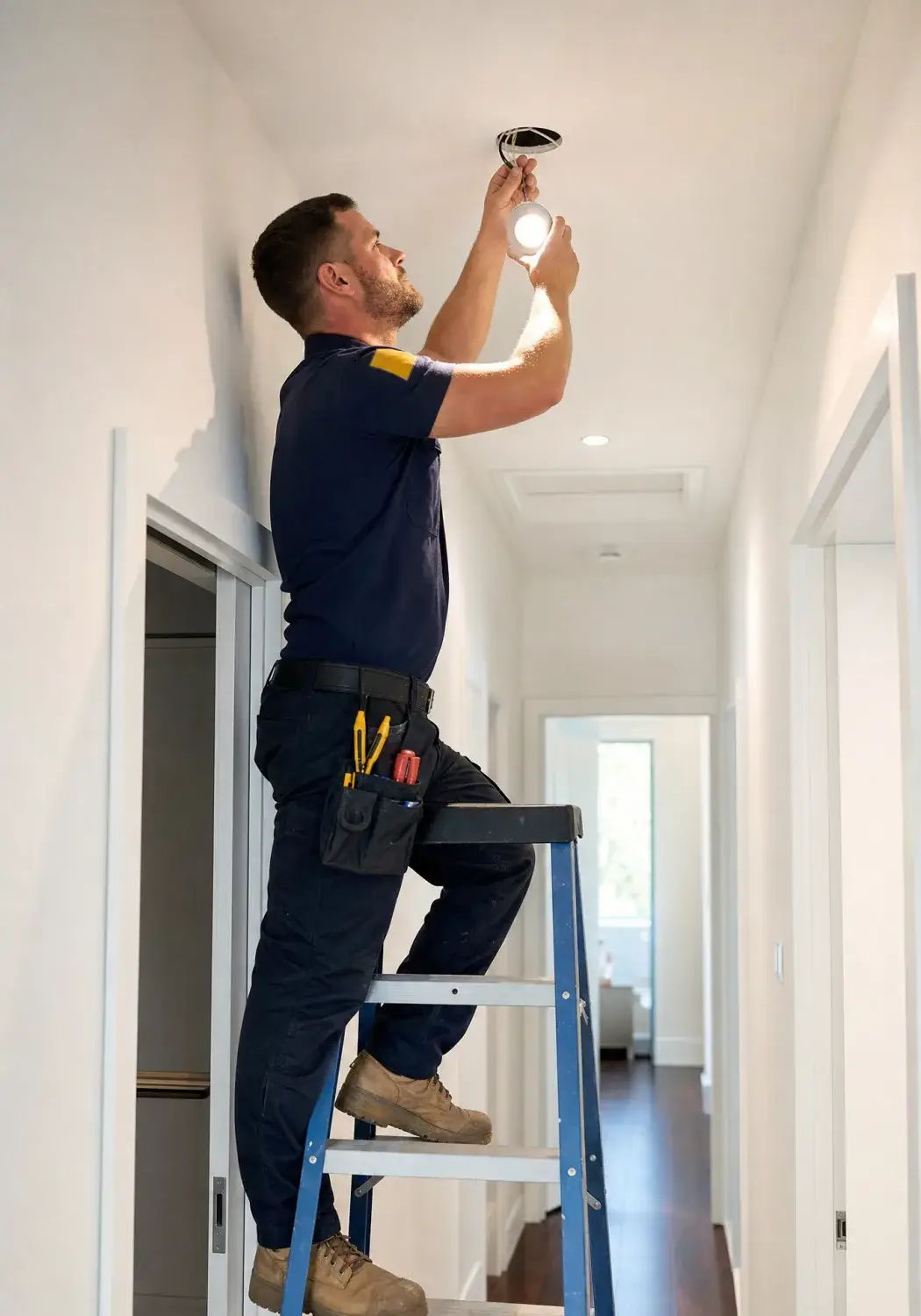
Guessing at a flicker is how homeowners end up replacing three fixtures and a switch without fixing anything. We start with questions: which lights, which rooms, what time of day, and what else is running when it happens. Then we test. A voltage reading at the fixture while a heavy load starts on the same circuit shows whether the circuit is sagging more than it should. Opening the switch box and the fixture box shows whether the connections are tight, whether the conductors are discolored from heat, and whether the splices were made properly in the first place. If several circuits misbehave together, the problem is usually something they share, so we move to the panel and check the neutral and ground terminations, the breaker connections and the main lugs. Sometimes the trail leads outside to the meter base or the overhead service drop. Where that connection belongs to your utility, we show you what we measured and help you get the right crew out. Everything we find on your side gets repaired to code, whether that means new connectors and pigtails, a replacement switch or dimmer, a corrected splice or a new breaker.
In most houses a flicker repair is a contained job: one box, one device, one visit. In some older homes it is the first visible sign that the wiring as a whole needs a closer look. Houses built with aluminum branch wiring in the late 1960s and early 1970s are prone to connections that loosen and overheat at switches, outlets and fixtures, and flickering is one of the early clues. Those connections can usually be made safe with connectors listed for joining aluminum to copper, without rewiring the house. Homes with cloth insulated cable, or with lighting circuits that previous owners extended again and again, can show the same symptoms for different reasons. If we see a pattern like that, we tell you plainly and separate what needs fixing now from what can be planned. We also check whether lights share a circuit with appliances that draw far more than the circuit was designed for, because moving a single heavy appliance to its own circuit often ends a stubborn flicker for good. You decide the scope, with the facts in front of you.
Lights that flicker grab your attention fast. You try the switch again and…
Light switches look simple, but a switch that quits can mean there is a…
An electrician can spot what the untrained eye cannot see. There may be…
Smart home upgrades appeal to people because they save time and cut down…
Many homeowners reach out for an inspection because their breaker trips when…
When a major appliance shuts off in the middle of running or trips…
Ceiling fans make a room comfortable without running the air conditioning as…
Smoke alarms save lives, and they only work when the sensors inside them…
Electric vehicles have moved from a rare sight to something you see on…
Smart doorbells add convenience and peace of mind. You can see who is…
Every outlet and switch in the house leads back to the panel. When…
Homeowners do a lot of research before committing to a remodel or new…
Switches, breakers, and outlets handle power day in and day out. Outlets…
From storms to grid shifts, surges arrive without warning and can damage…
Power outages hit harder in Colorado than in many places. A fast change…
A room with thoughtful lighting is clear, usable, and enjoyable to work in…
Upgrading the lighting in a commercial space sounds simple at first. In…
Colorado evenings are best on a deck with lighting that lets you…
With the right lighting, a yard that disappears at night becomes a place…
Not every flicker can wait for a scheduled visit. When lights surge brighter and dimmer across the house, a switch plate feels hot, or the flicker comes with a burning smell, the right call is an emergency one. Our electricians answer around the clock, help you shut off the affected circuit safely over the phone, and arrive ready to trace the fault to its source and make a code compliant repair, with a written price before the permanent fix…
If one of those sounds familiar, the flicker is not going away on its own. A brief dip when a big motor starts can be normal, especially on a long circuit, but it should be small and it should not change over time. A flicker that is getting more frequent, a light that responds to vibration, or dimming that spreads to other rooms all point to a connection that is loosening. Those problems get worse with use, and the repair is almost always simpler and less expensive when it is caught early, before heat has damaged the wire.
Flickering also comes up during remodels and home sales, when a buyer’s inspector notes it and nobody knows where to start. We can test the affected circuits, repair the connections and give you a written summary of the work for the sale file. If a circuit needs to be extended or rerouted along the way, we handle the permit and the inspection with the local building department. The process is the same across the metro, so whether you live in central Denver or need a licensed electrician in Englewood, CO, you get the same testing, the same written pricing and the same workmanship warranty. Call today to have your lights tested.
A light that flickers is asking for attention, and the fix is usually small when it is handled early. Northgate Electric tests the circuit, finds the real cause, repairs it to code and explains what failed in plain language. Call (720) 555-0142 to book a visit, or send us the details online and we will get back to you the same day.
Get $50 off electrical repairs of $500 or more. Limit one per customer. Not valid with other offers.
Get $100 off electrical panel replacement. Limit one per customer. Not valid with other offers.
Get $45 off EV charger installation. Limit one per customer. Not valid with other offers.
Get 10% off your electrical service needs. Maximum discount $100. Limit one per customer.
Straight answers to the questions Denver homeowners ask us most about flickering lights.
Most older dimmers were designed for incandescent bulbs and expect a heavier load than LEDs draw, so at low settings they cannot hold the light steady. A dimmer rated for LED loads, paired with bulbs labeled dimmable, usually ends the problem.
A single flickering bulb usually is not. Flickering that comes with heat, buzzing or a burning smell, or that happens in several rooms at once, can point to a loose connection producing heat, and that should be checked promptly.
Large motors draw a short surge of current as they start. A small, brief dip can be normal. A deep dip, or one that lingers, suggests an overloaded circuit, a loose connection or a service problem that is worth testing.
Yes. If the fault is in the service drop or other utility equipment, we show you the readings and help you contact your utility. Anything on your side of that connection, from the meter base to the last fixture, we can repair.
Vibration is moving a loose connection. It may be the socket, the fixture wiring or a splice in the ceiling box. It is usually a quick fix once found, but it should not be left alone, because a connection that moves can arc.
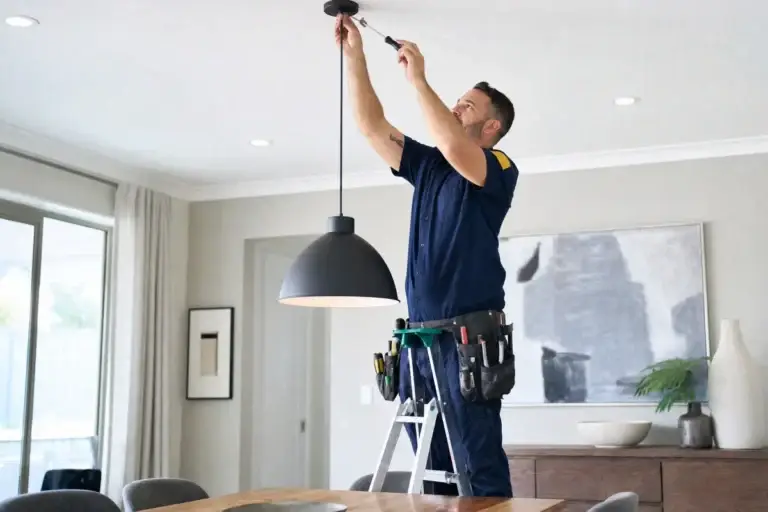
Only if the fixture is the problem. If the loose connection is in the switch box, a splice or the panel, a brand new fixture flickers just like the old one. Testing first keeps you from paying for parts that were never the cause.
Brief flickers during high wind or lightning often come from the utility lines and are not a fault in your home. Frequent flickering on calm days, or lights that brighten in some rooms while dimming in others, is not normal and needs same-day attention.