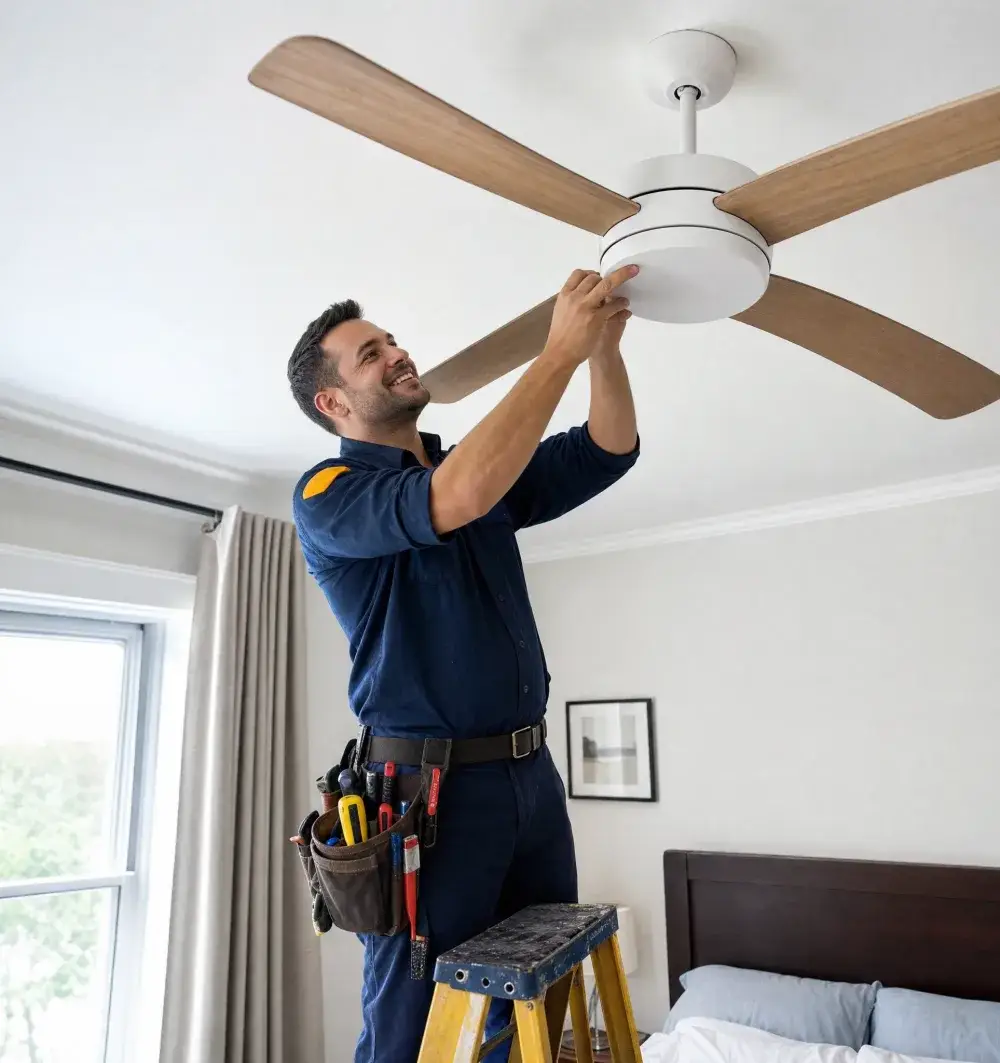
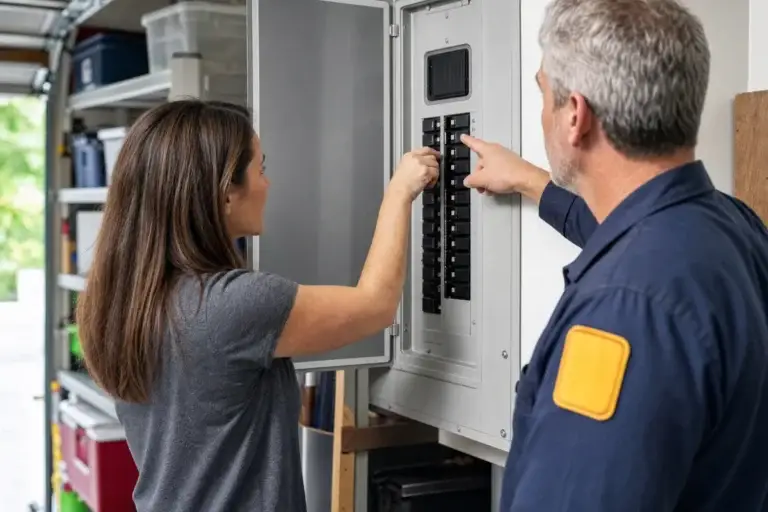
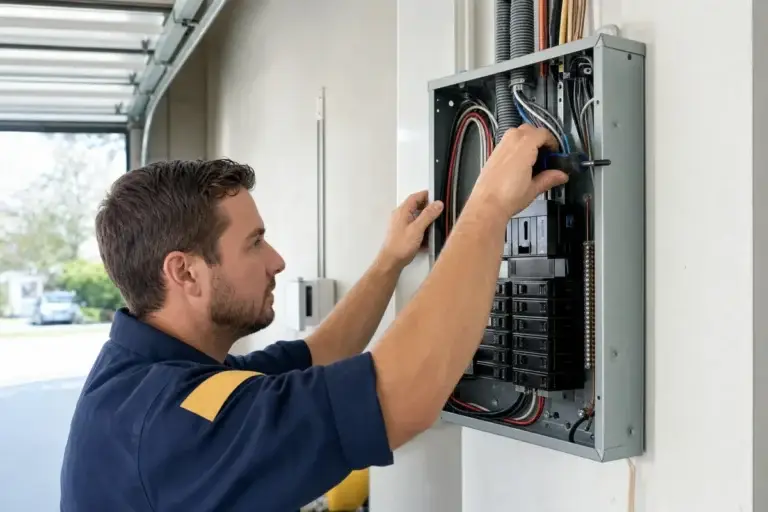
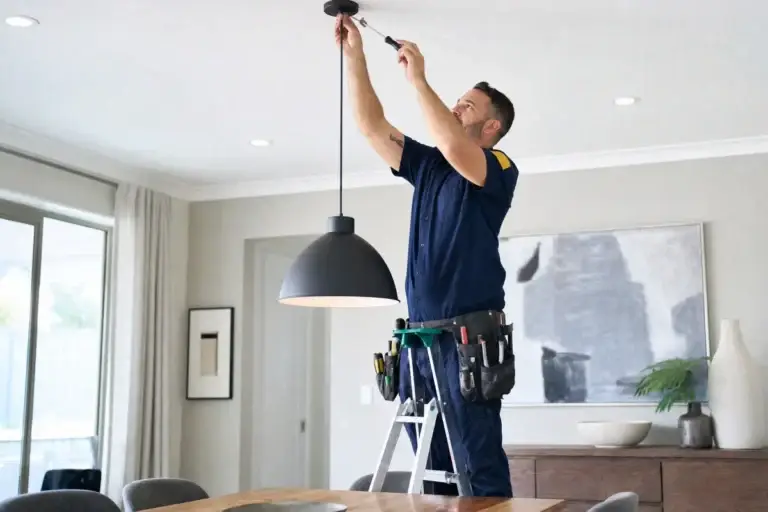
Whole-house surge protectors installed at your panel by Northgate Electric, with grounding checked and point-of-use protection added where your electronics need it most.
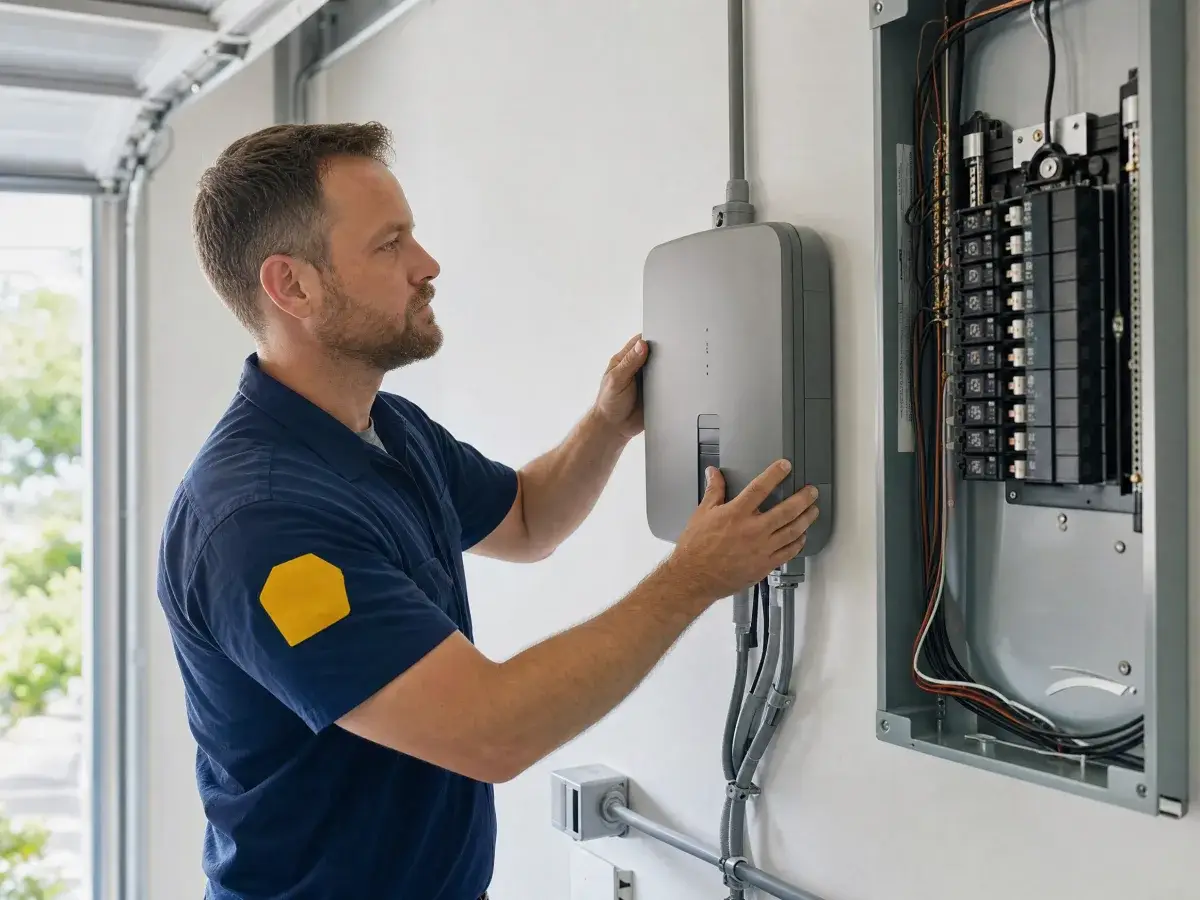
A power surge is a brief spike in voltage, over in a fraction of a second, and it can do real damage in that time. The dramatic ones come from lightning striking near a power line or from utility switching after a storm. The quiet ones happen every day inside your own house, when air conditioners, furnace blowers, refrigerators and other motors cycle on and off. Those small, repeated spikes rarely destroy anything outright. Instead they wear down the electronics inside the equipment you rely on, which is one reason a furnace control board, a garage door opener or a smart TV can fail years early with no obvious cause. Modern homes have more of those circuit boards than ever, in the range, the washer, the thermostat, the EV charger and even the lighting. A whole-house surge protector mounted at the panel is the first line of defense. It diverts excess voltage to ground before it spreads through your branch circuits, and it protects hardwired equipment that a plug-in strip can never cover. Northgate Electric installs whole-house surge protection across the Denver metro, checks the grounding the device depends on, and helps you decide where extra point-of-use protection makes sense.
Surge damage rarely leaves a scorch mark, so it is easy to miss. A whole-house surge protector is worth a serious look if you have noticed any of these:
A power strip can look fine for years after its protection is gone. Plug-in surge protectors use components that absorb energy until they wear out, and many keep passing power long after they stop protecting anything, so an old strip may be doing nothing more than adding outlets. Expensive new equipment is the other reason to act. Heat pumps, induction ranges and EV chargers are built around sensitive electronics, and some manufacturers recommend surge protection as part of the installation. One caution belongs here. Lights that regularly flare brighter while others dim are not a surge problem. That pattern can point to a failing neutral connection at the panel or the service, which needs a same-day call rather than a surge protector.
Surge protective devices come in three types, and each one guards a different point in your system. A Type 1 device can install on the line side of the main breaker, at or near the meter, and handles surges coming in from the utility. A Type 2 device, the most common choice for homes, installs at the main panel on its own breaker and protects every branch circuit fed by that panel. Type 3 devices are the plug-in strips and surge outlets that protect individual electronics at the point of use. The strongest setup is layered, with a Type 1 or Type 2 device at the service and quality Type 3 protection at the TV, computer and networking equipment. A whole-house device is only as good as its installation. The leads from the device to the breaker and to the neutral and ground bars should be as short and straight as possible, because extra wire length lets more voltage through before the device can react. It also depends on a sound grounding system. If the ground rods, bonding or grounding connections are loose or corroded, a surge has nowhere good to go, so we check them before we install. Current editions of the National Electrical Code require surge protection whenever the electrical service to a home is installed or replaced, so if you are planning an electrical panel upgrade, it belongs in the same project.
Summer on the Front Range brings frequent afternoon thunderstorms, and lightning does not have to hit your house to cause trouble. A strike on a nearby power line, a transformer or even the ground can push a surge into every home served by the same lines, and the moment power returns after an outage can send another spike through the system. Homes on open, exposed lots toward Castle Rock see plenty of that weather, but no part of the metro is immune. It is worth being clear about limits. No surge protector can stop a direct lightning strike to your home, and unplugging irreplaceable electronics during a severe storm is still the safest move. What a whole-house device does is handle the far more common nearby strikes and utility surges, and take the steady wear out of the everyday spikes that start inside the house. Surges also travel on cable, phone and data lines, so a TV or router can be damaged through the coax even when the power side is protected. Some whole-house devices and point-of-use units include protection for those lines, and we can recommend a setup that covers them too.
Lights that flicker grab your attention fast. You try the switch again and…
Light switches look simple, but a switch that quits can mean there is a…
Power outages hit harder in Colorado than in many places. A fast change…
Smart home upgrades appeal to people because they save time and cut down…
Many homeowners reach out for an inspection because their breaker trips when…
When a major appliance shuts off in the middle of running or trips…
Ceiling fans make a room comfortable without running the air conditioning as…
Smoke alarms save lives, and they only work when the sensors inside them…
Electric vehicles have moved from a rare sight to something you see on…
Smart doorbells add convenience and peace of mind. You can see who is…
Every outlet and switch in the house leads back to the panel. When…
An electrician can spot what the untrained eye cannot see. There may be…
Homeowners do a lot of research before committing to a remodel or new…
Switches, breakers, and outlets handle power day in and day out. Outlets…
From storms to grid shifts, surges arrive without warning and can damage…
A room with thoughtful lighting is clear, usable, and enjoyable to work in…
Upgrading the lighting in a commercial space sounds simple at first. In…
Colorado evenings are best on a deck with lighting that lets you…
With the right lighting, a yard that disappears at night becomes a place…
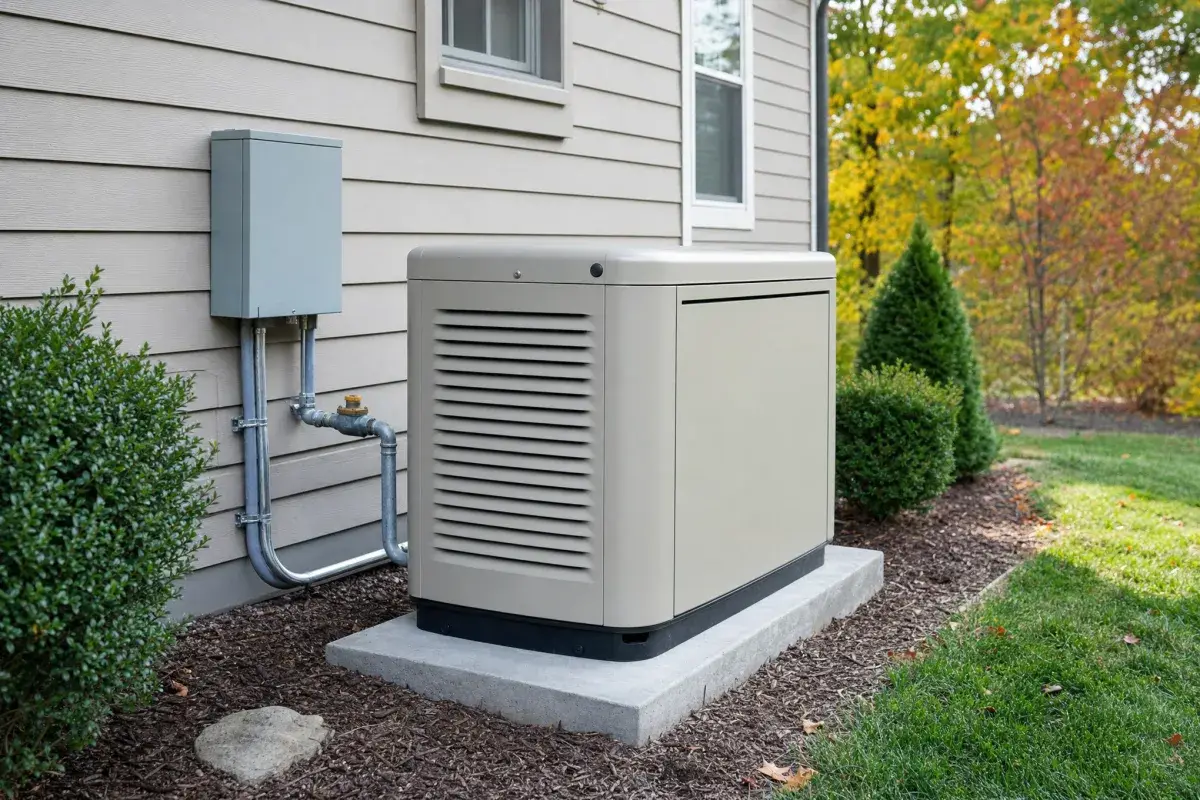
Surge protection and backup power solve two halves of the same storm. A surge protector guards your equipment when the voltage spikes, and a standby generator keeps the furnace, refrigerator, sump pump and home office running when the power goes out entirely. The transfer between utility and generator power is its own switching event, so a home with a generator is well served by a surge protector at the panel. Planning both together keeps the installation clean and the permits simple…
Start by adding up what a surge could damage in your home. Most people are surprised by the total once they count the furnace, the air conditioner or heat pump, the refrigerator, the range, the washer and dryer, and every screen and router in the house. Many of those items are hardwired or too large to plug into a strip, which is exactly why protection at the panel matters. It covers the equipment you cannot put a power strip behind, and it lowers the stress on everything else plugged in around the house.
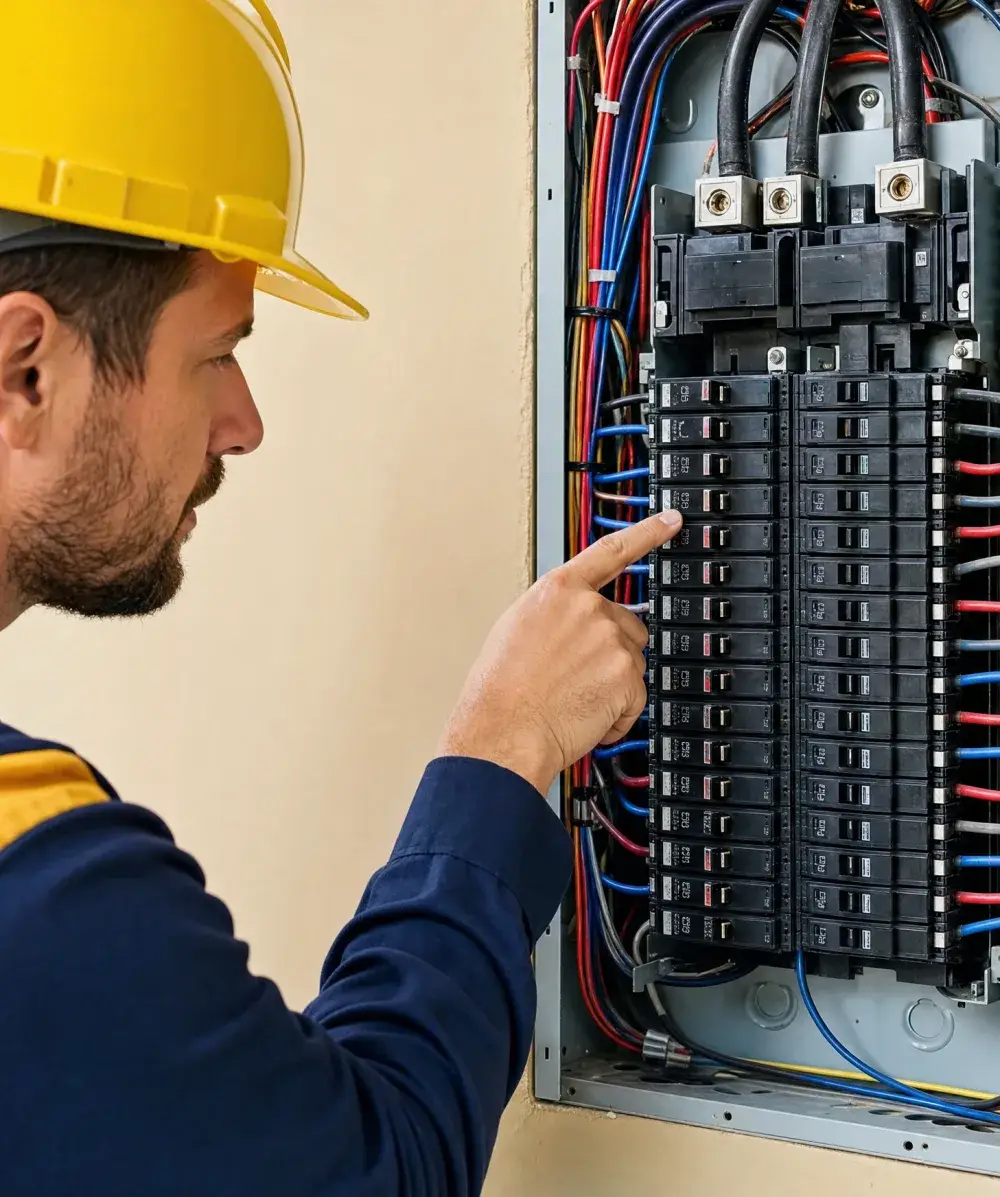
Next, look at the panel itself. A Type 2 device usually needs a double-pole breaker space or another approved connection point, so a full panel may need some rework, and an older panel with other problems may be better replaced with surge protection built into the plan. Then decide on point-of-use protection for the electronics that matter most, and replace old strips rather than trusting their indicator lights. Surge protectors wear with each event they absorb, so we show you the status light on the whole-house device and what it means when it changes. Depending on the jurisdiction, adding a device at the panel can require a permit, and we handle it when it does. Call today to plan your surge protection.
Small surges reach your equipment every day, and replacing a furnace control board or a refrigerator costs far more than protecting it. Northgate Electric installs whole-house surge protection matched to your panel, checks the grounding it depends on, and helps you layer protection for the electronics that matter most to you. Call (720) 555-0142 to schedule an install, or request a quote online.
Get $50 off electrical repairs of $500 or more. Limit one per customer. Not valid with other offers.
Get $100 off electrical panel replacement. Limit one per customer. Not valid with other offers.
Get $45 off EV charger installation. Limit one per customer. Not valid with other offers.
Get 10% off your electrical service needs. Maximum discount $100. Limit one per customer.
Straight answers to the questions homeowners ask us most about whole-house surge protection.
For full coverage, yes. Power strips protect only what is plugged into them and do nothing for hardwired equipment like your furnace, air conditioner or range. The best protection combines a device at the panel with quality strips at key electronics.
It handles surges from nearby strikes and from utility lines, which are far more common. Nothing protects against a direct strike to the house, so unplug irreplaceable electronics during severe storms when you can.
It depends on how many surges it absorbs. Many devices last for years, and most have an indicator light that shows when protection has been used up. We show you where to check it and replace the device when it has done its job.
Current editions of the National Electrical Code require it whenever a home gets a new or replaced electrical service, such as a service upgrade or a main panel replacement. Adding one to an existing panel is optional, and it is one of the more affordable protections you can add.
Most whole-house surge protectors are installed in one to two hours when the panel has space for the breaker. We shut off power for part of that time, so plan for a short outage during the visit.
Installed at the panel, a whole-house surge protector typically runs about $300 to $700, depending on the device and how much panel work is needed. Point-of-use protection is extra, and your price is confirmed in writing after a visit.
Not usually. Flickering, or lights that brighten and dim when appliances run, points to a wiring problem such as a loose connection. That needs a diagnosis, and we can check the circuit and the service during the same visit.