Whole-house surge protection installed at your panel by a licensed electrician, sized right for Centennial homes and their appliances.

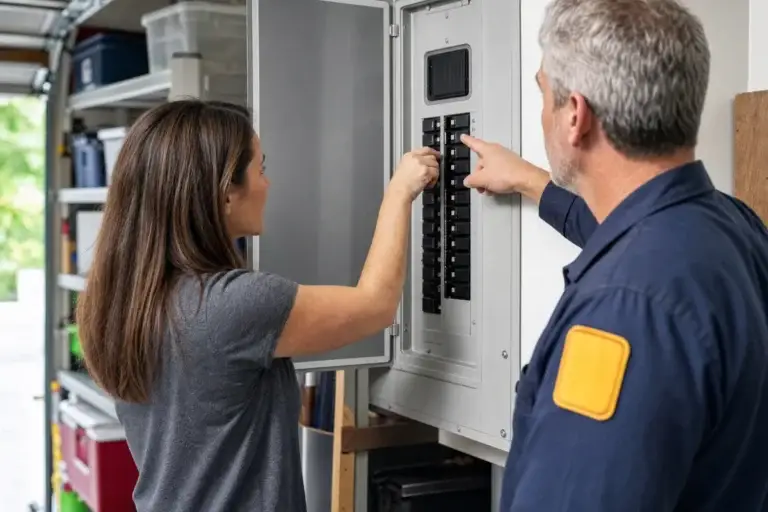
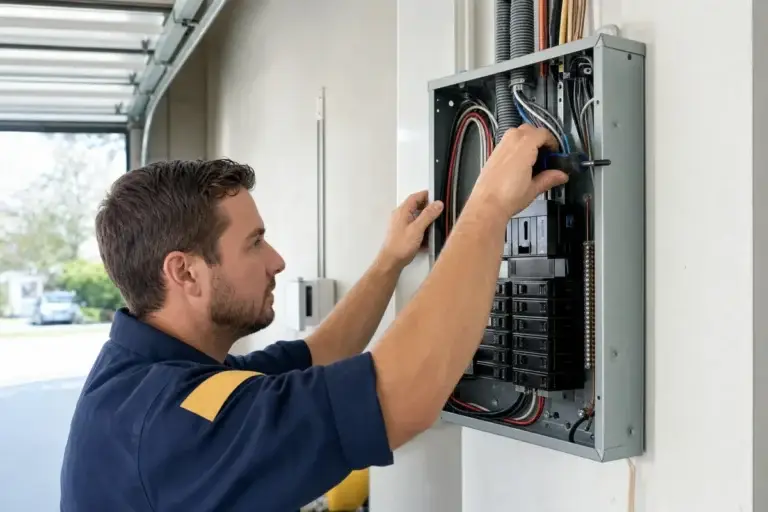
Centennial is a mix of ranches and bi-levels from the 1970s and 1980s, newer infill homes, and office and retail buildings farther east, and that variety matters when we plan a surge protection installation. An older panel may have little room for a dedicated breaker, while a newer home might already have a spot but weaker grounding than the device needs to work well. Open lots on the edges of the metro catch plenty of Front Range storm activity, and the utility switching that follows an outage can send a spike through every house on the same line, whether the home is fifty years old or five. Northgate Electric installs whole-house surge protective devices at the panel, checks the grounding and bonding the device depends on, and looks at what point-of-use protection makes sense for the electronics you care about most. A visit starts with a look at your panel, your equipment, and any past surge damage you can tell us about, followed by a written price before we touch a wire. If your project also involves an electrical panel upgrade, we plan the surge device into that same permit and inspection. You can read more about our full surge protection installation process, and see how we work throughout Centennial on other electrical projects too.
These patterns show up often enough in Centennial homes that they are worth a serious look:
An older panel with no free breaker space is one of the most common calls we get, especially in Centennial’s 1970s and 1980s housing stock. Many of these panels were built for a smaller electrical load than today’s homes carry, so adding a Type 2 surge device sometimes means finding a subfeed breaker location or discussing a fuller panel update at the same time. A failed control board after a storm is another pattern worth taking seriously, because control boards rarely announce themselves before they die, and one failure often means the next appliance is already weakened. Devices that reboot with no obvious cause point to smaller, repeated spikes rather than one big event, and those add up over years. New equipment like an EV charger or heat pump raises the stakes, since their control electronics are sensitive and some manufacturers expect surge protection as part of a proper install. And a house that relies only on old power strips has no protection at all for hardwired equipment like the furnace, water heater, or range, which is exactly what a panel-mounted device is built to cover.
A whole-house surge protector only works as well as the grounding system behind it. In many Centennial homes built in the 1970s and 1980s, ground rods, bonding jumpers, and panel connections have sat untouched for decades, and corrosion or a loose lug can quietly reduce how well a surge device does its job. Before we install anything at the panel, we check the grounding electrode system, the bonding to metal water pipes, and the connections at the neutral and ground bars, because a surge has to have somewhere reliable to go. This step matters more in older homes than in new construction, where grounding was installed to current standards from day one. We have also found panels in Centennial where a prior remodel or appliance swap left a ground connection loose without anyone noticing, since a loose ground rarely causes an obvious symptom until something like a surge event exposes it. If we find an issue, we explain it plainly, show you what needs fixing, and include it in the written price before moving forward with the surge device itself. Skipping this step is one of the more common shortcuts we see from installations done elsewhere, and it can leave a homeowner with a device that looks installed correctly but offers far less protection than it should. Getting the grounding right the first time also means the device’s status light will tell you the truth later, rather than masking a problem that was there from the start.
Many Centennial homes are approaching an age where the original panel is running short on breaker space, and a surge protection installation often surfaces that limit right away. A Type 2 whole-house device typically needs a double-pole breaker position, and older panels sometimes have every slot filled with circuits added piecemeal over the decades. When that happens, we look at whether a tandem breaker, a subpanel, or a fuller panel replacement makes more sense than forcing the device in. This is also the moment to think about what else might be coming. Homeowners planning an EV charger, a heat pump, or a home office with more networked equipment often find it makes sense to size the panel work and the surge protection together rather than paying for two separate visits. Business parks and office suites east of the main residential neighborhoods face a similar question on a larger scale, where tenant improvements or equipment additions can strain an existing panel long before anyone plans for it. We walk through your current setup, ask what you expect to add over the next few years, and give you options rather than a single fixed plan. That written estimate spells out what the surge device costs on its own and what changes if panel work is needed too, so there are no surprises once the breaker panel is open and the real capacity is visible.
Lights that flicker grab your attention fast. You try the switch again and…
Light switches look simple, but a switch that quits can mean there is a…
Power outages hit harder in Colorado than in many places. A fast change…
Smart home upgrades appeal to people because they save time and cut down…
Many homeowners reach out for an inspection because their breaker trips when…
When a major appliance shuts off in the middle of running or trips…
Ceiling fans make a room comfortable without running the air conditioning as…
Smoke alarms save lives, and they only work when the sensors inside them…
Electric vehicles have moved from a rare sight to something you see on…
Smart doorbells add convenience and peace of mind. You can see who is…
Every outlet and switch in the house leads back to the panel. When…
An electrician can spot what the untrained eye cannot see. There may be…
Homeowners do a lot of research before committing to a remodel or new…
Switches, breakers, and outlets handle power day in and day out. Outlets…
From storms to grid shifts, surges arrive without warning and can damage…
A room with thoughtful lighting is clear, usable, and enjoyable to work in…
Upgrading the lighting in a commercial space sounds simple at first. In…
Colorado evenings are best on a deck with lighting that lets you…
With the right lighting, a yard that disappears at night becomes a place…
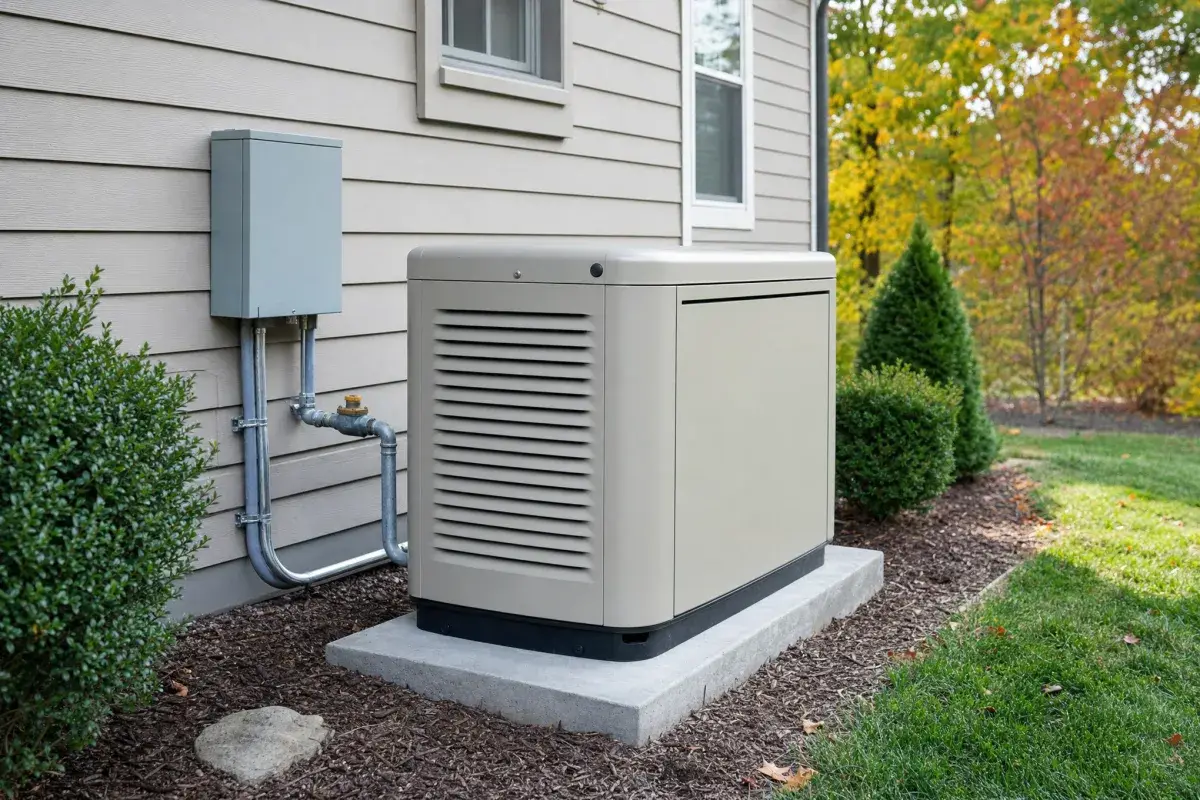
A generator keeps the lights on during an outage, but the moment power comes back on the line can send a surge through your panel right along with it. Pairing generator installation with whole-house surge protection covers both ends of an outage: the loss of power and its sometimes rough return…
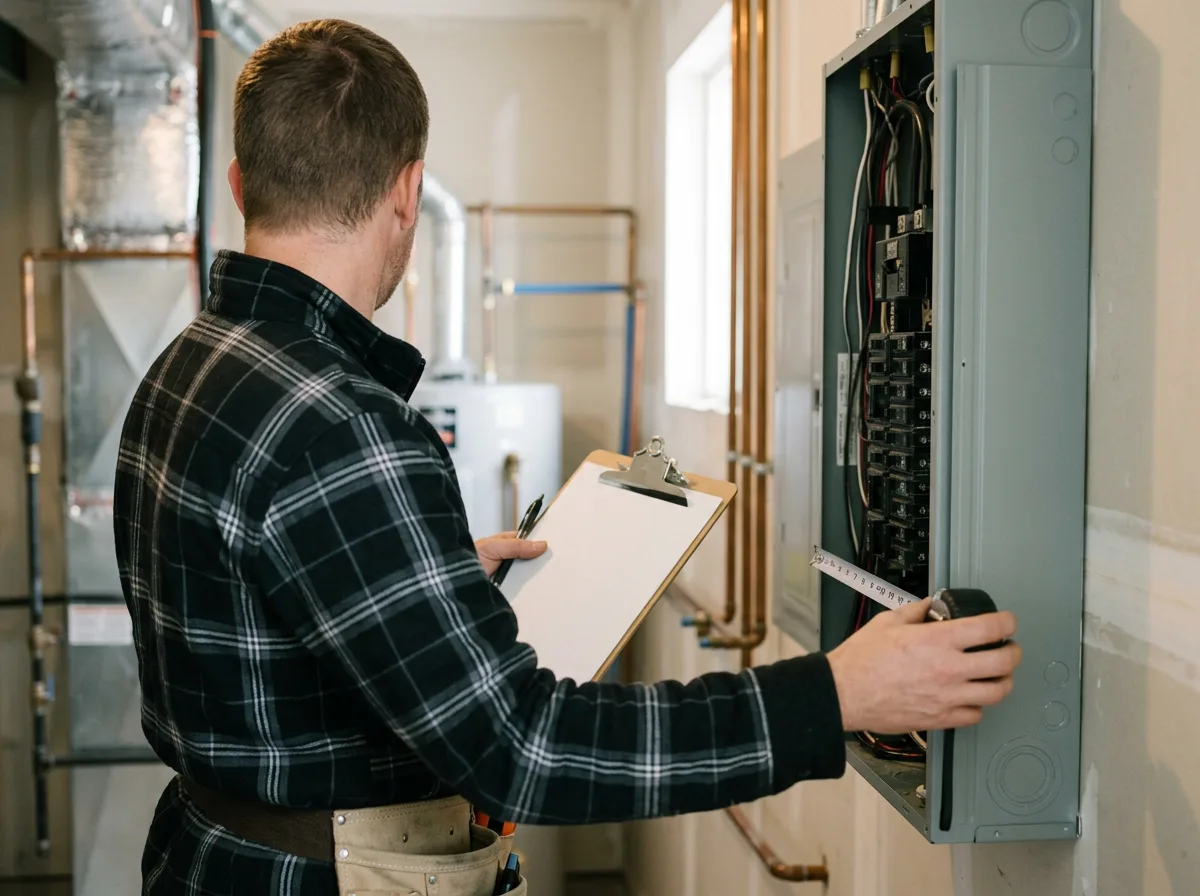
Planning this job right starts with an honest look at your panel. In Centennial, that often means dealing with a panel that has aged along with the house, so we check breaker space and wiring condition before quoting the device itself. Grounding gets checked next, since a surge device without a solid ground path is doing less than it should. From there we talk through which of your appliances and electronics deserve extra point-of-use protection beyond the panel-mounted device, since not everything needs the same level of coverage. Permits come up on some projects, particularly if the surge device is going in alongside a new or replaced service, and we handle that paperwork so you do not have to track it down yourself.
Most surge protection installations in Centennial take a couple of hours once the panel is open, though the timeline stretches if we find grounding issues or need to make room in a crowded panel. We shut off power for part of the visit, so plan for a short window without electricity while the work happens. Pricing for a whole-house surge protector commonly runs in a moderate range depending on the device chosen and how much panel work is involved, and the exact price is confirmed in writing after we see your specific panel and home. We do not add a trip charge for jobs inside Centennial, since it sits within our regular service area, and if your situation is urgent, such as recent surge damage during storm season, we usually get someone out the same day. If you are also weighing a panel upgrade, an EV charger, or a generator, mention it up front so we can plan the surge device into that same visit rather than opening the panel twice. Call us to get a straightforward assessment of what your home actually needs.
If you are ready to protect your Centennial home’s appliances, electronics, and control boards from the next storm or outage, we can walk you through it in plain terms and give you a written price before any work starts. Call (720) 555-0142 or send us a message through our contact page to set up a visit, and we will take a look at your panel and grounding before anything is installed.
Get $50 off electrical repairs of $500 or more. Limit one per customer. Not valid with other offers.
Get $100 off electrical panel replacement. Limit one per customer. Not valid with other offers.
Get $45 off EV charger installation. Limit one per customer. Not valid with other offers.
Get 10% off your electrical service needs. Maximum discount $100. Limit one per customer.
Here are the questions Centennial homeowners ask most often before scheduling this job.
Sometimes. Panels from the 1970s and 1980s often have little breaker space left, and grounding connections that old can be loose or corroded. We check both before quoting the device, and any extra work needed shows up in the written price we give you first.
Yes, for the surges that matter most. It handles nearby lightning strikes and utility switching after an outage, which are common along the Front Range. It will not stop a direct strike to your house, so unplugging irreplaceable electronics during severe storms is still wise.
Installed at the panel, whole-house surge protection commonly runs a moderate range depending on the device and how much panel work is needed. Point-of-use protection adds more. Your exact price is confirmed in writing after we see your panel and home.
It depends on the project. Adding a surge device to an existing panel is often optional and permit-free, but if it is part of a new or replaced electrical service, code requires it and a permit follows. We handle permits with the city when one applies.
For urgent situations, such as recent surge damage, we usually get someone out the same day. Scheduled, non-urgent installations in Centennial are typically booked out a few business days, and there is no trip charge since Centennial is in our regular area.
No. A power strip only protects what is plugged into it and does nothing for hardwired equipment like your furnace, range, or water heater. A panel-mounted device covers the whole house, and we can pair it with fresh point-of-use strips for extra coverage.
We can inspect the affected circuit and the panel during the same visit. Sometimes the fix is a simple part replacement, and other times it points to a grounding issue that needs correcting before new surge protection is installed.