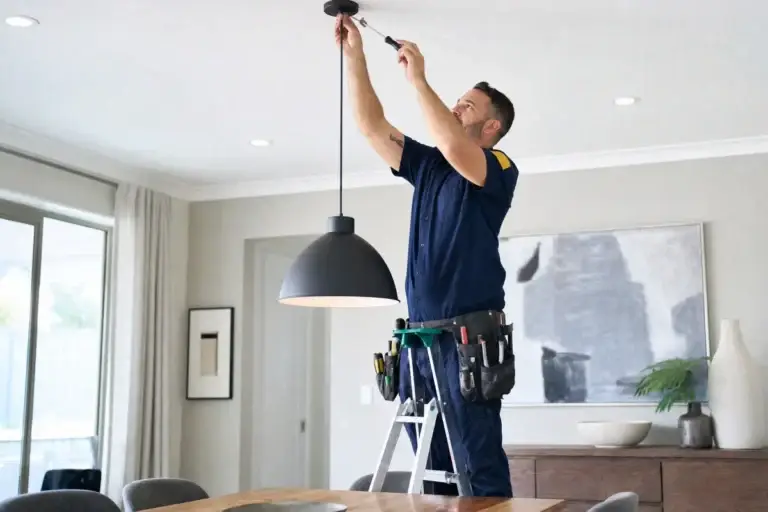
Standby and portable generator installation for Aurora homes, from panel connection and transfer switch to permits and final inspection.
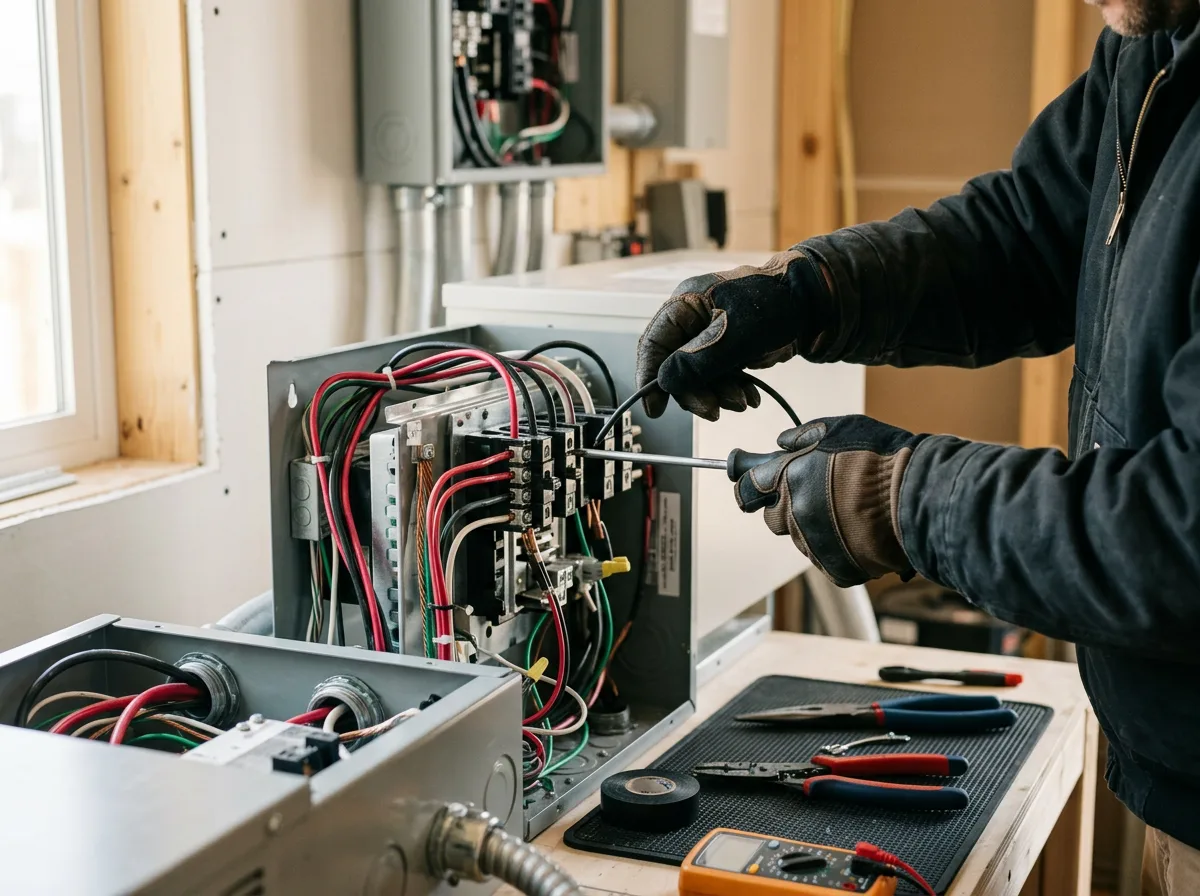
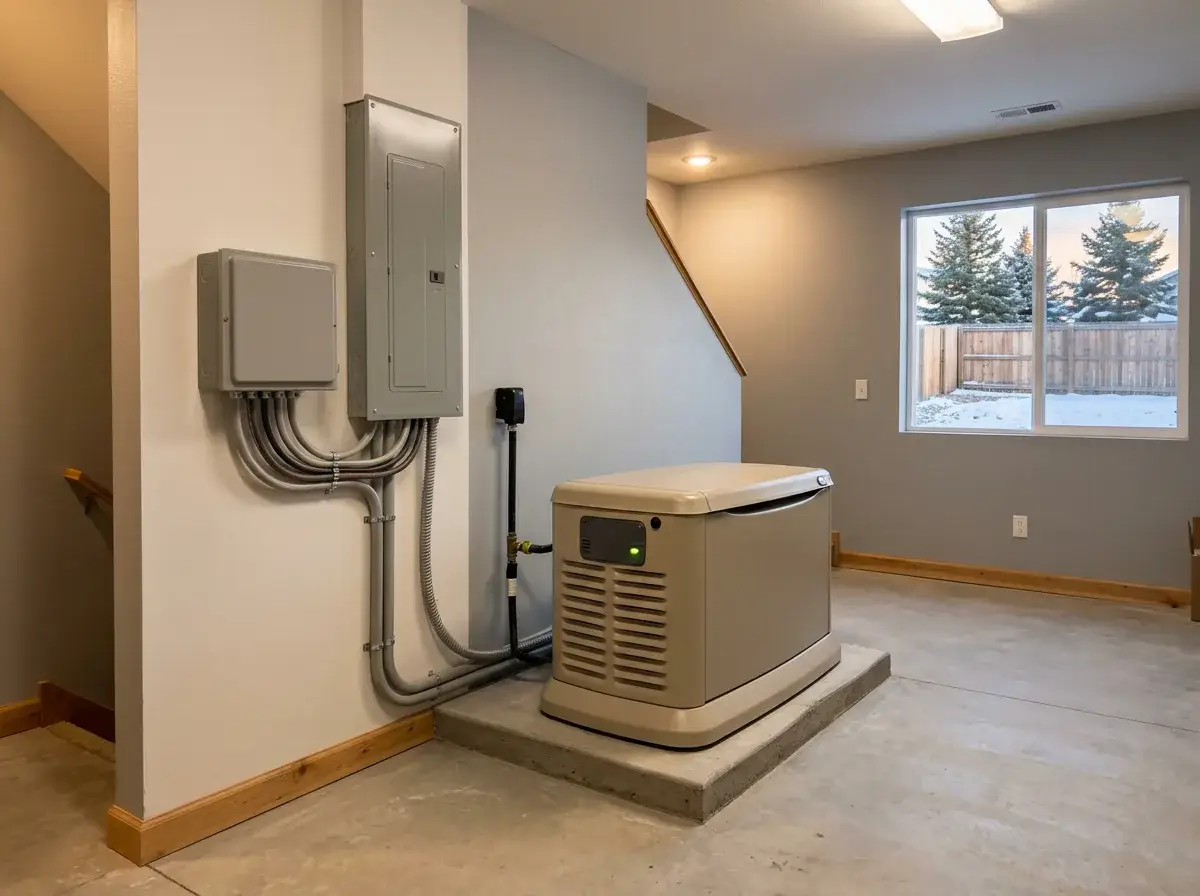
Aurora runs from older north side ranches near East Colfax to brand new subdivisions pushing out toward the plains, and that spread matters when you are planning a generator. A 1962 ranch with a 100 amp panel needs a very different path to backup power than a 2019 two-story with a full electric kitchen and an EV charger in the garage. Lot sizes vary too, and a standby unit on a pad needs enough clearance from windows, vents and the gas meter, which is a tighter fit on some older, closer-set streets than out in the newer subdivisions. Northgate Electric handles generator installation across the whole metro, including every part of Aurora, and the first visit is about your house, not a catalog. We look at your panel, your gas line if a standby unit is on the table, and the loads you actually want running through an outage. You can read more about how we work on our about page, but the short version is the same on every job: written price before we touch anything, permits pulled, and a walkthrough at the end so you know how to run the system. From there we size the generator and transfer switch to the house in front of us, whether that is a north Aurora ranch, a rental duplex, or a newer place near the eastern edge of the city.
Certain situations come up again and again when Aurora residents call us about generator installation:
Each of these points to a different answer, not one generic package. A basement that floods without the sump pump is usually the clearest case for a standby system, because that kind of failure does not wait for someone to plug in a portable unit. A full panel changes the order of operations, since a panel upgrade may need to happen before a transfer switch goes in cleanly, and we say so up front rather than discovering it mid-install. A household that travels wants a system that starts on its own, while a household that is usually home may be well served by a smaller portable generator through a properly wired inlet and interlock. We also weigh what the house is built to handle, because an older service that was never sized for central air is often carrying less spare capacity than the breaker count suggests. The visit is where this gets sorted out with real numbers from your panel and gas meter, not guesses, so the plan matches how your household actually uses the house.
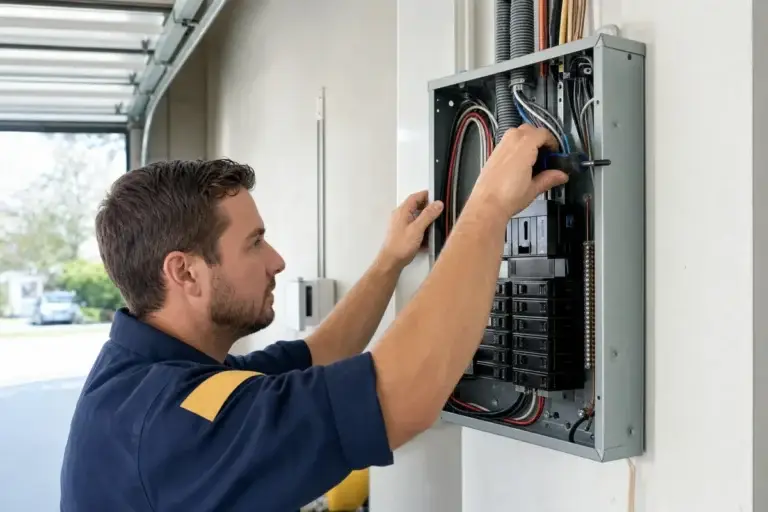
A lot of Aurora’s older housing stock, especially the ranches and split-levels built off East Colfax Avenue and through the middle of the city in the 1960s and 70s, was wired for a house that used far less power than a modern one does. Central air, a home office full of equipment, and an electric range all landed on these homes over the years without the panel growing to match. When we get called out for a generator on one of these properties, checking the panel is one of the first things we do, not an afterthought. If the bus is full or the service is undersized, adding a transfer switch cleanly usually means an electrical panel upgrade comes first, and we say that plainly during the estimate rather than after the generator has already been ordered. Gas supply matters just as much on these older homes. A standby generator needs to run at the same time as the furnace and water heater, and an older gas line or smaller meter may not have the extra capacity. We coordinate with the gas utility and a licensed plumber before we order equipment, so the schedule reflects real lead times instead of guesses. None of this makes an older Aurora home a bad candidate for backup power. It just means the plan has an extra step that a newer house in southeast Aurora may skip, and we lay that out clearly before you commit to anything.
Aurora’s eastern neighborhoods sit closer to open ground, and the weather that reaches those homes has less to slow it down. Wind and hail are part of why a generator matters here, since long outages on exposed streets are more common than in sheltered parts of the metro. They are also part of why placement takes real thought rather than picking the first flat patch of yard. A standby unit needs clearance from windows, doors and vents so exhaust cannot drift back into the house, and it needs to sit somewhere that will not take a beating every time a storm rolls through. Many of Aurora’s newer subdivisions also carry HOA or metro district rules covering exterior equipment, and a generator pad usually falls under those rules just like a charger pedestal or outdoor lighting would. We supply equipment specifications and a simple site plan when an association asks for them, so approval does not stall the install. A generator permit itself goes through the City of Aurora for addresses inside city limits, and through the county for some addresses that carry an Aurora mailing address but sit on unincorporated land. We confirm which applies before we quote, pull the permit, and meet the inspector on site so the paperwork lines up correctly the first time.
Lights that flicker grab your attention fast. You try the switch again and…
Light switches look simple, but a switch that quits can mean there is a…
From storms to grid shifts, surges arrive without warning and can damage…
Smart home upgrades appeal to people because they save time and cut down…
Many homeowners reach out for an inspection because their breaker trips when…
When a major appliance shuts off in the middle of running or trips…
Ceiling fans make a room comfortable without running the air conditioning as…
Smoke alarms save lives, and they only work when the sensors inside them…
Electric vehicles have moved from a rare sight to something you see on…
Smart doorbells add convenience and peace of mind. You can see who is…
Every outlet and switch in the house leads back to the panel. When…
An electrician can spot what the untrained eye cannot see. There may be…
Homeowners do a lot of research before committing to a remodel or new…
Switches, breakers, and outlets handle power day in and day out. Outlets…
Power outages hit harder in Colorado than in many places. A fast change…
A room with thoughtful lighting is clear, usable, and enjoyable to work in…
Upgrading the lighting in a commercial space sounds simple at first. In…
Colorado evenings are best on a deck with lighting that lets you…
With the right lighting, a yard that disappears at night becomes a place…
A generator keeps your house running when the grid goes down, but the same storms that cause those outages send surges into your panel while the power is still on. Pairing a generator with whole-home surge protection covers both ends of the problem, since the transfer switch handles the outage and the surge device protects the furnace, refrigerator and electronics from the spikes that come with it…
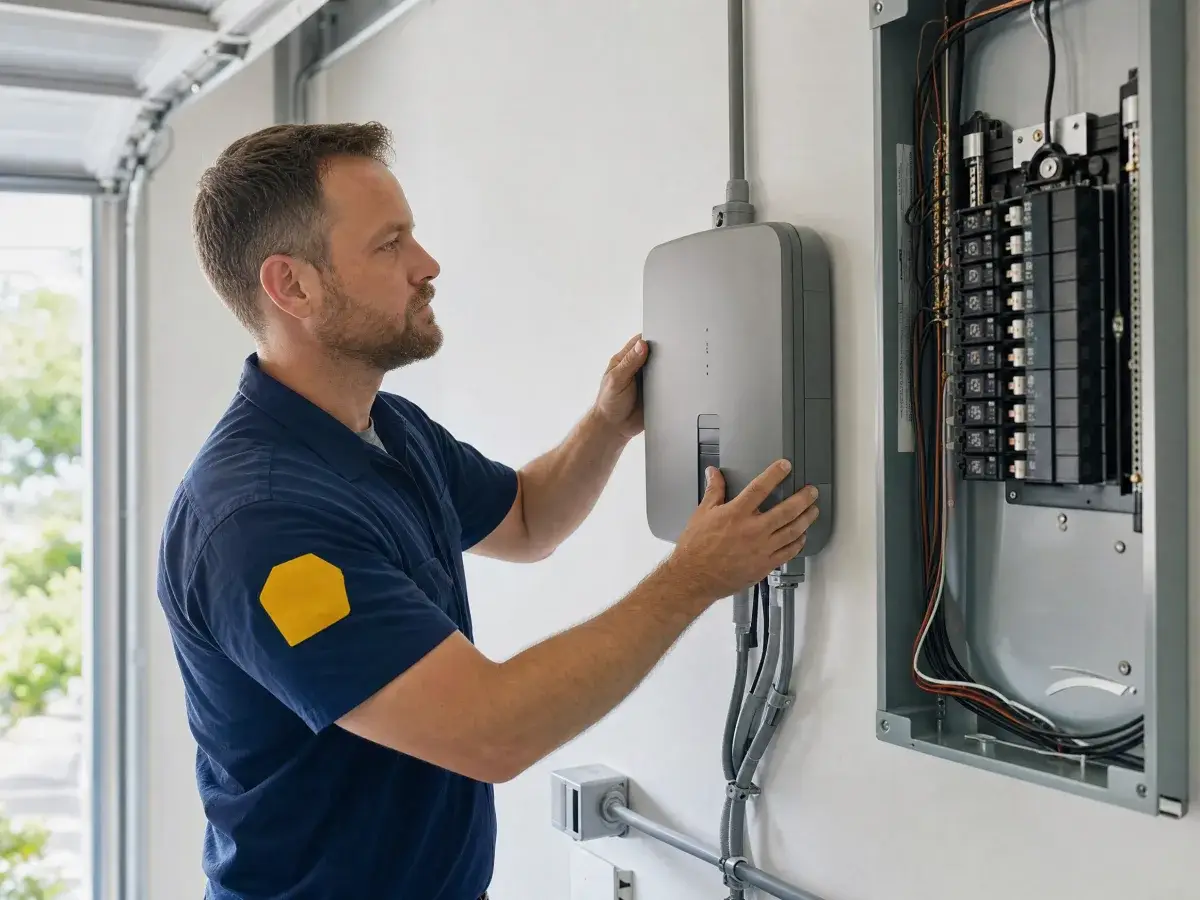
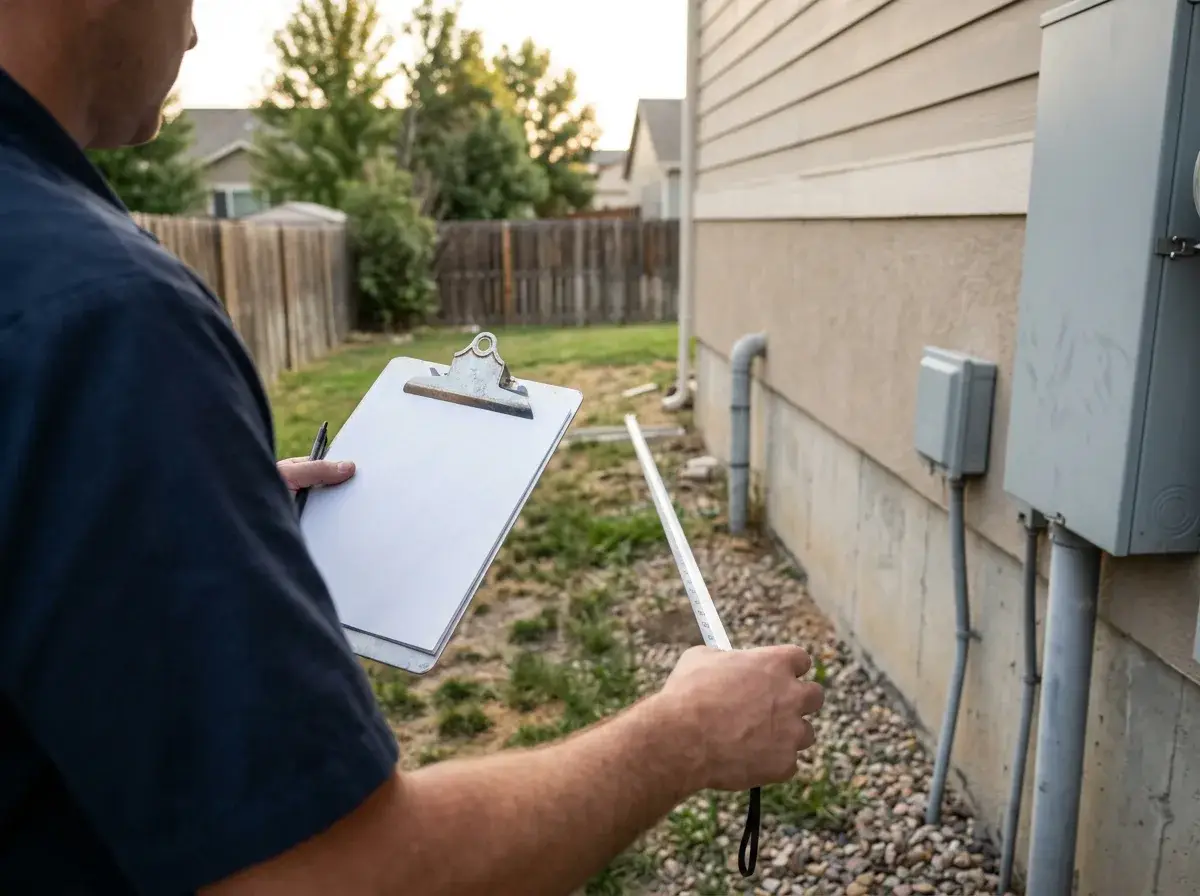
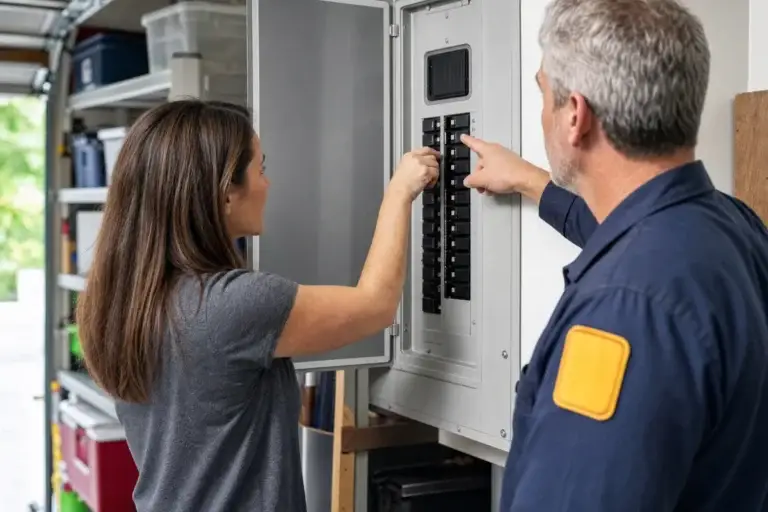
Most of these questions get answered in one visit. We check the panel’s spare capacity, look at the gas line if a standby unit is on the table, and walk the property to talk through placement before anything gets ordered. Because Aurora spans parts of Arapahoe, Adams and Douglas counties, we also confirm up front whether your permit goes through the city or the county, since a wrong assumption here can delay an inspection later. If your subdivision has an HOA or metro district that reviews exterior equipment, we get the specification sheet ready early so approval does not hold up your install once the generator arrives.
Whole-house standby installations across the Denver metro commonly run $9,000 to $20,000, depending on the generator size, the transfer switch, the distance to the panel, and any gas work involved. Portable inlet and interlock setups cost quite a bit less, since there is no engine or pad to install. Either way, the exact price is confirmed in writing after we see your home and panel, not before. For a lot of Aurora households, the decision comes down to how often power actually goes out on your street and what you stand to lose while it is off, whether that is a flooded basement, spoiled food, or a workday you cannot afford to miss. If a portable generator has not been cutting it, or a recent storm made you think twice about going without backup power, call us and we will walk the property with you before anything gets ordered.
If you are ready to talk through generator options for your Aurora home, call (720) 555-0142 and we will set up a visit to look at your panel, your gas line and your yard. You can also reach us through our contact page if you would rather send details first, and we will follow up to schedule a time that works.
Get $50 off electrical repairs of $500 or more. Limit one per customer. Not valid with other offers.
Get $100 off electrical panel replacement. Limit one per customer. Not valid with other offers.
Get $45 off EV charger installation. Limit one per customer. Not valid with other offers.
Get 10% off your electrical service needs. Maximum discount $100. Limit one per customer.
Here are some of the questions Aurora homeowners ask most often before installing a generator.
Yes. A standby generator needs an electrical permit and inspection, plus a permitted gas connection. Whether that goes through the City of Aurora or the county depends on your address, since Aurora spans three counties, and we confirm that before we quote.
It depends on how much spare capacity the panel has. Many older north side ranches were wired before central air and modern appliances existed, and the panel may need an upgrade first. We check this during the site visit before recommending equipment.
Once the pad is set and permits are issued, most installs take one to two days on site. Generator lead times can add several weeks before that, so we give you an honest schedule based on current availability when you order.
No. Plugging a portable generator into a wall outlet backfeeds your home’s wiring with no separation from the utility line, which can injure a lineworker and damage your generator. An inlet with an interlock or transfer switch is the safe, permitted way to connect it.
Many newer Aurora subdivisions have HOA or metro district rules covering exterior equipment like generators. We supply equipment specifications and a simple site plan if your association requires them, so approval does not stall your install.
It depends on which circuits you want running and how much surge power things like central air or a well pump need to start. We calculate your essential loads during the visit and size the generator and transfer switch to match, rather than guessing.
It depends on what you would lose in an outage. A finished basement with a sump pump, medical equipment, or a home office that cannot go dark can make a generator worthwhile even if outages on your street are infrequent but occasionally long.