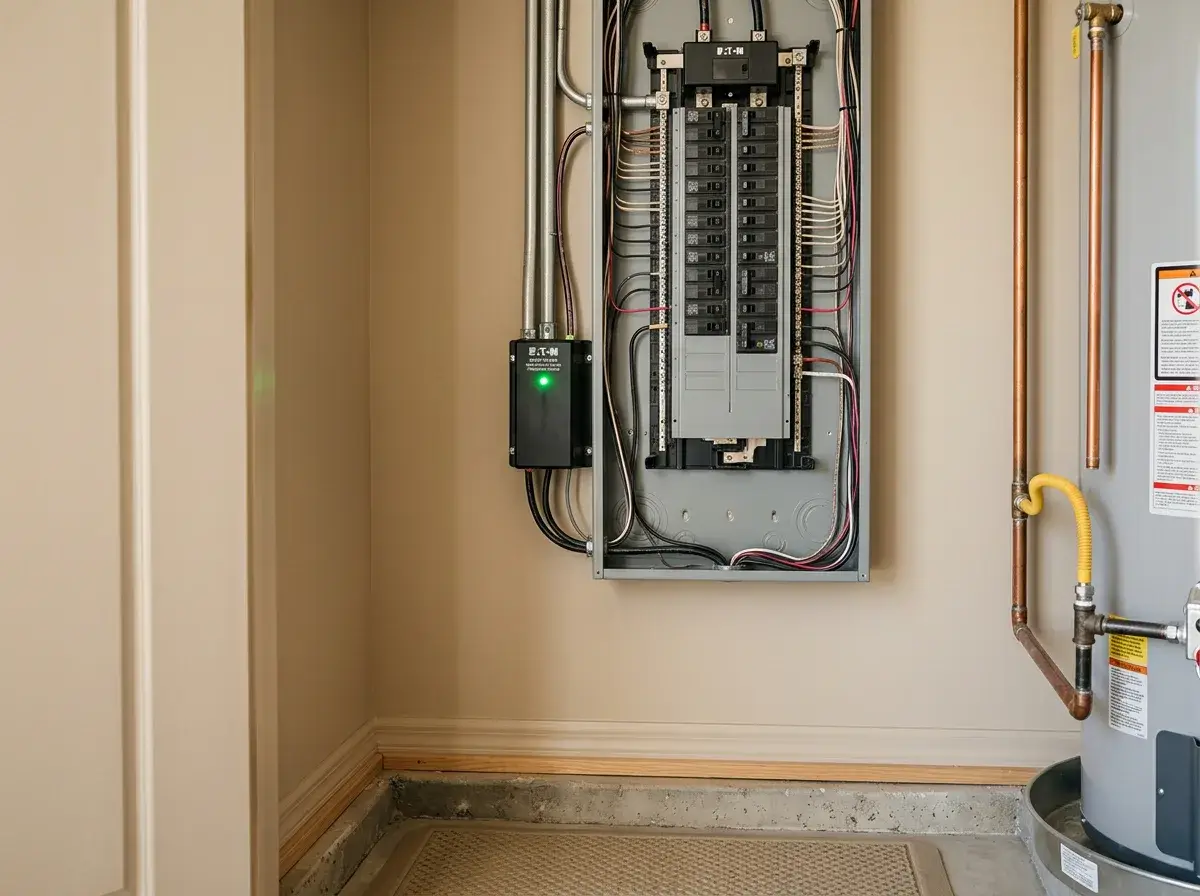
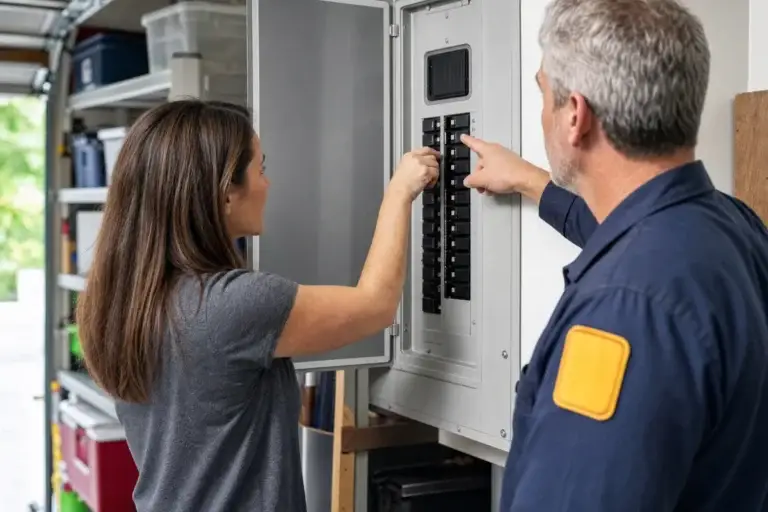
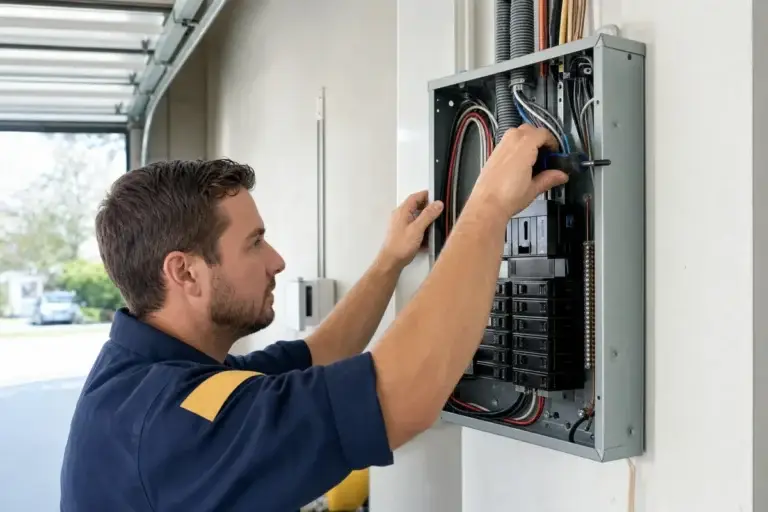
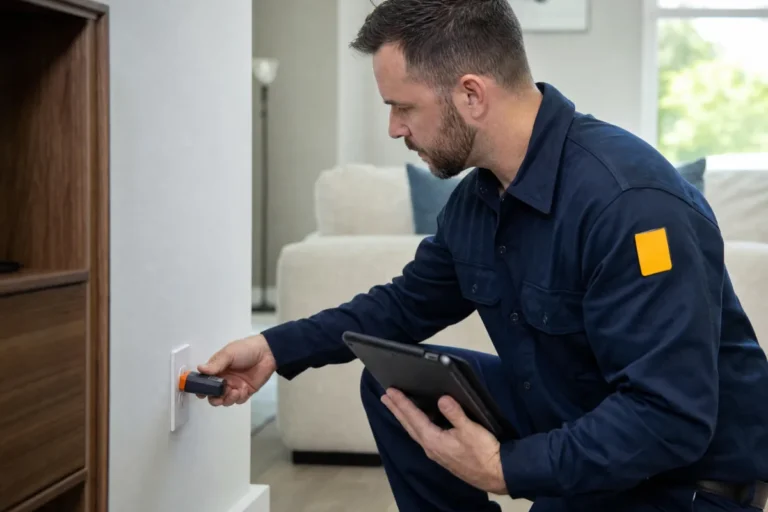
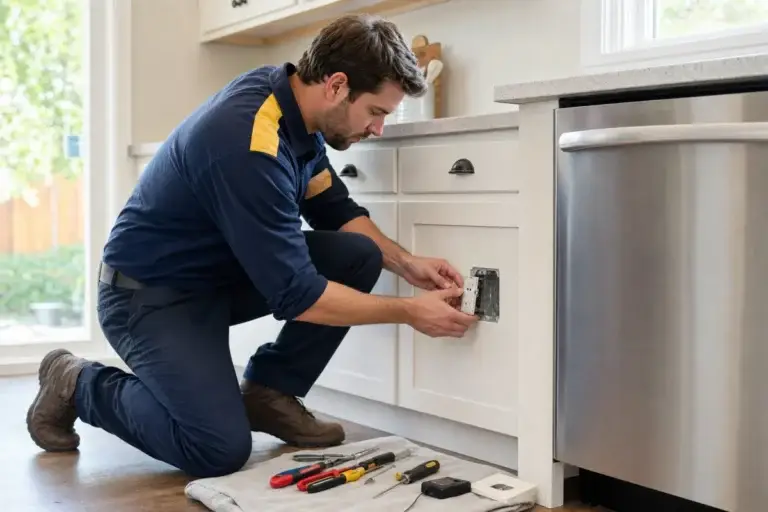
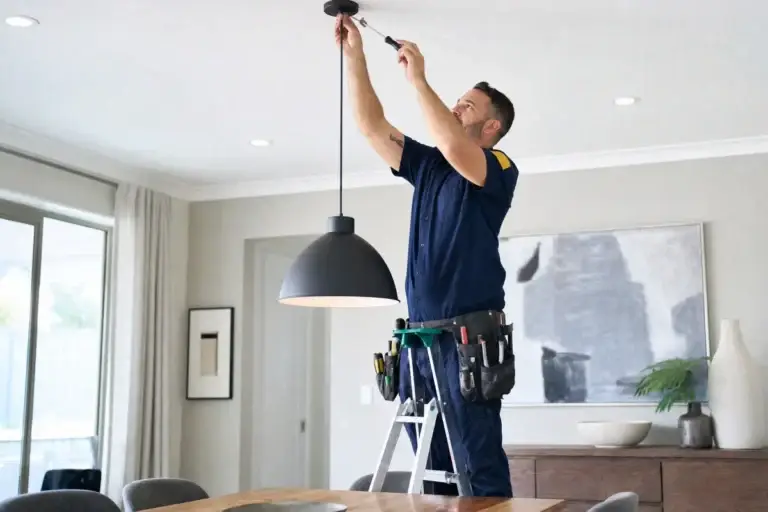
Panel-level surge protection installed for homes and outbuildings across Castle Rock, from downtown lots to rural acreage exposed to Divide storms.
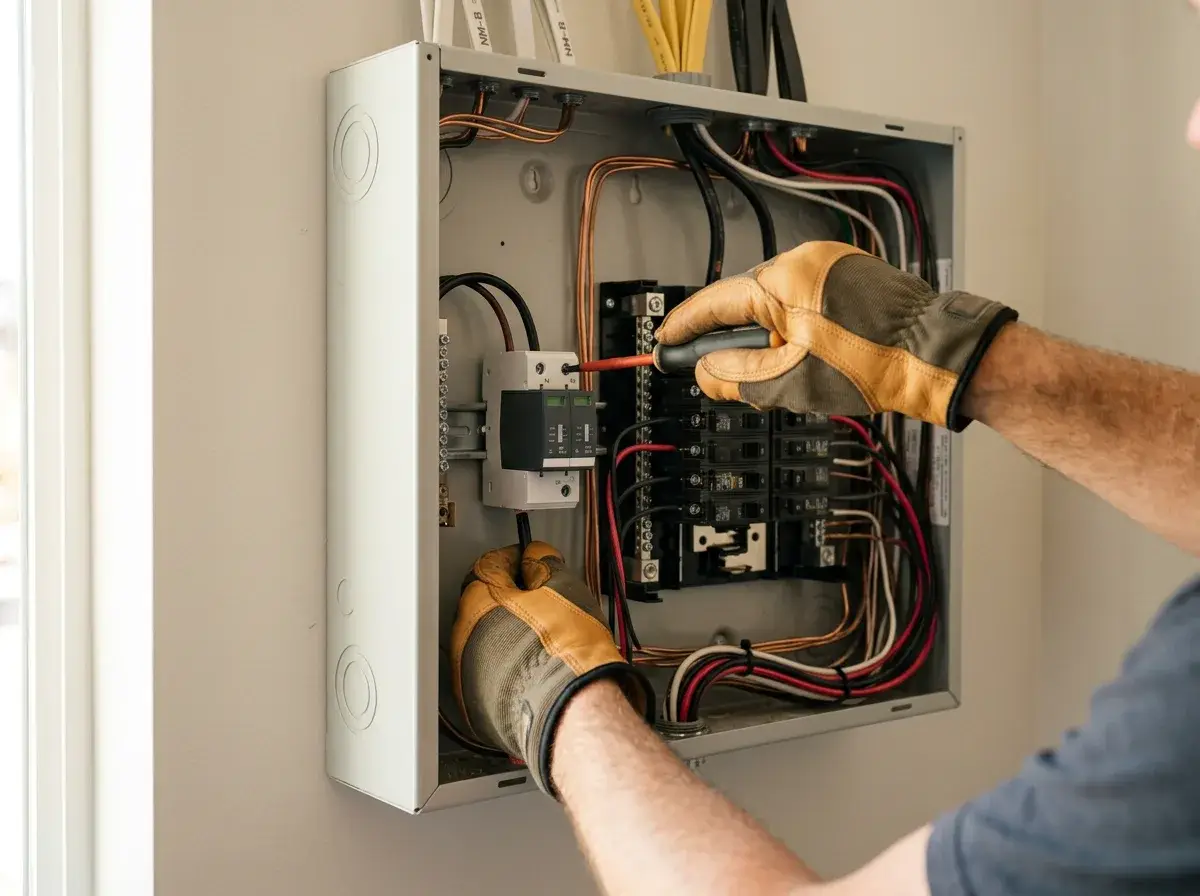
Castle Rock sits higher and more exposed than most of the south metro, and that has a real effect on what a surge protection job here actually involves. Homes near downtown often carry small, older panels that were never built with a spare breaker slot for a surge device, while newer subdivision homes usually have room but also have more electronics worth protecting, from smart thermostats to EV chargers. Out on the rural edges, long service runs and detached shops add another layer, since an outbuilding fed from the house may need its own point of protection. Northgate Electric treats each of these as a different job rather than a one-size install. We start by looking at your panel, your grounding, and what is actually plugged in or hardwired around your property, then explain in plain terms where a device fits and what it will and will not do. A visit typically includes checking the grounding system the device depends on, confirming panel space or breaker options, and giving you a written price before anything is opened up. If you want the full technical rundown on device types and how they work, our surge protection installation page covers that in more depth, and our Castle Rock electricians page covers the rest of what we handle around town.
These situations come up often enough in Castle Rock that they are worth a real look:
Each of these points to the same underlying gap: sensitive electronics with no defense at the panel. A furnace or range board that dies young is often absorbing small spikes for years before it finally quits, and an old panel with no free breaker space usually means the home was built before surge protection was a common add-on. New equipment raises the stakes, since a heat pump or EV charger concentrates a lot of value into one control board. Well pumps and outbuilding subpanels deserve special attention in Castle Rock, because rural power delivery already runs through longer exposed lines that pick up more of what happens during a storm. Our approach starts with the panel itself. If there is room for a breaker, the fix is usually straightforward. If not, we talk through whether a panel upgrade should come first, since it solves both the capacity problem and gives the surge device a clean home. For outbuildings, we look at whether the subpanel already has its own protection or is relying entirely on the main house device, which usually is not enough.
Castle Rock catches more lightning and more sudden grid switching than a lot of the north metro sees from the same storm system, simply because of where it sits. That matters for surge protection because it means the events a whole-house device has to absorb happen more often here than in a lot of the areas we serve. Older homes near downtown are the trickiest fit, since their panels were often installed decades before surge protection was standard, and finding a slot or an approved connection point for the breaker takes more care. Sometimes there is a straightforward spot, and sometimes the panel is full enough that the honest answer is to talk about an electrical panel upgrade rather than forcing one more device into a crowded box. We would rather tell you that up front than force a fix that will not hold up. Newer homes in the subdivisions ringing town usually have more room, but they also tend to have more at stake, since a modern build often has a smart thermostat, networked cameras, a home office, and a couple of large appliances with digital controls all running off the same panel. In either case, the installation itself is fairly quick once the panel situation is clear, but the planning around it, checking grounding, confirming breaker space, deciding whether a permit applies, is where the real work happens.
Property on the outer edges of Castle Rock often includes a well pump, a detached shop, or both, and each one changes how we plan a surge protection job. A well pump runs on its own 240 volt circuit with a pressure switch and sometimes a control box, and that control box is a common casualty when a nearby strike sends a surge down the line. Protecting the house panel alone does not necessarily protect the wellhead circuit, especially if the run to the pump is long. We look at where the surge device sits relative to the pump circuit and, where it makes sense, recommend a second point of protection closer to the load. Detached shops and barns raise a similar question. A subpanel feeding a shop is often wired straight off the main panel with no protection of its own, which means anything plugged in out there, a compressor, a welder, shop lighting, is exposed even after the house is covered. Adding protection at that subpanel closes the gap, and it is often worth pairing with a broader look at the property’s electrical wiring if the outbuilding was wired years ago. None of this is guesswork on our part. We trace the circuits, check the condition of the grounding at the well or the outbuilding, and give you a straightforward recommendation based on what we actually find, not a standard package applied to every rural property the same way.
Lights that flicker grab your attention fast. You try the switch again and…
Light switches look simple, but a switch that quits can mean there is a…
Power outages hit harder in Colorado than in many places. A fast change…
Smart home upgrades appeal to people because they save time and cut down…
Many homeowners reach out for an inspection because their breaker trips when…
When a major appliance shuts off in the middle of running or trips…
Ceiling fans make a room comfortable without running the air conditioning as…
Smoke alarms save lives, and they only work when the sensors inside them…
Electric vehicles have moved from a rare sight to something you see on…
Smart doorbells add convenience and peace of mind. You can see who is…
Every outlet and switch in the house leads back to the panel. When…
An electrician can spot what the untrained eye cannot see. There may be…
Homeowners do a lot of research before committing to a remodel or new…
Switches, breakers, and outlets handle power day in and day out. Outlets…
From storms to grid shifts, surges arrive without warning and can damage…
A room with thoughtful lighting is clear, usable, and enjoyable to work in…
Upgrading the lighting in a commercial space sounds simple at first. In…
Colorado evenings are best on a deck with lighting that lets you…
With the right lighting, a yard that disappears at night becomes a place…
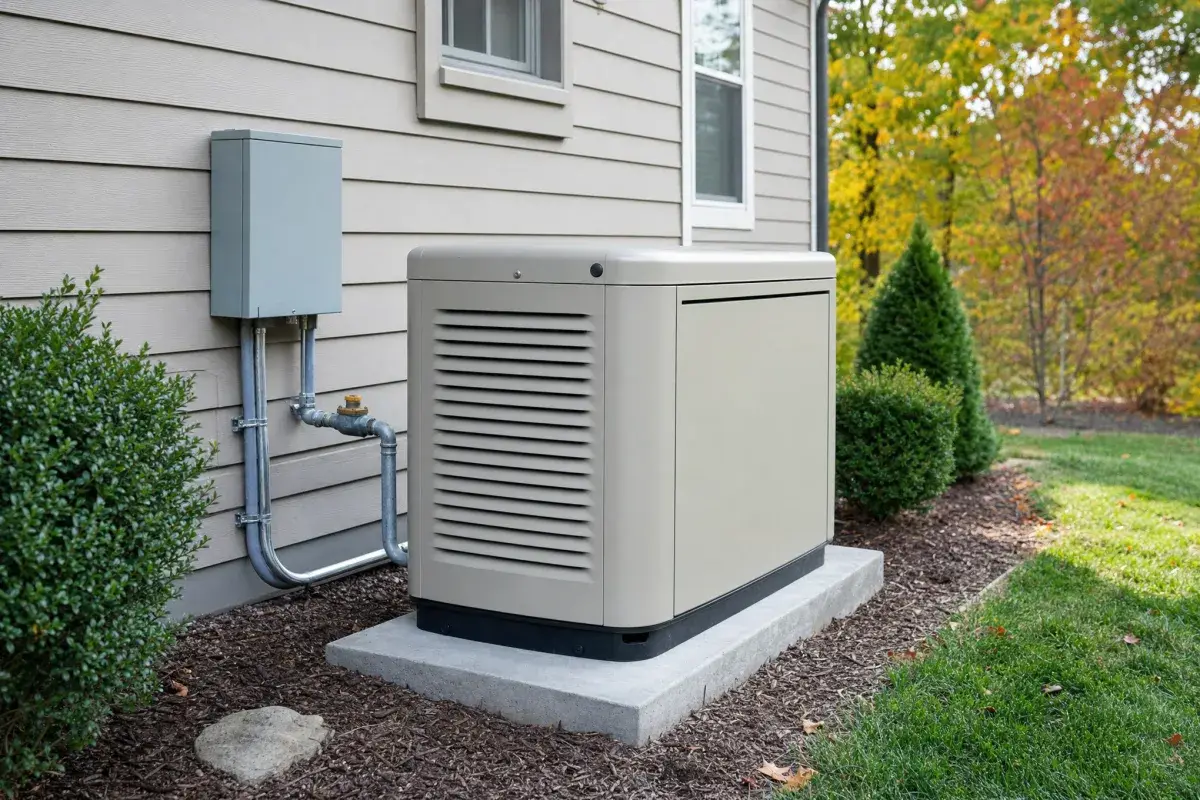
Surge protection and a standby generator solve two different halves of the same problem. One guards your equipment from voltage spikes, the other keeps the power on when the grid goes out entirely, which happens more often on the exposed, rural edges of Castle Rock. Planning both together lets us size and wire them cleanly around a single panel…
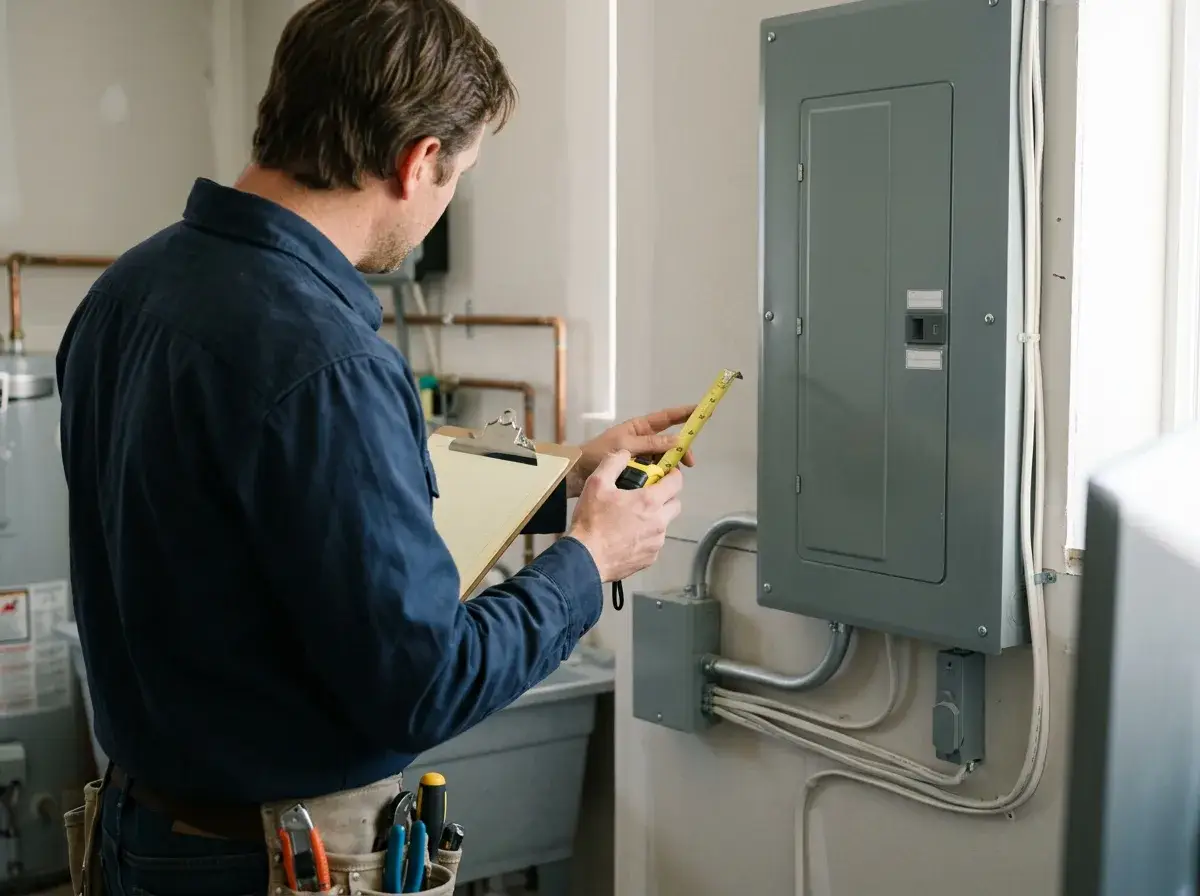
None of these questions have a single answer that applies to every home in Castle Rock, which is why we treat the first visit as a real assessment rather than a formality. We check the panel for space and condition, confirm which jurisdiction issues the permit if one applies, and walk the property if there is a well or an outbuilding involved. Most of the time a whole-house device installs cleanly in an hour or two once we know what we are working with, but the planning step is what keeps us from surprising you with extra work partway through. We would rather find the full scope before we open the panel than discover it once we are already inside.
Once we know the layout of your panel and property, pricing is straightforward. A whole-house surge protector installed at the panel commonly runs in a moderate range depending on the device and how much panel work is needed, and any additional point-of-use protection for a wellhead or outbuilding subpanel adds to that. We always confirm the exact number in writing after we see the home, so there are no surprises once work begins. If a permit applies, whether you are inside Castle Rock town limits or out in unincorporated Douglas County, we handle filing it and meeting the inspector so you do not have to track down the right office yourself. Every job also carries our workmanship warranty, and there is no trip charge for coming out to look at the panel, even if you decide to wait on the work. Some homeowners pair this with a full electrical inspection to check the rest of the system at the same time. If you have been putting this off because you were not sure where to start, call us and we will walk the property with you and give you a clear plan.
If you want a straight answer on what your panel needs and what it will cost, call us at (720) 555-0142 and we will set up a visit. You can also send details anytime through our contact page, and we will follow up to schedule a time that works, usually within a few days for planned work and the same day for anything urgent.
Get $50 off electrical repairs of $500 or more. Limit one per customer. Not valid with other offers.
Get $100 off electrical panel replacement. Limit one per customer. Not valid with other offers.
Get $45 off EV charger installation. Limit one per customer. Not valid with other offers.
Get 10% off your electrical service needs. Maximum discount $100. Limit one per customer.
Here are the questions Castle Rock homeowners ask most often before scheduling this job.
No, we work on properties inside town limits and in unincorporated Douglas County. The main difference is which office issues the permit, and we confirm that during the first visit before filing anything.
It helps with the surges that follow nearby lightning strikes and utility switching, which are common here. It will not stop a direct strike, so unplugging sensitive electronics during a severe storm is still the safest move.
Yes. If the pump circuit is a long run from the main panel, we often recommend a second point of protection near the wellhead, since the main device does not always cover the whole distance well.
Not always. Many older panels have no spare breaker slot for a surge device, so the honest recommendation is sometimes a panel upgrade first, which also solves other capacity issues at the same time.
It depends on the scope. Adding a device to an existing panel is often straightforward, but if it is paired with panel work or new service, a permit is usually needed, and we handle the filing either way.
Yes, if it has its own subpanel. Tools, welders, and shop lighting fed from that subpanel are not protected by a device on the main house panel alone, so a separate unit closes that gap.
Surge protection and a generator solve different problems, one guards equipment from spikes and the other covers outages. Planning them together lets us size the panel work once instead of twice, which usually saves time and cost.