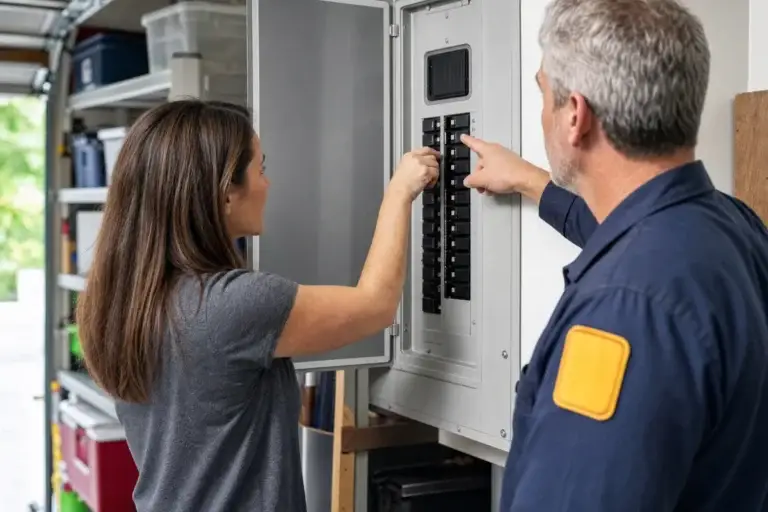
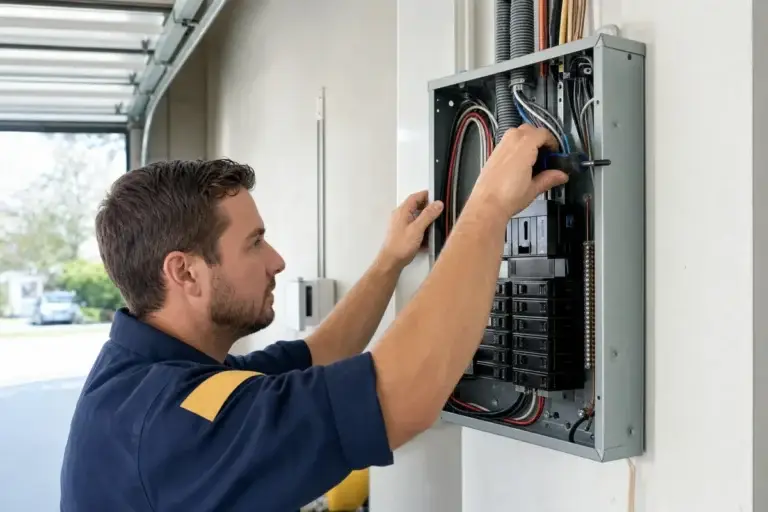
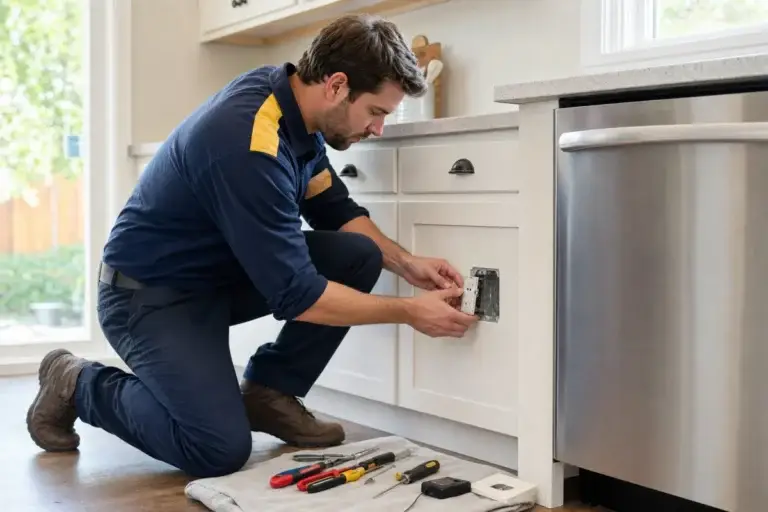
Whole-house surge protection installed at the panel for Lone Tree homes, sized to your electrical service and grounding.

Surge protection in Lone Tree is not the same job as it is in an older, denser part of Denver, because most of this city’s housing stock went up from the 1980s forward, with two-story entries, walkout basements on sloped lots and larger attached garages full of tools, freezers and now EV chargers. That mix of newer builder-grade wiring and heavier modern loads changes what a whole-house surge protector has to handle. Add in summer hail and lightning that roll across the open lots on the edges of town, and a device sized for a smaller, simpler house can end up undersized here. Northgate Electric installs whole-house surge protection at the panel, checks the grounding and bonding the device depends on, and looks at what else is on your service, including EV chargers, heat pumps and smart home gear, before recommending a specific unit. A visit starts with a look at your panel and a short conversation about what has failed or worried you, then a written price before anything is touched. If your setup calls for more than the panel device, we talk through point-of-use protection too, and our surge protection installation approach across the metro applies the same way to Lone Tree properties. You can read more about how we run a job on our about page.
Homes and businesses in Lone Tree tend to ask for surge protection after one of these:
Each of these points to the same underlying gap: something in the house is exposed to voltage spikes with no real barrier in front of it. A furnace board or a range control is hardwired, so a power strip could never have protected it in the first place, and the damage usually shows up as an early, unexplained failure rather than anything dramatic. Old strips are their own problem, because the components inside them wear down with every surge they absorb, and many keep passing power long after they stop protecting anything, so the little green light can be lying to you. Smart switches, thermostats and routers add more sensitive electronics to the list every year. Our approach starts at the panel, since that is the one point where a single device can cover the whole house, including equipment too large or too fixed in place to plug into anything. From there we look at what deserves extra point-of-use protection, based on what you actually have plugged in and hardwired around the property.
Because so much of Lone Tree was built from the 1980s on, panels here are generally newer than what you find in older parts of Denver, but newer does not mean built for today’s loads. A panel from that era was sized for a furnace, a range, maybe central air and a handful of outlets, not for an EV charger, a heat pump and three televisions with streaming boxes attached. Adding a Type 2 surge protective device usually means finding or making room for a double-pole breaker at that panel, and on a fuller panel that can mean some rework before the device goes in. This is also why surge protection and panel work often show up together on the same visit. If you are adding an EV charger or planning any other upgrade to the service, current code calls for surge protection whenever the service itself is installed or replaced, so it makes sense to handle both at once rather than open the panel twice. We check the panel’s available space, the condition of the grounding system and the size of the loads you are running before quoting the device, so the number you get in writing reflects your actual panel rather than a generic estimate.
Lone Tree sits on ground that catches its share of summer thunderstorms and hail, and a strike does not need to hit your roof to cause damage. A hit on a nearby line or transformer can send a surge into every home fed by that circuit, and the moment power comes back on after an outage often sends another spike right behind it. Properties on more open lots near the edges of town, with fewer trees and structures around them, tend to see this weather directly, but a house tucked into an established neighborhood is not exempt either, since the surge often arrives through the shared utility line rather than through the air. A whole-house device at the panel handles these utility-side events along with the smaller surges your own HVAC and appliances create every time a compressor or motor cycles on. It will not stop a direct strike to the house, and unplugging valuable electronics during a severe storm is still the safest habit regardless of what protection you have installed. What it does is take the daily wear and the common nearby-strike events off the table, which is most of what actually damages equipment over the years.
Lights that flicker grab your attention fast. You try the switch again and…
Light switches look simple, but a switch that quits can mean there is a…
Power outages hit harder in Colorado than in many places. A fast change…
Smart home upgrades appeal to people because they save time and cut down…
Many homeowners reach out for an inspection because their breaker trips when…
When a major appliance shuts off in the middle of running or trips…
Ceiling fans make a room comfortable without running the air conditioning as…
Smoke alarms save lives, and they only work when the sensors inside them…
Electric vehicles have moved from a rare sight to something you see on…
Smart doorbells add convenience and peace of mind. You can see who is…
Every outlet and switch in the house leads back to the panel. When…
An electrician can spot what the untrained eye cannot see. There may be…
Homeowners do a lot of research before committing to a remodel or new…
Switches, breakers, and outlets handle power day in and day out. Outlets…
From storms to grid shifts, surges arrive without warning and can damage…
A room with thoughtful lighting is clear, usable, and enjoyable to work in…
Upgrading the lighting in a commercial space sounds simple at first. In…
Colorado evenings are best on a deck with lighting that lets you…
With the right lighting, a yard that disappears at night becomes a place…
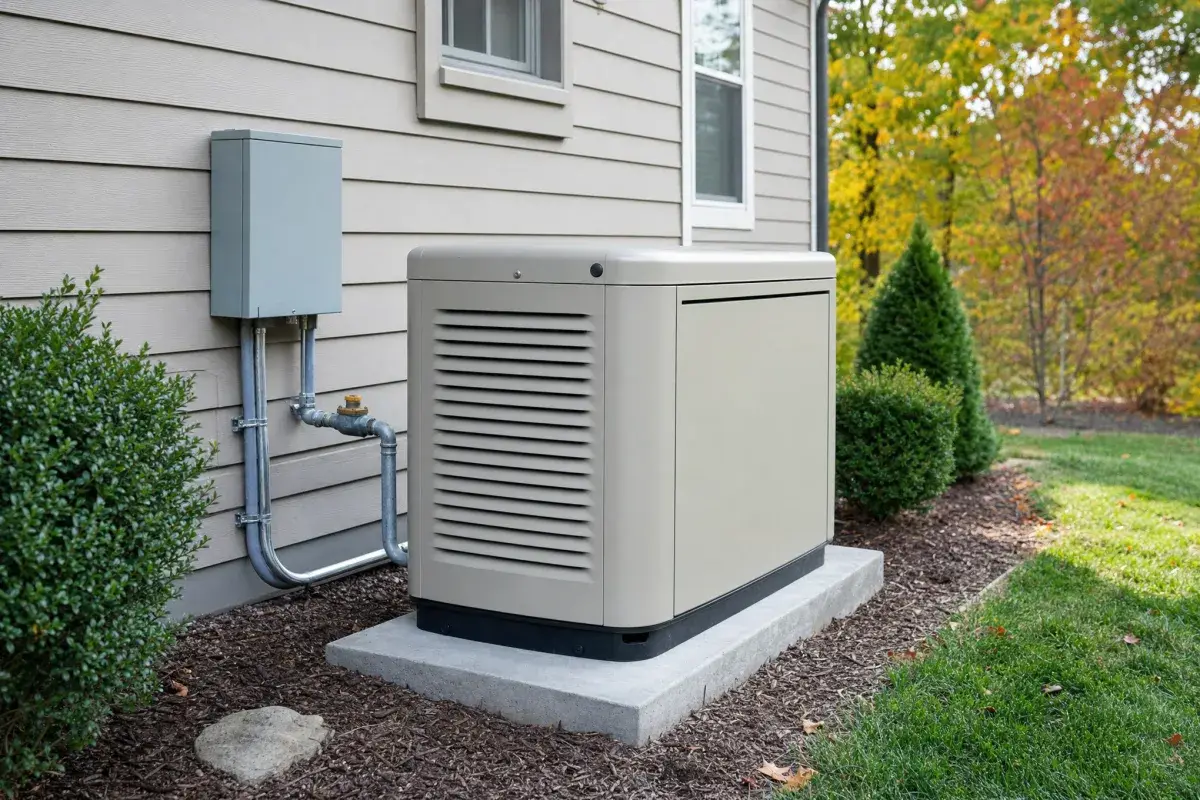
A standby generator adds its own transfer switch and control board to your electrical system, and both are vulnerable to the same surges that threaten everything else in the house. Pairing generator installation with panel-level surge protection means the equipment that keeps your power running during an outage is protected the moment power returns…

Because Lone Tree is its own city rather than an unincorporated part of Douglas County, permits for electrical work follow the city’s process, and adding a device at the panel can require one depending on the scope of the job. We confirm what your specific address needs before we schedule anything, and we pull the permit and handle the inspection when one applies. This step matters more than it sounds, because skipping a required permit can create problems later with insurance or with a future sale of the property, long after the surge protector itself is doing its job quietly at the panel.
Most whole-house surge protectors commonly run in a range depending on the device and how much panel work is needed to fit it, and the exact price is always confirmed in writing after we see your panel in person, not guessed over the phone. If you already know you want an EV charger, a generator or a panel upgrade at some point, mention that when you call, since it can change which device makes sense and whether it is worth doing the work together. We would rather quote the right job once than have you pay for a second visit because we didn’t ask the right questions the first time. If a storm has already cost you an appliance or you just want the peace of mind before the next one, call and we’ll walk through it with you.
If you want a straight answer about whole-house surge protection for your Lone Tree home or business, call (720) 555-0142 and we’ll talk through what your panel and your equipment actually need. You can also send details through our contact page and we’ll follow up to schedule a visit and a written price.
Get $50 off electrical repairs of $500 or more. Limit one per customer. Not valid with other offers.
Get $100 off electrical panel replacement. Limit one per customer. Not valid with other offers.
Get $45 off EV charger installation. Limit one per customer. Not valid with other offers.
Get 10% off your electrical service needs. Maximum discount $100. Limit one per customer.
Here are the questions Lone Tree homeowners and property managers ask most before scheduling surge protection.
It depends on the scope of the work. Lone Tree issues its own electrical permits rather than routing through Douglas County, and adding a breaker at the panel can require one. We confirm your address’s requirement before scheduling and pull the permit if needed.
Most Lone Tree homes were built from the 1980s on, and their panels generally accept a Type 2 surge protective device without major rework. We check your specific panel’s breaker space and grounding first, since that determines what fits.
Yes, and it often makes sense to. Both jobs touch the panel, and current code requires surge protection whenever a home’s electrical service is installed or replaced, so combining the work saves opening the panel twice.
Urgent electrical problems are usually seen the same day, and there is no trip charge inside our service area. For a planned surge protection install, we schedule a visit to look at the panel first and confirm the price in writing.
Yes, a device installed at the main panel protects every circuit fed from that panel, including a dedicated EV charger circuit. We still check the charger’s own wiring and breaker sizing separately during the visit.
We look at your panel, check the grounding system it relies on, and ask what equipment and electronics you’re most concerned about. You get a written price before any work starts, and installation itself usually takes one to two hours.
No. A whole-house surge protector installs inside the panel, so it is not visible from outside and typically does not need HOA architectural approval, unlike exterior equipment such as generators or EV charger conduit runs.