Whole-house standby and portable generator hookups for Centennial homes, sized, permitted and connected so your power stays safe during an outage.

Centennial is full of ranches, bi-levels and two-stories built in the 1970s and 1980s, and most of those homes have panels that were never planned around a generator. That matters, because a generator connection is only as good as the panel and transfer equipment behind it, and an older panel with little spare space or a worn bus often needs attention before a transfer switch can be added cleanly. Lot sizes vary across Centennial too, from tighter Southglenn lots to wider lots farther east near the business parks, which changes where a standby unit can sit once clearances from windows, vents and the gas meter are worked out. Colorado’s weather adds its own pressure: spring snow and summer wind both bring down lines along the Front Range, and a house that loses power for a few hours once a year has different needs than one that floods with a sump pump during a longer outage. Northgate Electric handles both whole-house standby systems and portable generator inlets for homeowners across the city, as part of our broader generator installation work across the metro. A visit starts with a walk through your panel and your must-run loads, moves to placement and gas or fuel questions, and ends with a written price and a permit plan before anything is ordered.
Homeowners across Centennial typically call about generator installation after one of these:
Each of these points to a different setup, not a single default. A basement that floods without warning usually argues for a whole-house standby unit that starts on its own, since nobody may be home when the power goes out. A household that loses power once or twice a winter, with someone usually around, may be well served by a portable generator wired through a proper inlet and interlock, at a lower cost. An aging panel changes the order of operations rather than the outcome: we may need an electrical panel upgrade before the transfer equipment goes in, and we say so up front. Medical equipment and remote work push toward more reliable, automatic coverage, since a manual start depends on someone being present and able to act quickly. We walk through these situations with you at the site visit, not over the phone, because the right answer depends on the panel, the lot and the gas or propane supply available at your specific address.
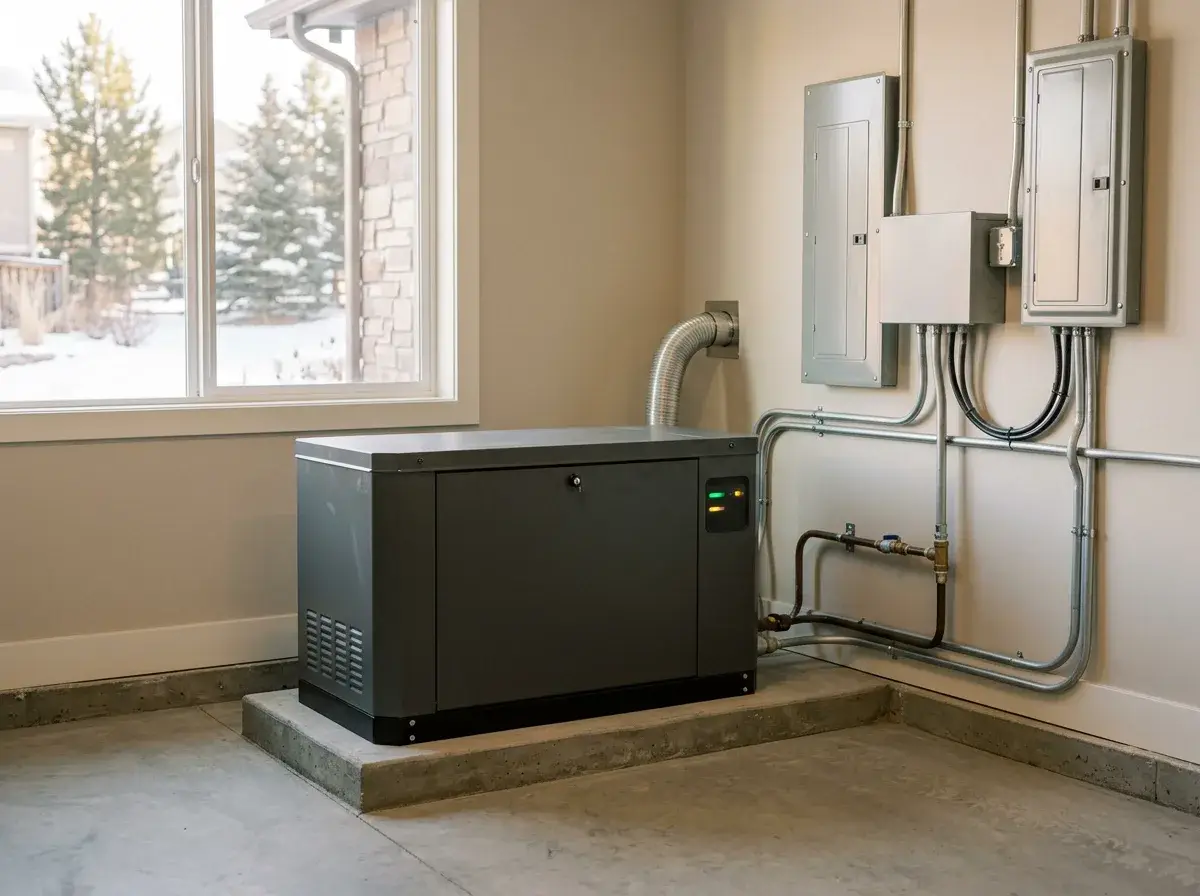
Where a standby generator sits is set first by the manufacturer’s clearance requirements from windows, doors and vents, and second by whatever your HOA expects for screening and location. Centennial has a mix of lot shapes, from the closer-set homes around Southglenn to wider yards near the eastern business parks, and that difference changes where a unit can realistically go without a long, expensive run of conductor and gas line back to the house. Before we order anything, we settle placement against those clearances and against your HOA’s rules, since reordering a pad after delivery costs time nobody wants during storm season. Sizing follows the same site visit. We add up the loads you actually want to keep running, the furnace, sump pump, refrigerator, and anything else that matters to your household, and we look hard at large surge loads like central air or a well pump, which draw far more at startup than they do running steady. A standby system can be sized to carry nearly everything in the house, sometimes with a load management module that sheds the air conditioner or an EV charger when the generator nears its limit, or it can be sized around a smaller set of essential circuits through a dedicated transfer panel. We size to the house and the household, not to whatever unit happens to be in stock, and we explain the tradeoffs in plain terms before you commit to a size.
A generator installation in Centennial needs an electrical permit and inspection, and if the unit runs on natural gas, the gas connection is permitted and inspected as well. Permits for Centennial properties go through the city, and we pull them, schedule the inspections and meet the inspector on site so nothing falls on your shoulders. The gas side deserves its own attention: a standby generator needs a meter and supply line sized to run the generator, furnace and water heater together, and we coordinate that work with your gas utility and a licensed plumber so the order of operations makes sense. The transfer switch is what actually protects your home and the utility crew working the lines outside. An automatic transfer switch senses the outage, starts the generator, and moves your home’s load over once voltage is stable, then reverses the process when utility power returns, all while keeping the generator and the grid fully separated. A portable setup uses an inlet and an interlock or manual transfer switch instead, which is safer than any cord-and-plug arrangement and still needs a permit because it is new electrical work on your panel. Once the pad is set and permits are issued, most standby installs in Centennial take one to two days on site, though the generator itself can have a longer lead time, so we give you an honest schedule as soon as you order.
Lights that flicker grab your attention fast. You try the switch again and…
Light switches look simple, but a switch that quits can mean there is a…
From storms to grid shifts, surges arrive without warning and can damage…
Smart home upgrades appeal to people because they save time and cut down…
Many homeowners reach out for an inspection because their breaker trips when…
When a major appliance shuts off in the middle of running or trips…
Ceiling fans make a room comfortable without running the air conditioning as…
Smoke alarms save lives, and they only work when the sensors inside them…
Electric vehicles have moved from a rare sight to something you see on…
Smart doorbells add convenience and peace of mind. You can see who is…
Every outlet and switch in the house leads back to the panel. When…
An electrician can spot what the untrained eye cannot see. There may be…
Homeowners do a lot of research before committing to a remodel or new…
Switches, breakers, and outlets handle power day in and day out. Outlets…
Power outages hit harder in Colorado than in many places. A fast change…
A room with thoughtful lighting is clear, usable, and enjoyable to work in…
Upgrading the lighting in a commercial space sounds simple at first. In…
Colorado evenings are best on a deck with lighting that lets you…
With the right lighting, a yard that disappears at night becomes a place…
A generator keeps your home running during an outage, but the moment power returns can bring its own spike, and older Centennial panels sometimes let that surge pass straight through to sensitive electronics and HVAC controls. A whole-house surge protector installed alongside your generator setup covers that gap, protecting the equipment your generator was installed to keep running in the first place…
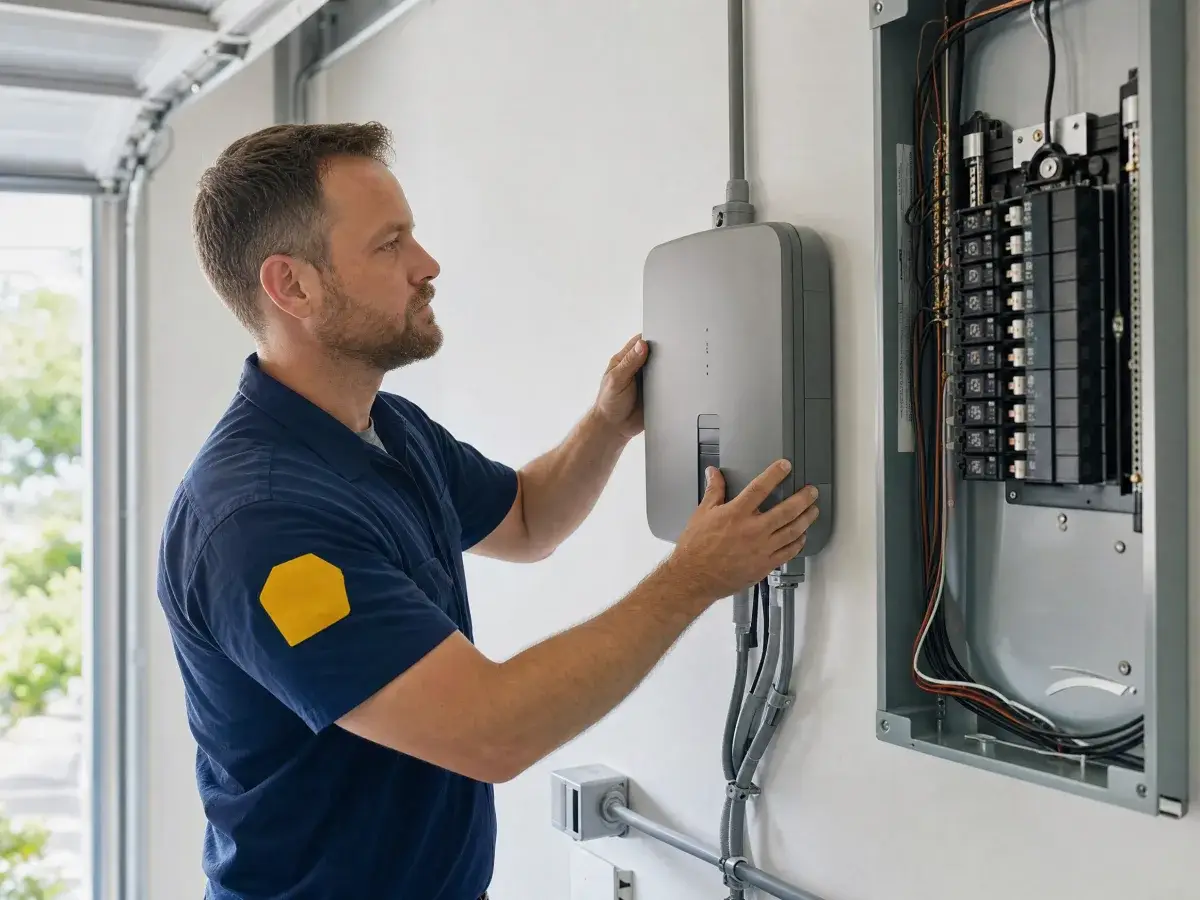
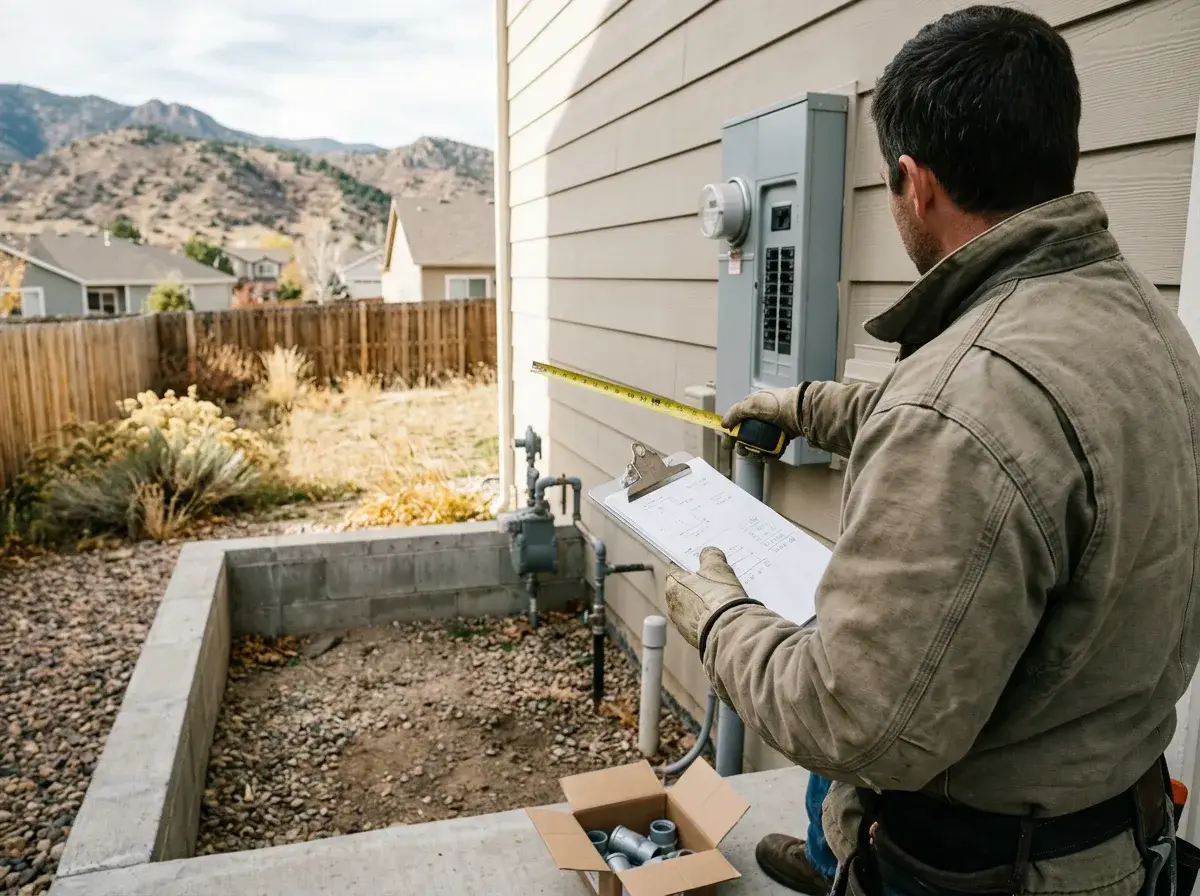
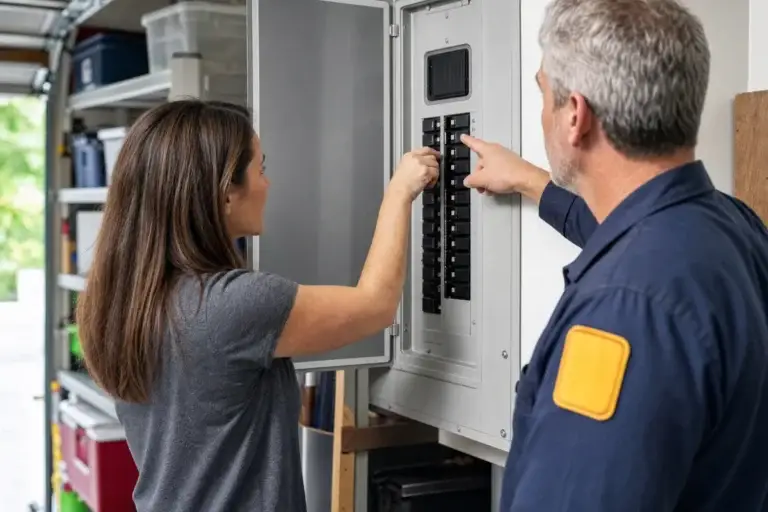
Most of this gets sorted at the site visit, not before it. We look at your panel’s spare capacity, walk the yard for a placement that meets clearance requirements, and ask what you actually want powered during an outage. If you’re leaning toward propane instead of natural gas, that changes the plan too, since a propane system means a tank on the property that needs to stay filled rather than a line that never runs out. We bring the load calculation, the placement rules and the permit process to the table, and you tell us how your household actually uses the power. That conversation determines whether a whole-house unit or a smaller essential-circuits system fits your address.
Once we’ve walked the panel, the yard and the gas or propane question, you get a written price and a clear scope before any equipment is ordered. That price accounts for the transfer switch, the wiring back to your panel, and the permit and inspection work, so there’s no guessing later about what’s included. Whole-house standby installs in the Denver metro commonly run $9,000 to $20,000 depending on size and gas work, though your exact price is confirmed in writing after we see your home. If your panel needs an upgrade first, we say so at that stage rather than after the generator has arrived. Centennial permits go through the city, and we handle scheduling those inspections directly so you’re not chasing down an inspector. Whether your household needs a full whole-house standby system or a simpler portable setup, the goal is the same: a generator that starts reliably and matches how your home runs when the power goes out. If a storm left you without power longer than you’d like last winter, now is a good time to get it planned.
If you’re ready to talk through generator options for your Centennial home, call (720) 555-0142 and we’ll set up a site visit to look at your panel, your yard and your gas supply. You can also reach out through our contact page and we’ll follow up to schedule a time that works.
Get $50 off electrical repairs of $500 or more. Limit one per customer. Not valid with other offers.
Get $100 off electrical panel replacement. Limit one per customer. Not valid with other offers.
Get $45 off EV charger installation. Limit one per customer. Not valid with other offers.
Get 10% off your electrical service needs. Maximum discount $100. Limit one per customer.
Here are questions we hear often from Centennial homeowners planning a generator installation.
Yes. Electrical work needs a permit and inspection, and a natural gas connection needs one as well. Permits for Centennial properties go through the city. We pull them, schedule the inspections, and meet the inspector so you don’t have to manage that part yourself.
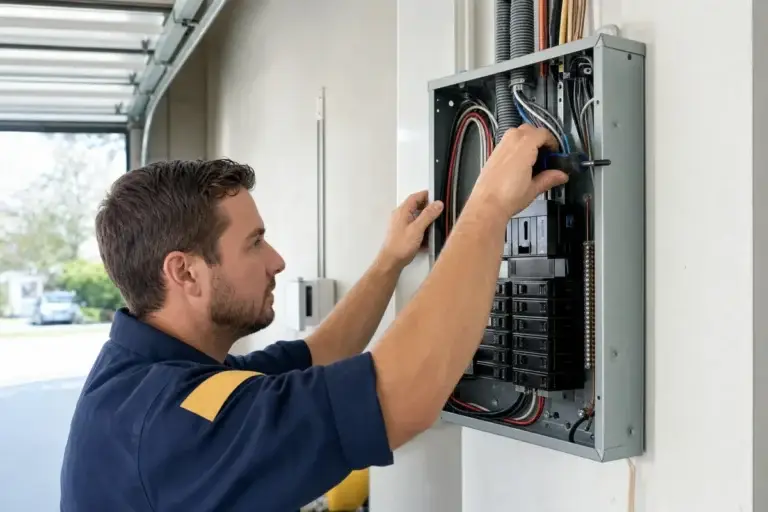
It depends on how much spare capacity and bus space the panel has. Many homes here have panels from the 1970s or 1980s that are full or worn. We check this at the site visit and tell you plainly if an upgrade is needed first.
It depends on what you want to keep running and how much surge those loads need at startup. Air conditioners and well pumps draw far more power starting up than running steady. We size the generator and transfer switch around your actual loads during the visit.
If your Centennial home already has natural gas with enough meter capacity, it’s usually simpler since it never needs refilling. Propane works where gas service isn’t available, but it means keeping a tank filled on your property.
Once the pad is set and permits are issued, most standby installs take one to two days on site. Generators themselves can have longer lead times to arrive, so we give you an honest schedule once your unit is ordered.
Many Centennial neighborhoods have HOA rules about generator placement and screening. We settle those questions before ordering equipment, since reordering a pad or unit after delivery costs time you don’t want to lose during storm season.
It can be, especially if outages on your street tend to be short and someone is usually home to start it. We wire in a proper inlet and interlock or transfer switch, which is far safer than a cord plugged into an outlet.