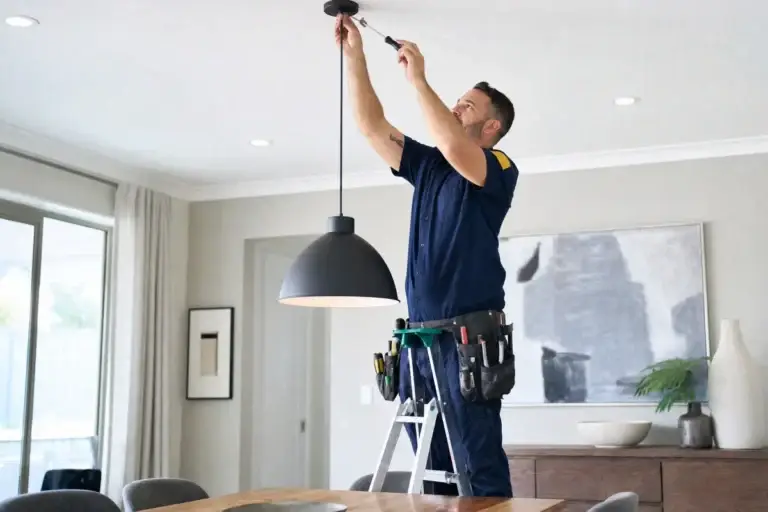
Standby and portable generator installation for Englewood homes, sized to your panel, your lot and the outages you actually experience.
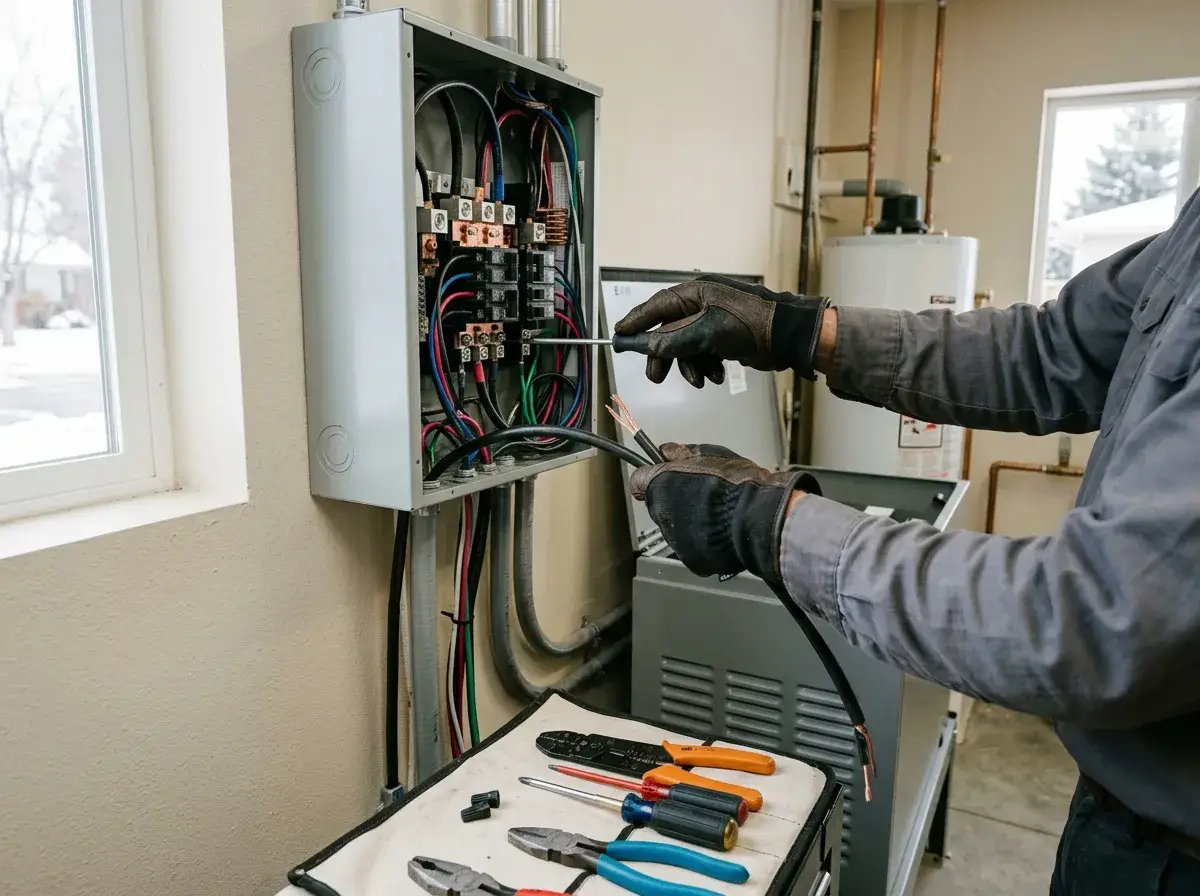
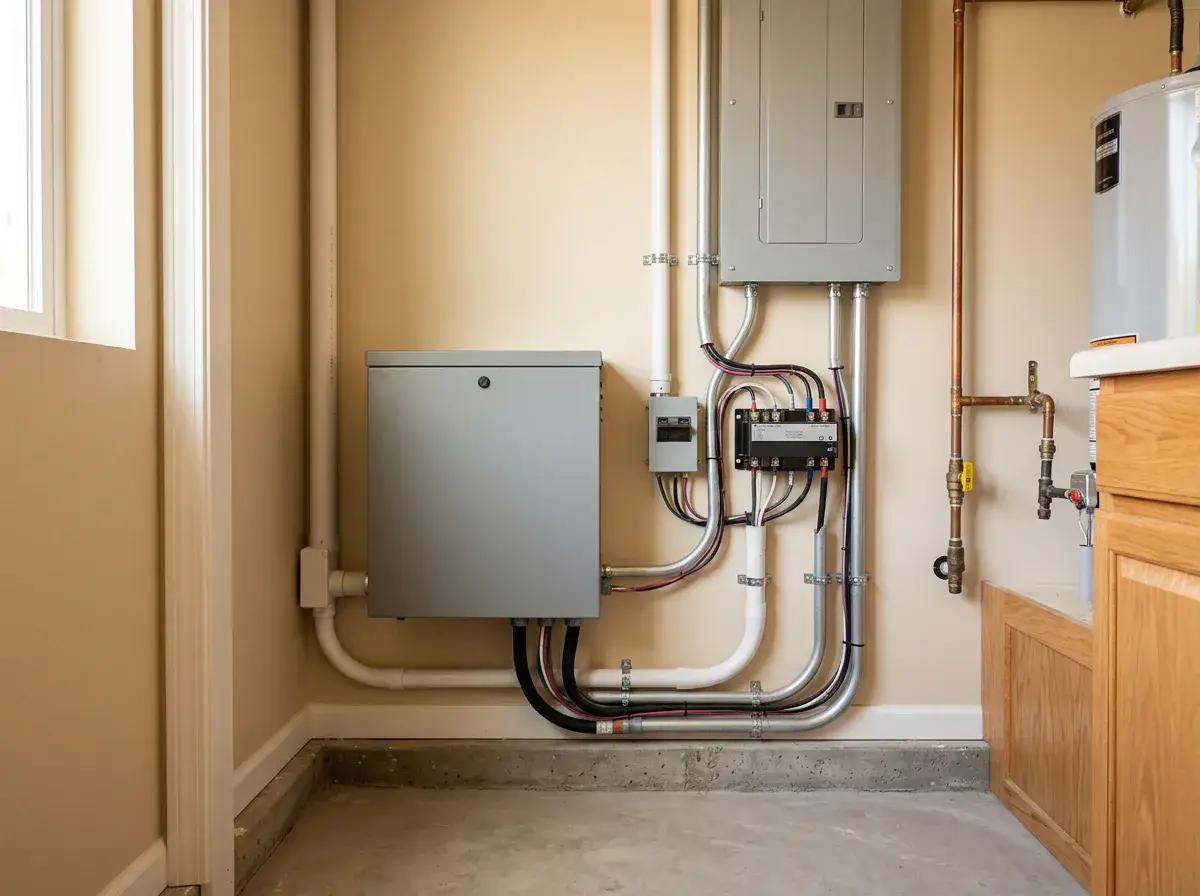
Englewood’s older bungalows and ranch houses were not built with backup power in mind, and that shapes how a generator installation actually goes here. Many of these lots are narrow, garages sit near the alley, and the panel is often tucked in a basement corner far from where a standby unit would sit outside. That distance changes the cost of the wire run and where the transfer switch lands. Some homes still carry a smaller panel that needs attention before a transfer switch can be added cleanly, which is a step we check on every visit rather than after the fact. Northgate Electric installs both whole-house standby systems and portable generator hookups across Englewood, and every job starts the same way: a look at your panel, your gas or propane setup, and what you actually need powered when the grid goes down. We size the system to your household, not to the biggest unit on a truck. A site visit lets us measure the run from the meter to a legal pad location, check clearances from windows and vents, and give you a written price before anything is ordered. You can read more about how we approach this work across the metro on our generator installation page, or see our full background on the about page.
These are the situations that most often bring an Englewood homeowner to us looking for backup power:
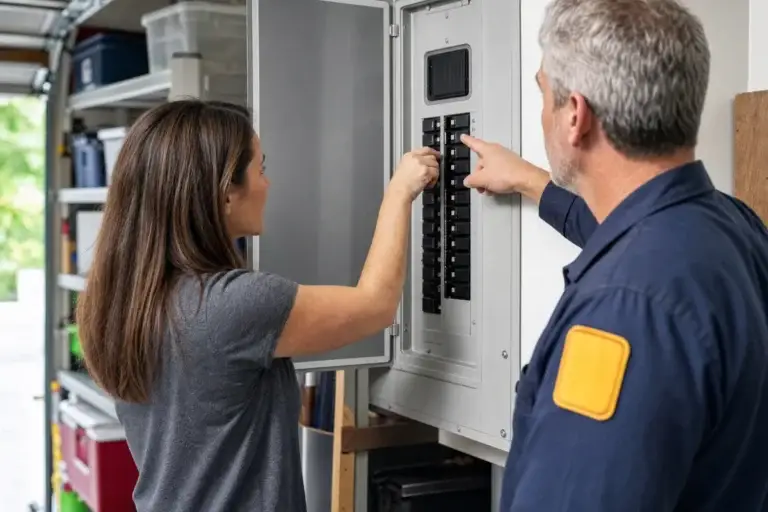
Each of these points to a different answer, and that is the point of the visit. A basement that floods is usually the strongest case for a standby unit that starts on its own, since nobody has to be home to run an extension cord in a storm. A home office or a business run from the house often leads the same direction, because the cost of a lost workday adds up fast. Medical equipment changes the math again: it needs power that starts within seconds, not minutes, which rules out some portable setups entirely. A block with short, frequent outages sometimes only needs a modest essential-circuits system rather than a unit sized to run the whole house. We walk through these scenarios with you at the panel, not over the phone, because the size of your service, the age of your wiring and the layout of your lot all affect which option actually fits. An undersized or outdated panel is common enough in Englewood’s older housing stock that we check it before quoting anything else.
Englewood’s older lots were platted for small houses and detached garages, not for the clearances a standby generator’s manufacturer requires around windows, doors and vents. On some properties the only workable spot is along a side yard barely wide enough for a walking path, and on others the gas meter or the electrical service sits on the wrong side of the house entirely. We measure these constraints on the first visit rather than guessing from a photo, because moving a generator pad six inches can be the difference between a code-compliant install and one that fails inspection. Alley-facing garages complicate things further. A garage that already runs on a thin overhead feeder often needs that feeder upgraded before it can share power with a transfer switch, and we look at that at the same time so you are not paying twice to open the same trench. HOA rules in some Englewood blocks also affect screening and placement, so we settle on a location that satisfies the manufacturer, the city inspector and, where it applies, the HOA, before ordering equipment. None of this is unusual work for us, but it does mean the plan for a bungalow on a small lot looks different from the plan for a newer infill house nearby, and we treat each one on its own terms rather than applying a standard layout.
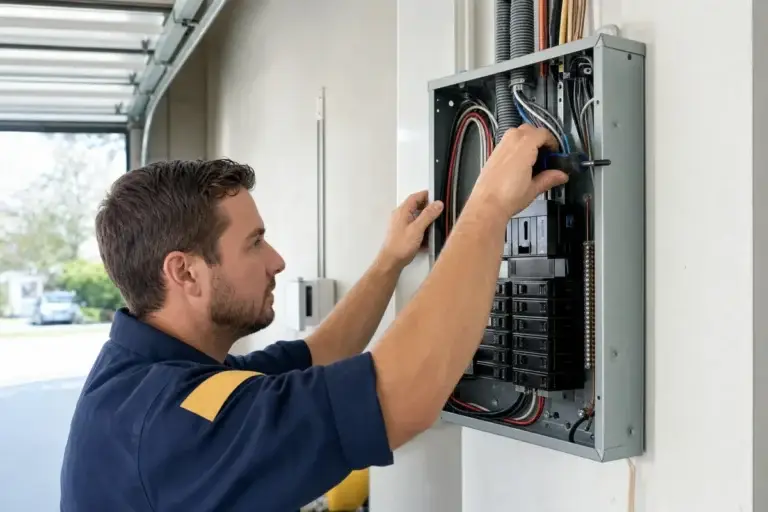
A standby generator needs enough gas supply to run alongside your furnace and water heater without starving any of them, and that is where an older Englewood house sometimes surprises people. A meter and line sized decades ago for a smaller furnace and a gas range may not have the capacity a generator adds on top, so we coordinate with your gas utility early rather than discovering the shortfall after the unit arrives. The electrical side has its own version of the same problem. Homes that still carry a fuse box or an early breaker panel with no spare capacity cannot simply accept a transfer switch, because the switch needs its own breaker space and a service that can carry the added load safely. In those cases a panel upgrade comes first, and we sequence that work so the generator installation follows cleanly rather than being bolted onto a system that was already stretched thin. We check the grounding and the service entrance at the same time, since a new transfer switch is only as reliable as the panel it connects to. Getting this order right the first time keeps the project on schedule and avoids the kind of rework that costs money and delays the inspection your generator ultimately needs to pass.
Lights that flicker grab your attention fast. You try the switch again and…
Light switches look simple, but a switch that quits can mean there is a…
From storms to grid shifts, surges arrive without warning and can damage…
Smart home upgrades appeal to people because they save time and cut down…
Many homeowners reach out for an inspection because their breaker trips when…
When a major appliance shuts off in the middle of running or trips…
Ceiling fans make a room comfortable without running the air conditioning as…
Smoke alarms save lives, and they only work when the sensors inside them…
Electric vehicles have moved from a rare sight to something you see on…
Smart doorbells add convenience and peace of mind. You can see who is…
Every outlet and switch in the house leads back to the panel. When…
An electrician can spot what the untrained eye cannot see. There may be…
Homeowners do a lot of research before committing to a remodel or new…
Switches, breakers, and outlets handle power day in and day out. Outlets…
Power outages hit harder in Colorado than in many places. A fast change…
A room with thoughtful lighting is clear, usable, and enjoyable to work in…
Upgrading the lighting in a commercial space sounds simple at first. In…
Colorado evenings are best on a deck with lighting that lets you…
With the right lighting, a yard that disappears at night becomes a place…
A generator keeps your home running when the grid fails, but a whole-house surge protector guards the same panel against the spike that often comes right when power returns. Englewood’s older services can be more sensitive to that return surge than a modern one, so pairing the two jobs protects the appliances and electronics a generator was installed to keep alive in the first place…
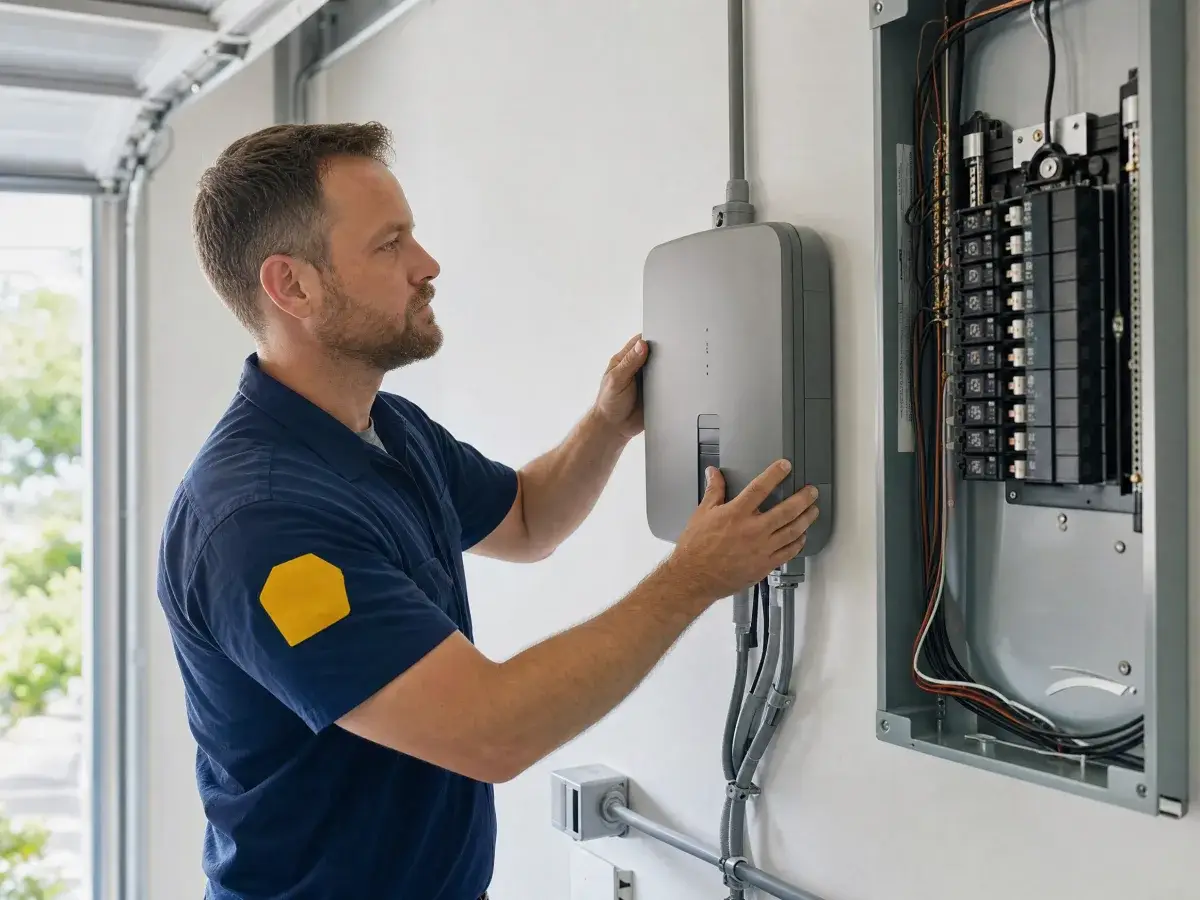
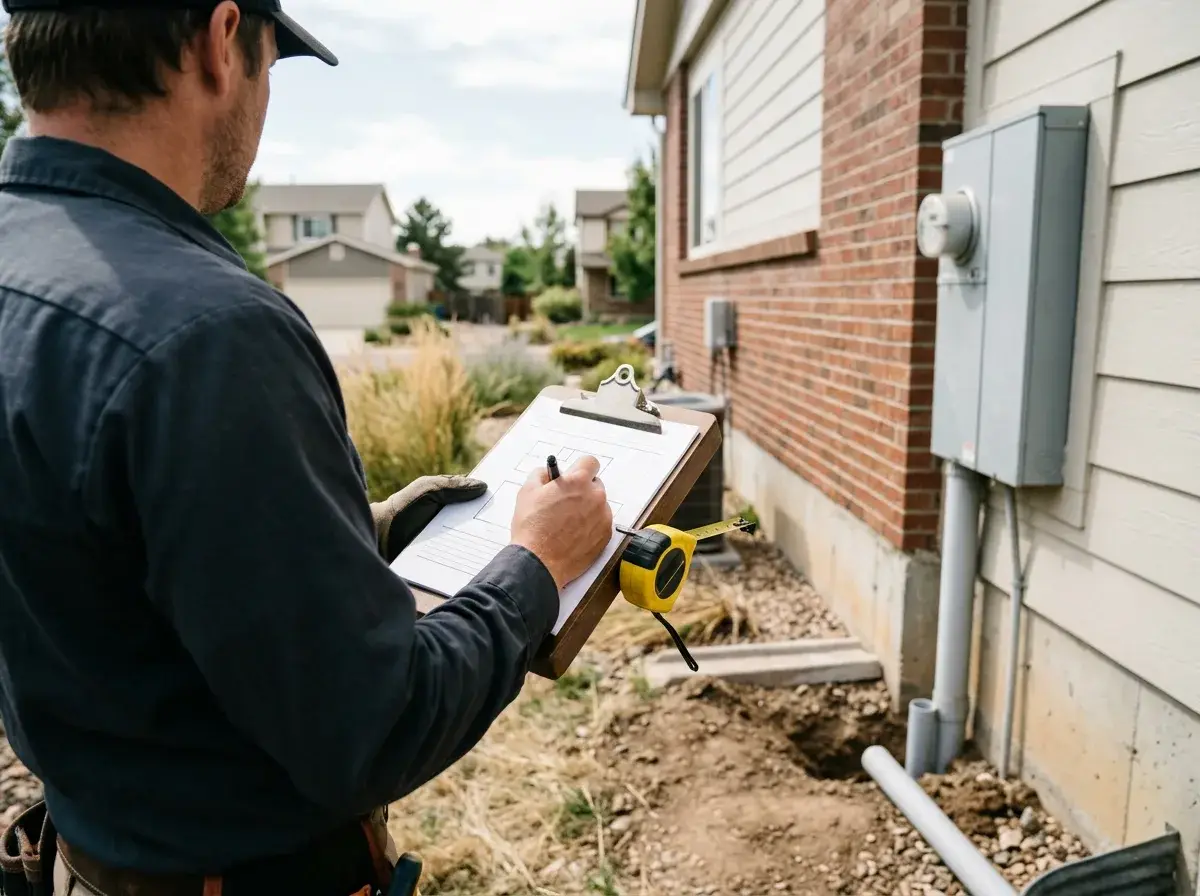
Every generator installation in Englewood needs an electrical permit, and if it is a standby unit, the gas connection is permitted separately as well. We handle both, scheduling the inspections and meeting the inspector on site so you do not have to track down paperwork or wait around for a window that never gets confirmed. Because Englewood is its own city with its own building department, the process runs a little differently than a Denver address, and we know which office to call and what that office expects to see on the plan before it signs off. This step matters most on older homes where the panel or gas meter needs upgrading first, since the permit sequence follows the physical work rather than the other way around.
Once the permit is issued and the equipment is ordered, most standby installations take one to two days on site to set the pad, run the wire and gas line, and wire in the transfer switch. Lead time on the generator itself can add several weeks, so we give you a realistic schedule before you commit rather than after. Portable generator setups move faster, usually a single visit to install the inlet and interlock or transfer equipment, since there is no pad or gas line involved. Whichever route fits your house, we walk you through the controller, the exercise schedule and what routine maintenance the unit will need before we consider the job finished. If you are still deciding whether your Englewood home needs a generator at all, we will tell you honestly if a smaller fix, like surge protection or a panel upgrade, solves the actual problem instead. Call us to schedule a visit and get a written price for your specific house.
If you are ready to talk through a generator for your Englewood home, call (720) 555-0142 and we will schedule a visit to look at your panel, your lot and your gas or propane supply. You can also reach out through our contact page and we will follow up to set a time that works for you.
Get $50 off electrical repairs of $500 or more. Limit one per customer. Not valid with other offers.
Get $100 off electrical panel replacement. Limit one per customer. Not valid with other offers.
Get $45 off EV charger installation. Limit one per customer. Not valid with other offers.
Get 10% off your electrical service needs. Maximum discount $100. Limit one per customer.
Here are questions Englewood homeowners commonly ask us before scheduling a generator installation.
Yes. The electrical connection needs a permit and inspection through Englewood’s building department, and a standby unit’s gas connection is permitted separately. We pull both permits, schedule the inspections and meet the inspector, so nothing falls on you to track down.
It depends on the panel’s age and remaining capacity. Many of Englewood’s older homes still have a fuse box or a small early panel with no open slots. In those cases we recommend a panel upgrade first, then install the transfer switch cleanly once there is room.
Placement follows the manufacturer’s clearance rules around windows, doors and vents, plus any HOA screening requirements. On tighter lots we sometimes have one workable location. We identify that spot during the site visit before ordering equipment.
Installed whole-house standby systems in the Englewood area commonly run $9,000 to $20,000, depending on generator size, transfer switch, distance to the panel and any gas line work. The exact price is confirmed in writing after we see the home.
Yes, an inlet and interlock or transfer switch for a portable generator costs far less than a full standby system, since there is no pad, gas line or automatic starting equipment involved. It does mean someone has to be home to start it during an outage.
It can, especially if the garage already has a subpanel or a feeder large enough to share load. If your garage still runs on a thin single feeder, we look at upgrading it at the same time so the whole property is covered properly.
We look at what an outage actually costs you: a basement sump pump, medical equipment, a home office, or how often your block loses power for hours rather than minutes. If none of that applies, we will say so honestly rather than sell you a system you do not need.