Whole-house standby and portable backup power planned, permitted and installed for Greenwood Village homes, so an outage doesn’t become an emergency.
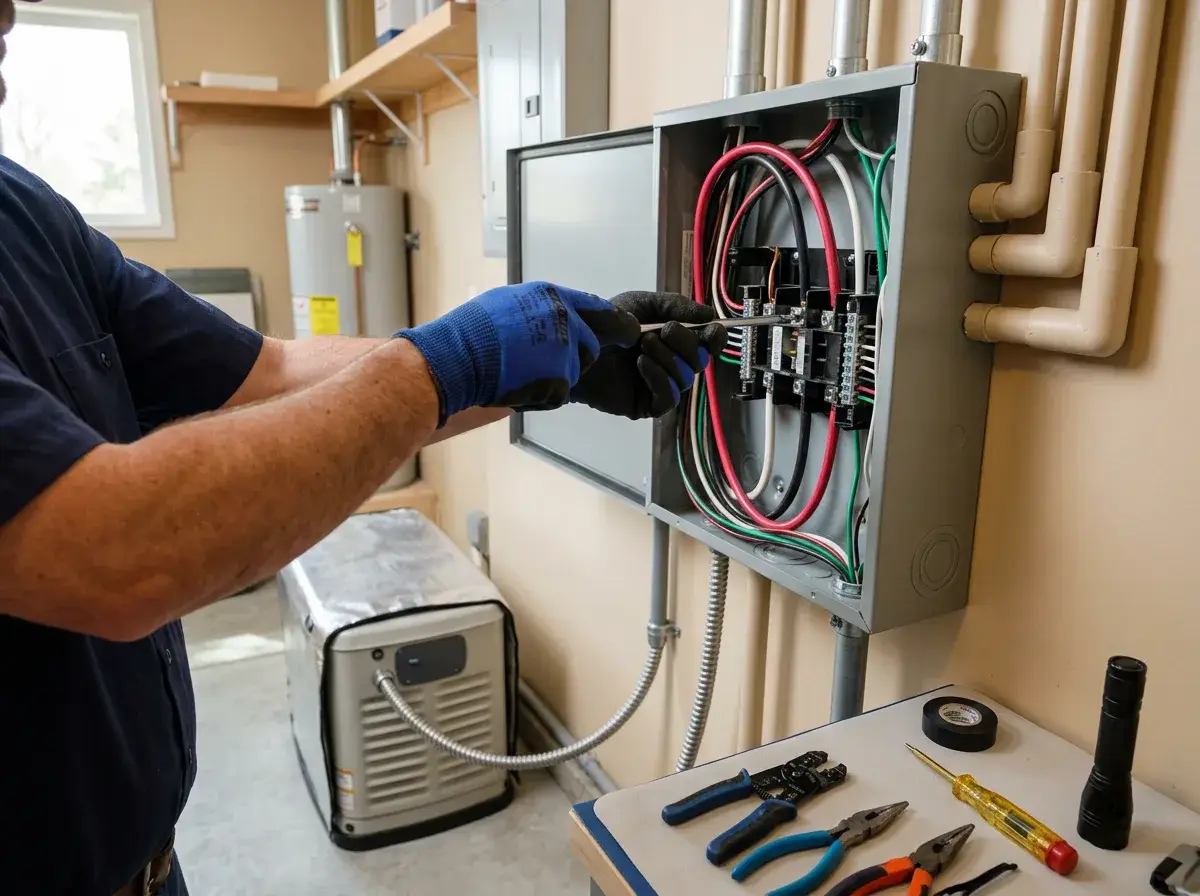
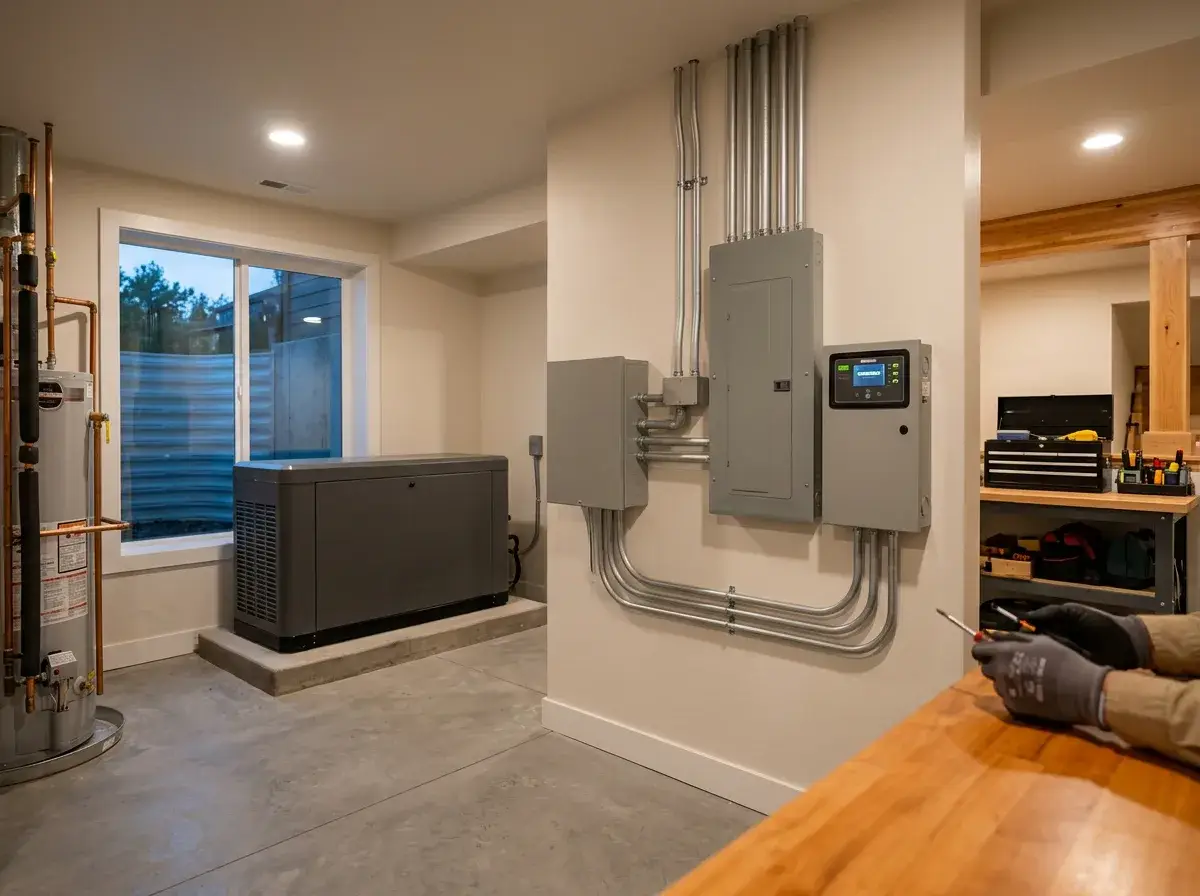
Greenwood Village mixes quiet residential lots with mature trees and long driveways alongside custom homes near the Denver Tech Center, and both types of property have their own generator challenges. A large lot often means the panel sits far from where a standby unit can go, so conductor length and trenching become part of the plan. Custom homes remodeled over the years frequently have a panel that is already crowded, which changes whether a transfer switch fits cleanly or a subpanel needs to come first. Northgate Electric starts every generator project the same way: a visit to look at your panel, your gas service if you’re considering a standby unit, and the loads you actually want protected during an outage. From there we size the generator and transfer equipment, not the other way around. You can read more about our approach to generator installation across the metro, or see how we work with homes throughout Greenwood Village more broadly. We pull the electrical permit through the city, coordinate the gas connection when needed, and schedule inspections so you’re not chasing paperwork. Greenwood Village issues its own permits separately from Denver, and many neighborhoods have HOA rules about where equipment can sit, so we settle those questions before ordering anything.
These are the situations that most often bring Greenwood Village homeowners to us for generator installation:
Each of these points to a different generator setup rather than a single default answer. A basement that floods without power usually pushes a household toward a standby unit that starts automatically, since nobody wants to be home flipping switches during a storm. A home office or business, by contrast, cares more about uptime during business hours than about total house coverage, so a right-sized system with the office and a few key circuits can make sense without paying for whole-house capacity. Medical equipment changes the calculation again, because the tolerance for delay is close to zero, which usually rules out a portable unit that needs someone to start it. And on the larger, HOA-governed lots common in Greenwood Village, we check screening and setback rules early, since a generator ordered before placement is approved can mean a return trip and a delay. We walk through all of this at the site visit before recommending a system, rather than defaulting to whichever unit is easiest to sell.
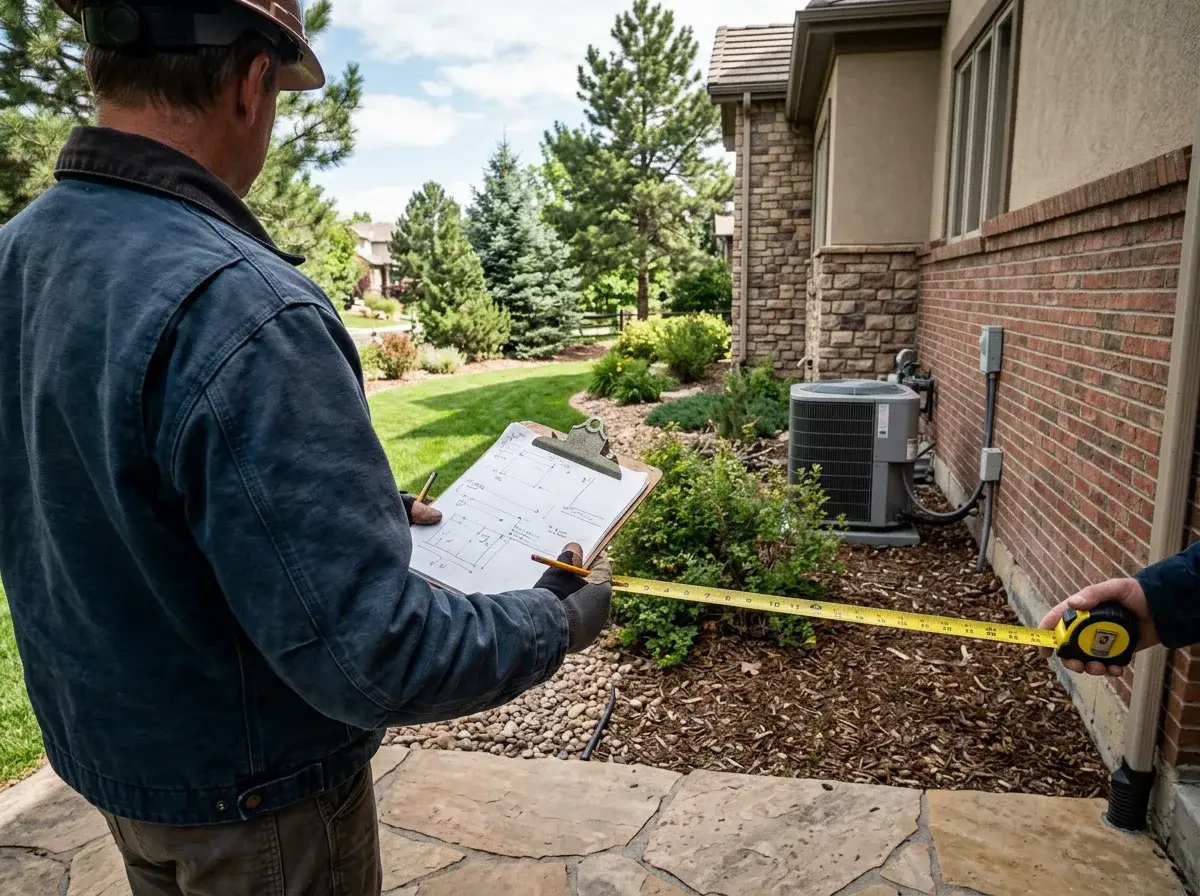
Many Greenwood Village properties sit on lots larger than what you’d find closer to central Denver, with more distance between the house, the gas meter and the property line. That extra space is usually an advantage for generator placement, since it’s easier to find a spot that satisfies clearance rules from windows, doors and vents without crowding a patio or a garden bed. It also means longer conductor runs from the transfer switch to the panel, and sometimes a longer gas line run to the generator, both of which affect the cost of the job more than the generator itself does. Mature landscaping is common here too, and established trees or shrubs sometimes sit exactly where a pad would go, so part of the site visit is finding a location that works for the equipment without taking out plantings the homeowner cares about. HOA covenants in many Greenwood Village neighborhoods also set rules on screening, so a generator often ends up behind fencing or plantings that hide it from the street while still meeting the manufacturer’s clearance requirements. We settle placement, screening and the run distance before the generator is ordered, since changing any of that after the fact costs real time and money. Getting this right the first time is most of what separates a smooth install from a frustrating one.
A lot of Greenwood Village houses have been remodeled at least once, sometimes several times, which means the panel behind the generator project isn’t always the panel the house was built with. We often find a panel that’s already full from additions, a finished basement or an EV charger installed later, with no clean spot left for the transfer switch’s connection. In those cases, the honest answer is that a panel upgrade or a subpanel needs to happen first, and we say so plainly rather than forcing a transfer switch into a panel that can’t take it cleanly. If your home has been through a kitchen or basement remodel, we also check whether those newer circuits were tied onto older wiring that’s already carrying more than it should, since that affects what the generator will actually be backing up. For homeowners planning a full remodel and a generator at the same time, doing the panel work first, while walls are already open, is usually the more efficient order. We coordinate directly with your general contractor on timing so the electrical inspection lines up with the rest of the project rather than becoming its own separate headache. None of this is unusual work for us, but it does mean a generator quote for an older, remodeled Greenwood Village home can look different from a quote for new construction, and we explain exactly why before you sign anything.
Lights that flicker grab your attention fast. You try the switch again and…
Light switches look simple, but a switch that quits can mean there is a…
From storms to grid shifts, surges arrive without warning and can damage…
Smart home upgrades appeal to people because they save time and cut down…
Many homeowners reach out for an inspection because their breaker trips when…
When a major appliance shuts off in the middle of running or trips…
Ceiling fans make a room comfortable without running the air conditioning as…
Smoke alarms save lives, and they only work when the sensors inside them…
Electric vehicles have moved from a rare sight to something you see on…
Smart doorbells add convenience and peace of mind. You can see who is…
Every outlet and switch in the house leads back to the panel. When…
An electrician can spot what the untrained eye cannot see. There may be…
Homeowners do a lot of research before committing to a remodel or new…
Switches, breakers, and outlets handle power day in and day out. Outlets…
Power outages hit harder in Colorado than in many places. A fast change…
A room with thoughtful lighting is clear, usable, and enjoyable to work in…
Upgrading the lighting in a commercial space sounds simple at first. In…
Colorado evenings are best on a deck with lighting that lets you…
With the right lighting, a yard that disappears at night becomes a place…
A standby generator keeps your home running through an outage, but it doesn’t protect your electronics from the power surges that often come right before or after one, as the grid comes back online unevenly. Whole-house surge protection installs at the panel and guards everything downstream, from the furnace board to the generator’s own controller…
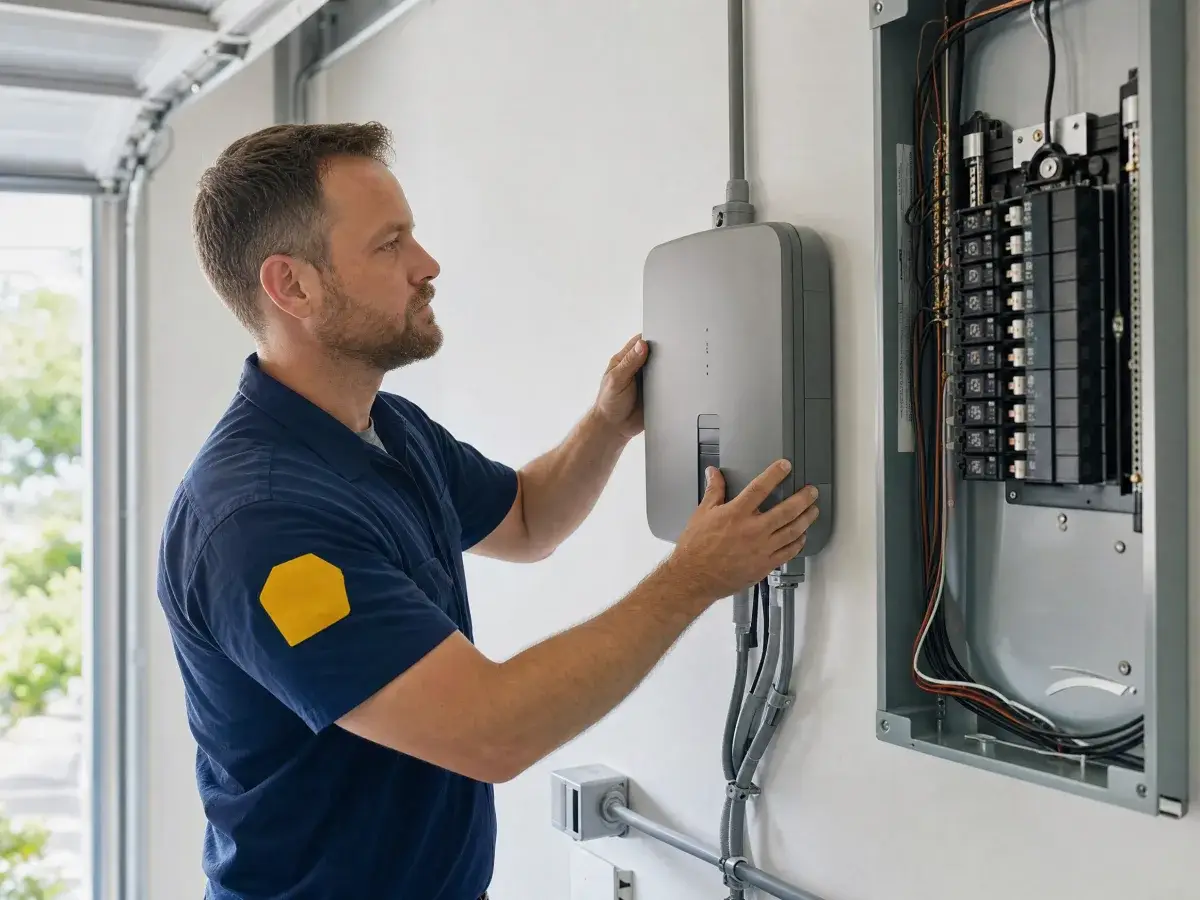
Greenwood Village issues its own building permits, separate from Denver or the county, and a generator installation needs both an electrical permit and, for standby units, a permitted gas connection. Because many neighborhoods here also carry HOA covenants, it’s common for a project to need two approvals rather than one: the city’s inspection and the association’s sign-off on where the unit sits. We’ve found it’s far easier to gather both requirements up front than to move a generator after it’s installed because a covenant was missed. During the site visit we’ll tell you plainly which approvals your specific property is likely to need, based on where it sits and what kind of system you’re considering.
Once placement, permits and sizing are settled, the actual installation for a standby system typically runs one to two days on site, though the generator itself can have a longer lead time depending on the manufacturer, so we give you a realistic schedule before ordering anything. Portable generator setups with an inlet and transfer equipment move faster, often in a single visit, since there’s no pad or gas line to coordinate. Either way, you get a written price after we’ve actually seen your panel, your gas service and your property, not a number quoted over the phone. We handle the permit applications, meet the inspectors on site, and provide your HOA with whatever equipment specifications or site details it asks for. If you’re still deciding whether your home needs a generator at all, that’s a fair question to bring to the site visit too. Call and we’ll walk through it with you before you spend a dollar on equipment.
If you’re ready to talk through generator options for your Greenwood Village home, or you just want an honest read on whether you need one, call Northgate Electric at (720) 555-0142. We’ll schedule a visit, look at your panel and your property, and give you a written price before any work begins. You can also reach us anytime through our contact page to set up a time that works for your schedule.
Get $50 off electrical repairs of $500 or more. Limit one per customer. Not valid with other offers.
Get $100 off electrical panel replacement. Limit one per customer. Not valid with other offers.
Get $45 off EV charger installation. Limit one per customer. Not valid with other offers.
Get 10% off your electrical service needs. Maximum discount $100. Limit one per customer.
Here are the questions Greenwood Village homeowners ask us most often about generator installation.
Yes. A standby generator needs an electrical permit and inspection, and the gas connection is permitted separately. Portable generator inlets usually need a permit too. The city issues these permits itself, and we handle the applications and inspections for you.
Many Greenwood Village associations have rules about equipment location, screening and noise. We provide the equipment specifications and site details your HOA typically asks for, and we settle placement with those rules in mind before anything is ordered.
A standby system usually takes one to two days on site once the pad is set and permits are issued. Generator lead times from the manufacturer can add several weeks before that, so we give you a realistic schedule up front.
It can. Larger Greenwood Village lots sometimes need longer conductor and gas line runs from the generator to the panel and meter, which adds labor and material. We measure the actual distance during the site visit before quoting.
It depends on what you want protected: a sump pump, a furnace, a home office, or the whole house. We calculate your essential loads during the visit and size the generator and transfer equipment to match, rather than defaulting to the largest unit.
Usually, yes, but many Greenwood Village homes have panels that are already full from past additions. If yours is one of them, we’ll tell you honestly whether a panel upgrade needs to happen first before the transfer switch can go in cleanly.
Installed whole-house standby systems commonly run $9,000 to $20,000, depending on generator size, transfer switch, run distance and gas work. Portable inlet setups cost less. The exact price is always confirmed in writing after we see your home.