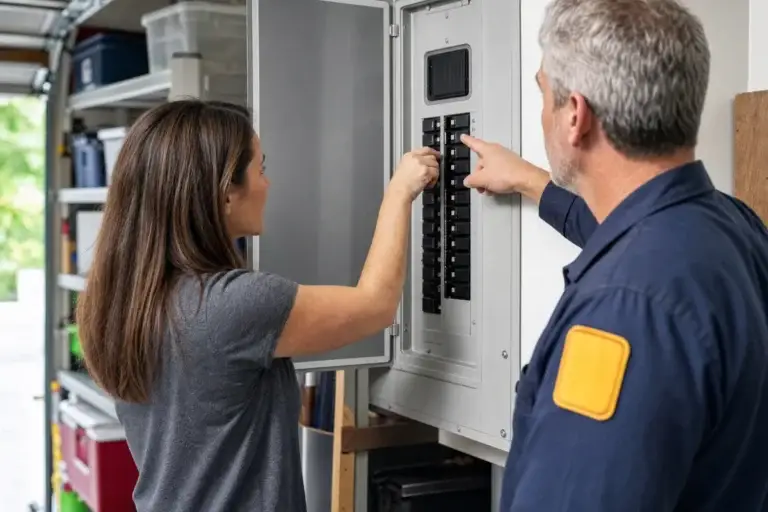
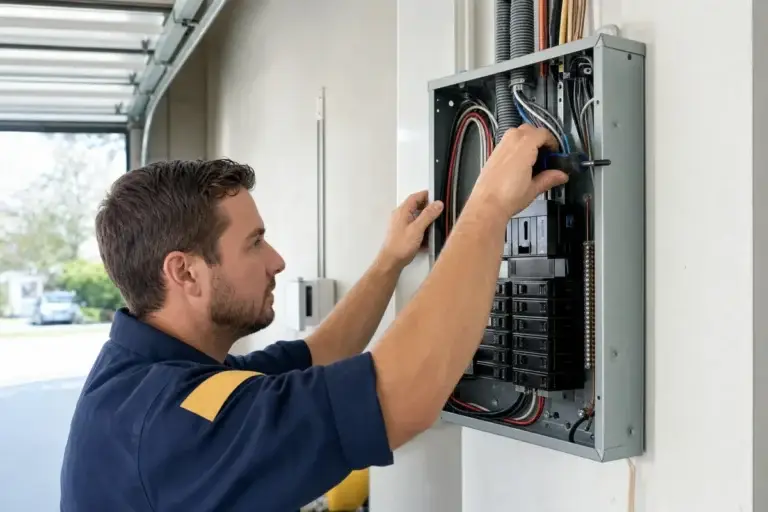
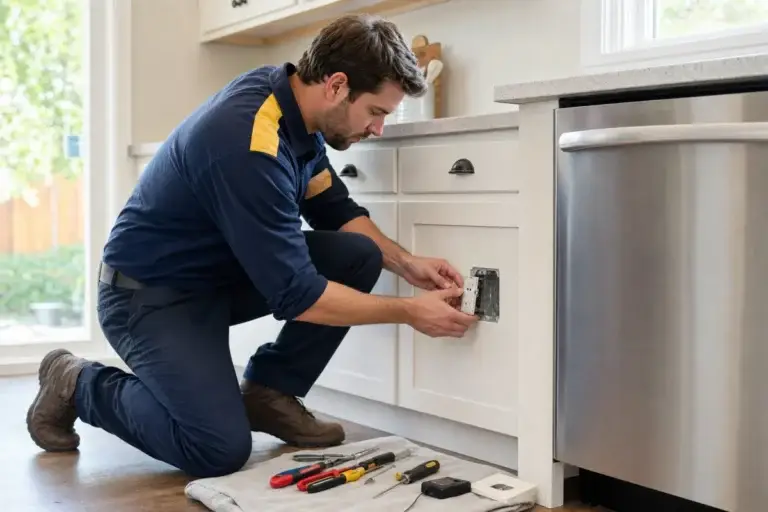
Whole-house surge protection installed at the panel for Highlands Ranch homes, from early Northridge-era construction to newer builds near the toll road.

Highlands Ranch homes span more than forty years of construction, from original phase-one houses to newer two-story builds, and that range matters when you are protecting a house from surges. Older panels were not built with a surge protective device in mind, so fitting one in means checking breaker space and grounding first. Newer homes often carry more electronics per circuit than the builder ever planned for, between EV chargers, smart thermostats and networked everything, which raises the stakes when a surge does get through. Add in the open, exposed lots common on the south end of the community, and summer lightning becomes a real concern for equipment that has no protection at the panel. Northgate Electric installs whole-house surge protection throughout Highlands Ranch and the wider Denver metro, and every visit starts with a look at your panel, your grounding system, and what is actually plugged in around your house. We explain what we find in plain terms, give you a written price before any work begins, and pull the permit when the county requires one. You can read more about how we operate on our about page. Most installations take one to two hours, with a short power outage while we work at the panel, and we test the device before we leave so you know it is doing its job.
These are the situations that most often lead a Highlands Ranch homeowner to call about surge protection:
None of these signs are dramatic on their own, which is exactly the problem. A furnace board that fails at year eight instead of year fifteen looks like bad luck, not a wiring issue, so most homeowners never connect it to the small surges that happen every time a big motor in the house cycles on. Old power strips are just as deceptive, since many keep passing power for years after their protection components have worn out, so the strip looks fine while doing nothing. When new equipment is going in, we look at surge protection at the same time rather than as an afterthought, since a fresh EV charger or heat pump is exactly the kind of expensive, electronics-heavy load worth protecting from day one. Our approach starts with the panel and the grounding system, because a surge protector is only as good as the ground it can send excess voltage to. From there we talk through what else in the house deserves point-of-use protection, and we are honest when a symptom, like lights that flare and dim together, points to a different problem entirely.
Before we recommend a whole-house surge protective device, we open the panel and see what we are working with. In first-phase Highlands Ranch homes, panels are often original and already crowded, sometimes with a basement finish or two added over the decades, and there may not be an open breaker space waiting for a surge device. In that case we look at whether a small subpanel or a different connection point solves the problem without a full panel swap. Mid-era homes from the 1990s tend to have more room but can still be tight if a hot tub, a workshop or a finished basement claimed the last few spaces. Newer homes usually have breaker space to spare, but we still check the math, since an EV charger and a heat pump added within a year or two of each other can use up capacity fast. Grounding gets equal attention. A surge device depends on a solid path to ground, and ground rods or bonding connections that have loosened or corroded over the years reduce how well the device can do its job. We check that connection on every visit, not just when something looks obviously wrong, because a surge protector installed on a weak ground gives a false sense of security. If your panel is due for other work, our electrical panel upgrade page covers what that involves.
Summer storms across the Denver metro send surges into homes in two ways: directly, when lightning hits a nearby line or transformer, and quietly, in the moment power snaps back on after an outage. Neither one requires a direct hit on your house to do damage, and a whole-house device at the panel is what catches both before they spread through your branch circuits. It will not stop a direct strike on the house itself, and unplugging irreplaceable electronics during a severe storm is still worth doing, but for the far more common nearby strikes and utility switching, a properly installed device does real work. Surges also travel on cable, phone and data lines, which is why a television or router can fail even when the electrical side of the house was protected the whole time. We can recommend point-of-use protection or a whole-house device with data-line coverage depending on what you have connected. For homeowners comparing options, our surge protection installation page walks through the different device types in more detail, and if your real complaint is flickering rather than failed equipment, that is usually a wiring issue we cover separately on our flickering light repair page. Either way, we start with a look at your specific panel and circuits rather than assuming.
Lights that flicker grab your attention fast. You try the switch again and…
Light switches look simple, but a switch that quits can mean there is a…
Power outages hit harder in Colorado than in many places. A fast change…
Smart home upgrades appeal to people because they save time and cut down…
Many homeowners reach out for an inspection because their breaker trips when…
When a major appliance shuts off in the middle of running or trips…
Ceiling fans make a room comfortable without running the air conditioning as…
Smoke alarms save lives, and they only work when the sensors inside them…
Electric vehicles have moved from a rare sight to something you see on…
Smart doorbells add convenience and peace of mind. You can see who is…
Every outlet and switch in the house leads back to the panel. When…
An electrician can spot what the untrained eye cannot see. There may be…
Homeowners do a lot of research before committing to a remodel or new…
Switches, breakers, and outlets handle power day in and day out. Outlets…
From storms to grid shifts, surges arrive without warning and can damage…
A room with thoughtful lighting is clear, usable, and enjoyable to work in…
Upgrading the lighting in a commercial space sounds simple at first. In…
Colorado evenings are best on a deck with lighting that lets you…
With the right lighting, a yard that disappears at night becomes a place…
A whole-house generator and a whole-house surge protector solve two different problems that often show up together after a Front Range storm: the outage itself, and the surge that can hit your system the moment power returns. Homes adding a generator are already opening up the panel, which makes it a practical time to add surge protection at the same…
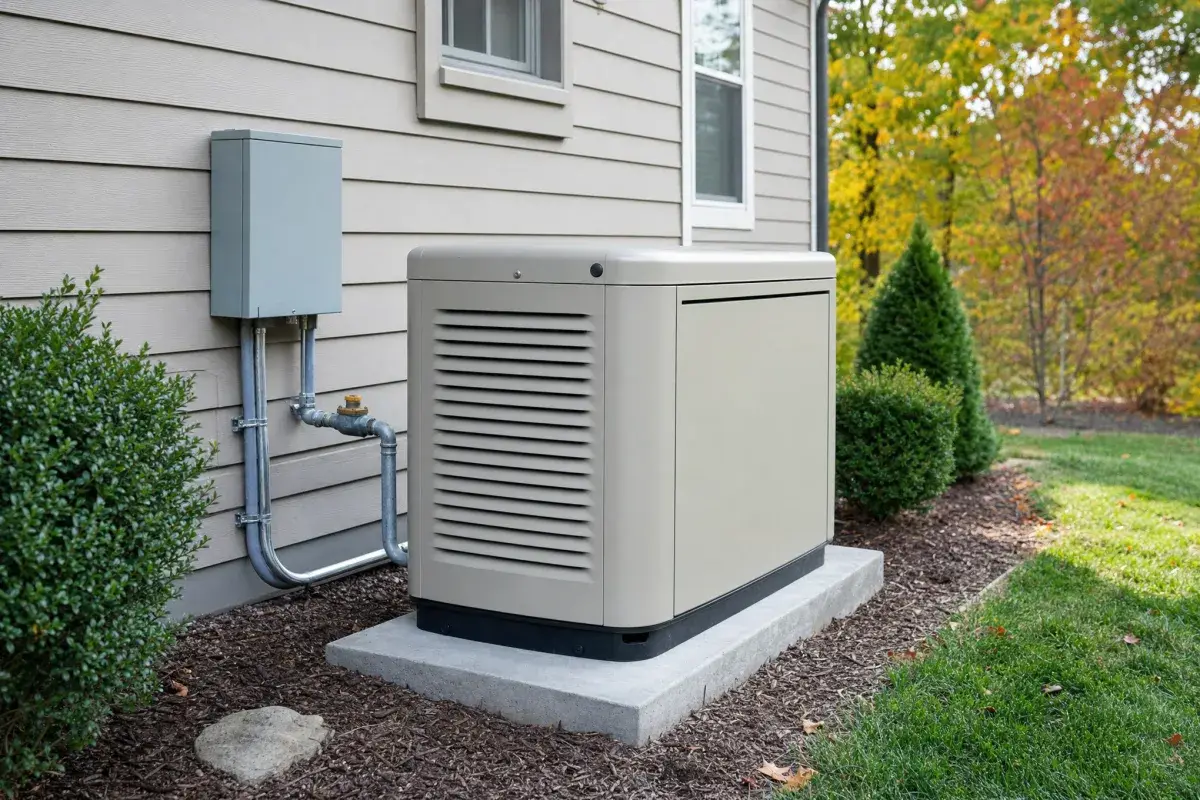

Planning starts with the panel, since that determines whether the job is a straightforward breaker addition or something that needs a subpanel first. We also ask about upcoming projects, because adding surge protection at the same time as a panel upgrade, an EV charger installation or a generator hookup saves a second visit and a second outage. If you are in a Highlands Ranch neighborhood with its own HOA covenants and the surge device is paired with exterior equipment like a generator, we can help you understand what design review is likely to ask for before work begins. None of this needs to be complicated, but it does need a real look at your specific panel rather than a guess over the phone.
Once we have seen the panel and talked through what you want protected, we put together a plan that covers the device itself, any panel work it requires, and point-of-use protection where it makes sense. Pricing for a whole-house surge protector installed at the panel commonly runs from about $300 to $800 depending on the device and how much room the panel has, and the exact price is confirmed in writing after we see the home. If Douglas County requires a permit for the work at your Highlands Ranch address, we handle that too, along with scheduling the inspection so you are not chasing paperwork on your own. Most jobs are done in one to two hours with a short outage while we work, and we test the device before we pack up so you can see it is functioning. If your panel turns out to need more than a breaker slot, we will tell you plainly and lay out the options rather than surprise you later. Call us to get a plan started for your Highlands Ranch home.
If you are ready to talk through surge protection for your Highlands Ranch home, call Northgate Electric at (720) 555-0142 and we will schedule a visit to look at your panel. You can also reach out through our contact page and tell us a bit about your home, and we will follow up with next steps and a written price before any work begins.
Get $50 off electrical repairs of $500 or more. Limit one per customer. Not valid with other offers.
Get $100 off electrical panel replacement. Limit one per customer. Not valid with other offers.
Get $45 off EV charger installation. Limit one per customer. Not valid with other offers.
Get 10% off your electrical service needs. Maximum discount $100. Limit one per customer.
Here are answers to the questions Highlands Ranch homeowners ask most often about surge protection installation.
Sometimes. Highlands Ranch permits go through Douglas County, and whether a permit applies depends on the scope of the electrical work at your panel. When one is needed, we handle the application and schedule the county inspection so you do not have to.
Often yes, but we check first. Some original Highlands Ranch panels are already full or have grounding that needs attention before a device can be added safely. We look at both before recommending anything.
We serve Highlands Ranch as part of the greater Denver metro, and urgent problems are usually seen the same day. For a planned surge protector installation, we will find a visit time that works for your schedule.
Yes. Lightning striking nearby lines or transformers can send a surge into your house without ever hitting the building, and a device at the panel catches that before it reaches your appliances and electronics.
Installed at the panel, it commonly runs from about $300 to $800, depending on the device and how much panel work is needed. The exact price is confirmed in writing after we see your panel in person.
Yes, and it often makes sense to. If you already need panel work, adding a whole-house surge protector then avoids a second shutdown and a second visit, and current code requires it when a service is replaced.
For sensitive electronics, yes. A whole-house device protects your hardwired equipment and every branch circuit, but a good point-of-use strip adds a second layer for a TV, computer or networking gear near you.