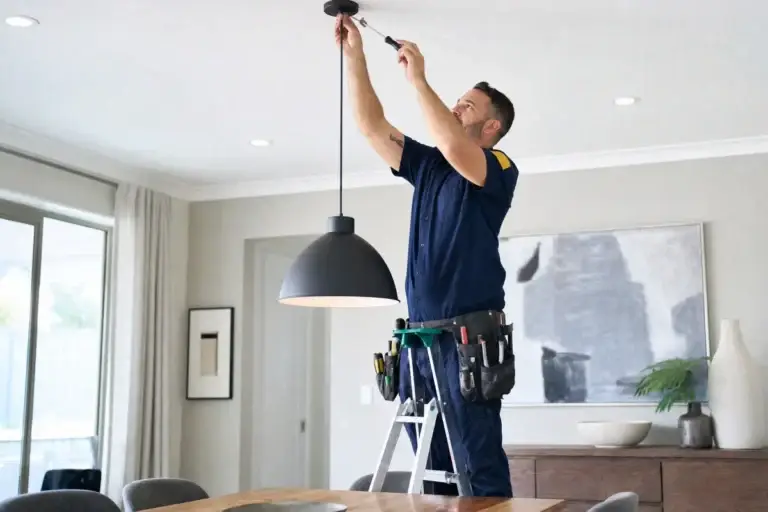
Standby and portable generator installation for Lone Tree homes, sized to what actually matters when the power goes out.
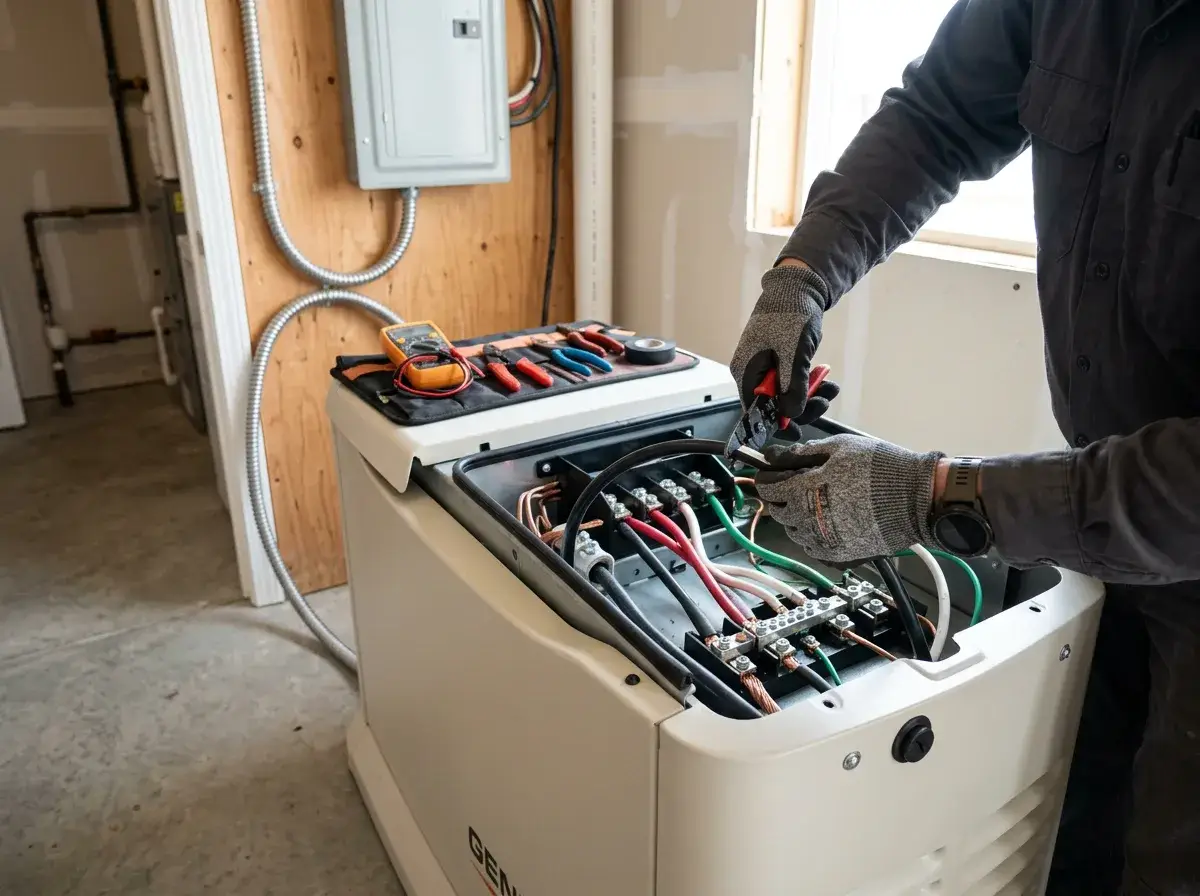
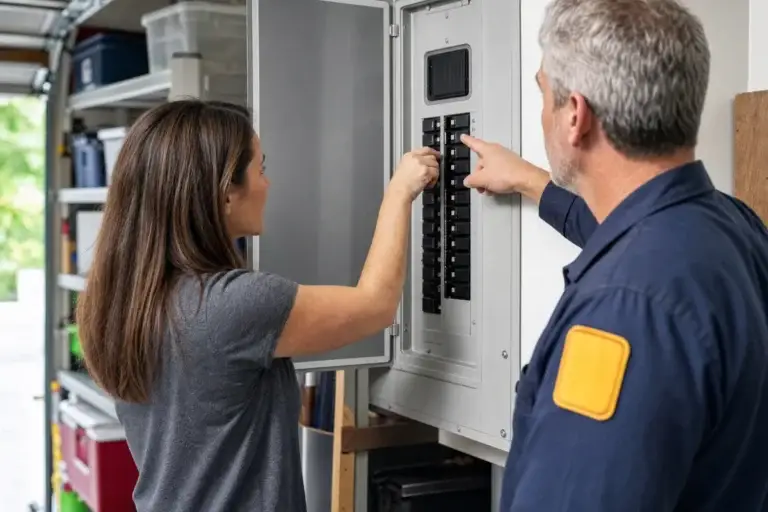
Lone Tree’s neighborhoods are mostly newer, built from the 1980s onward, with two-story homes, walkout basements on sloped lots and finished lower levels that depend on a working sump pump. That combination matters when you’re thinking about a generator, because a walkout on a slope handles groundwater differently than a slab home, and a finished basement with a home theater or a bedroom suite has more to lose in a long outage. Homeowners across Lone Tree also deal with spring snow that snaps branches onto lines and summer hail and wind that knock out power for hours at a stretch. Generator installation here is not a generic add-on. It starts with a look at your panel, your gas meter if you’re considering a standby unit, and the specific loads in your house, whether that’s a sump pump, a home office, or central air. Northgate Electric handles the whole job: the load calculation, the transfer switch, the electrical permit, and the inspection. A visit begins with a walk through the house and garage to see what has to keep running, then a written price before anything is ordered, following the same process we describe on our generator installation page for the wider metro. You can read more about how we run jobs on our about page, but the short version for Lone Tree is that we pull the permit, meet the inspector, and walk you through the controller before we leave.
Here are situations that come up often on Lone Tree generator calls:
Each of these points to a different answer, not the same generator for every house. A finished basement with a sump pump usually pushes a household toward a standby unit that starts on its own, because nobody wants to discover the pump died while they were at the office or out of town. A home office or medical equipment situation is similar: the outage that matters is the one nobody is home to manage. Travel adds the same logic from a different angle, since a portable generator only helps if someone is there to run it. An older panel changes the order of the work rather than the outcome. If the bus is full or worn, we look at an electrical panel upgrade before adding the transfer switch, so the new equipment lands on a panel that can actually support it. We walk through these tradeoffs on the first visit, price out the options side by side, and let you choose based on how your household actually uses the house, not on the biggest unit available.
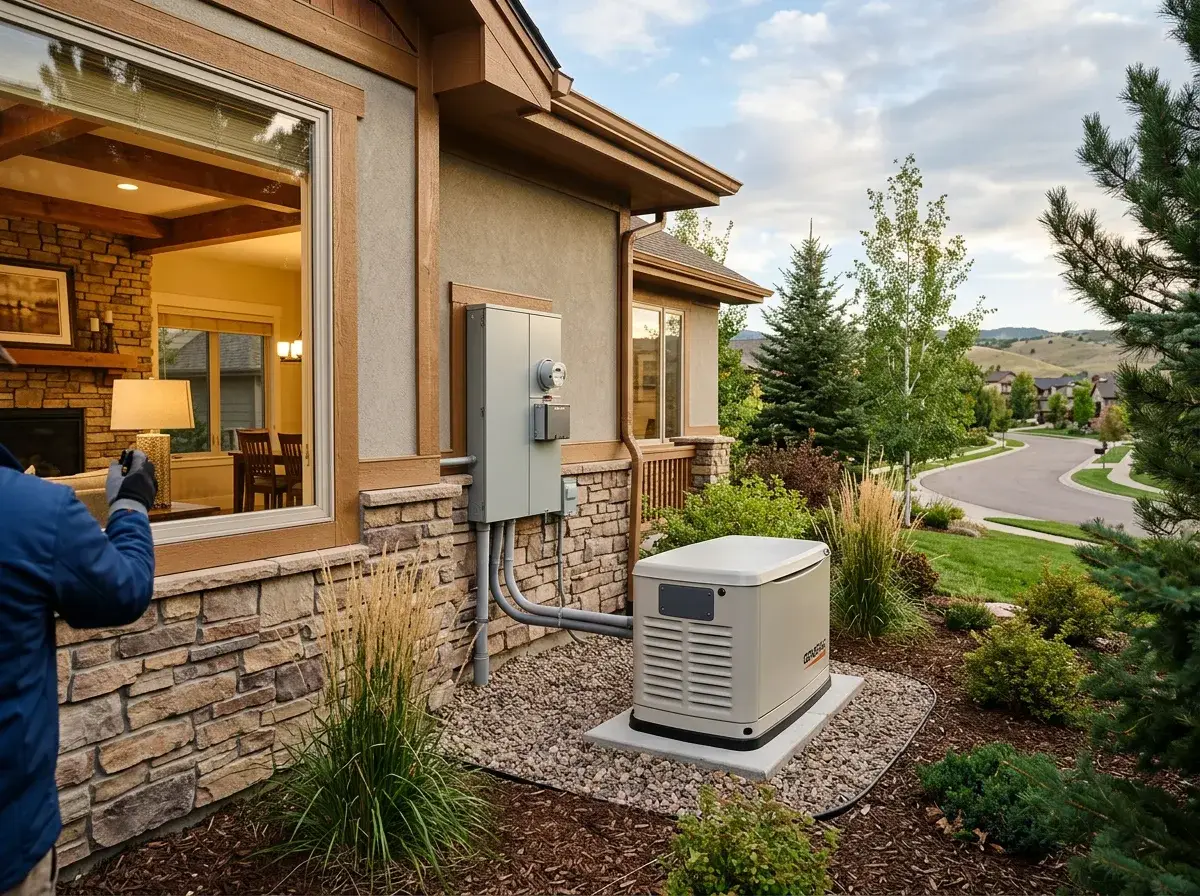
A lot of Lone Tree’s housing stock sits on sloped lots with walkout basements, and that layout changes how we think about a standby generator. The pad has to sit somewhere that respects clearances from windows, doors and vents, and on a sloped lot that spot is not always the flat patch closest to the panel. We also look at where the gas meter and the electrical panel land relative to the basement walkout, since a longer run between the generator and the panel adds conductor length and cost. Many of these homes have a sump pump working through wet springs, and that pump is often the single biggest reason a homeowner calls us. If it stops during a multi-day outage and nobody is around to run a portable unit, water finds its way into a finished basement fast, and the repair bill dwarfs what a generator would have cost. We size the transfer switch to cover the sump pump along with the furnace and refrigerator as a baseline, then add capacity for anything else that matters, like a home theater or a guest suite. HOA rules common in Lone Tree communities often govern screening and placement too, so we settle that before ordering equipment, the same way we do for any exterior electrical work in the city.
Lone Tree gets its share of spring snow that snaps tree limbs and summer hail and wind that put lines down across the south metro. Those outages tend to be short, but not always, and the ones that stretch to a full day or more are the ones that cause real damage. A furnace that stops in January means frozen pipes within hours in an empty house. A refrigerator and freezer that lose power for a day mean spoiled food and a call to the insurance company. We ask new customers how long outages on their specific street have run in the past, because that answer, more than any general statistic, tells us whether a household needs a standby system sized to carry most of the house or whether a smaller portable setup with a proper inlet and interlock covers the risk. Either way, the connection has to isolate the generator from the utility completely, every time, which protects both your equipment and the line crews working to restore power. We size the system, handle the permit, and test it with a simulated outage before we consider the job finished, whether the address is near Ridgegate or closer to the C-470 side of the city.
Lights that flicker grab your attention fast. You try the switch again and…
Light switches look simple, but a switch that quits can mean there is a…
From storms to grid shifts, surges arrive without warning and can damage…
Smart home upgrades appeal to people because they save time and cut down…
Many homeowners reach out for an inspection because their breaker trips when…
When a major appliance shuts off in the middle of running or trips…
Ceiling fans make a room comfortable without running the air conditioning as…
Smoke alarms save lives, and they only work when the sensors inside them…
Electric vehicles have moved from a rare sight to something you see on…
Smart doorbells add convenience and peace of mind. You can see who is…
Every outlet and switch in the house leads back to the panel. When…
An electrician can spot what the untrained eye cannot see. There may be…
Homeowners do a lot of research before committing to a remodel or new…
Switches, breakers, and outlets handle power day in and day out. Outlets…
Power outages hit harder in Colorado than in many places. A fast change…
A room with thoughtful lighting is clear, usable, and enjoyable to work in…
Upgrading the lighting in a commercial space sounds simple at first. In…
Colorado evenings are best on a deck with lighting that lets you…
With the right lighting, a yard that disappears at night becomes a place…
A generator keeps your house running during an outage, but the moment power comes back on, the grid can send a surge through your panel. Whole-house surge protection installed alongside your transfer equipment guards the electronics, HVAC controls and generator components you just invested in, so one bad restoration does not undo the other. It’s a small add-on to the same job…
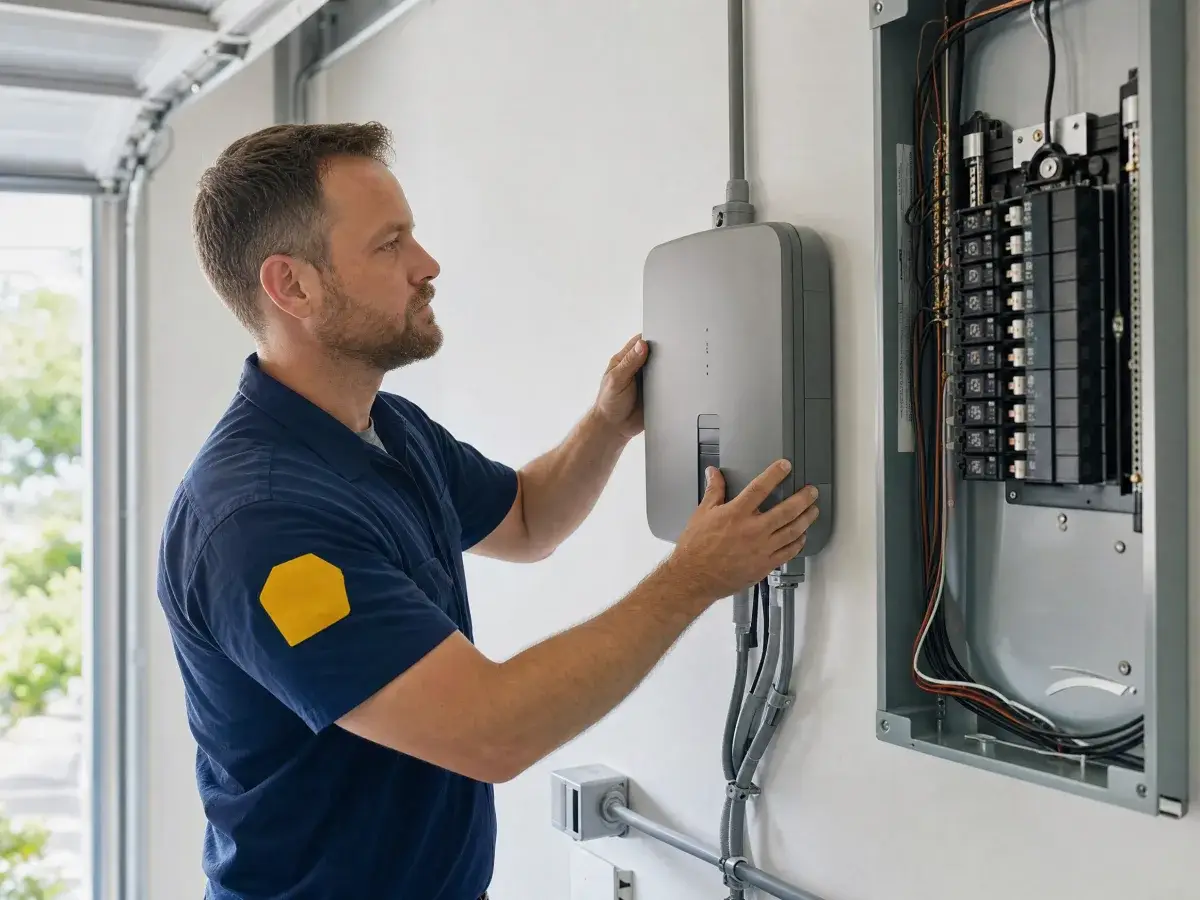
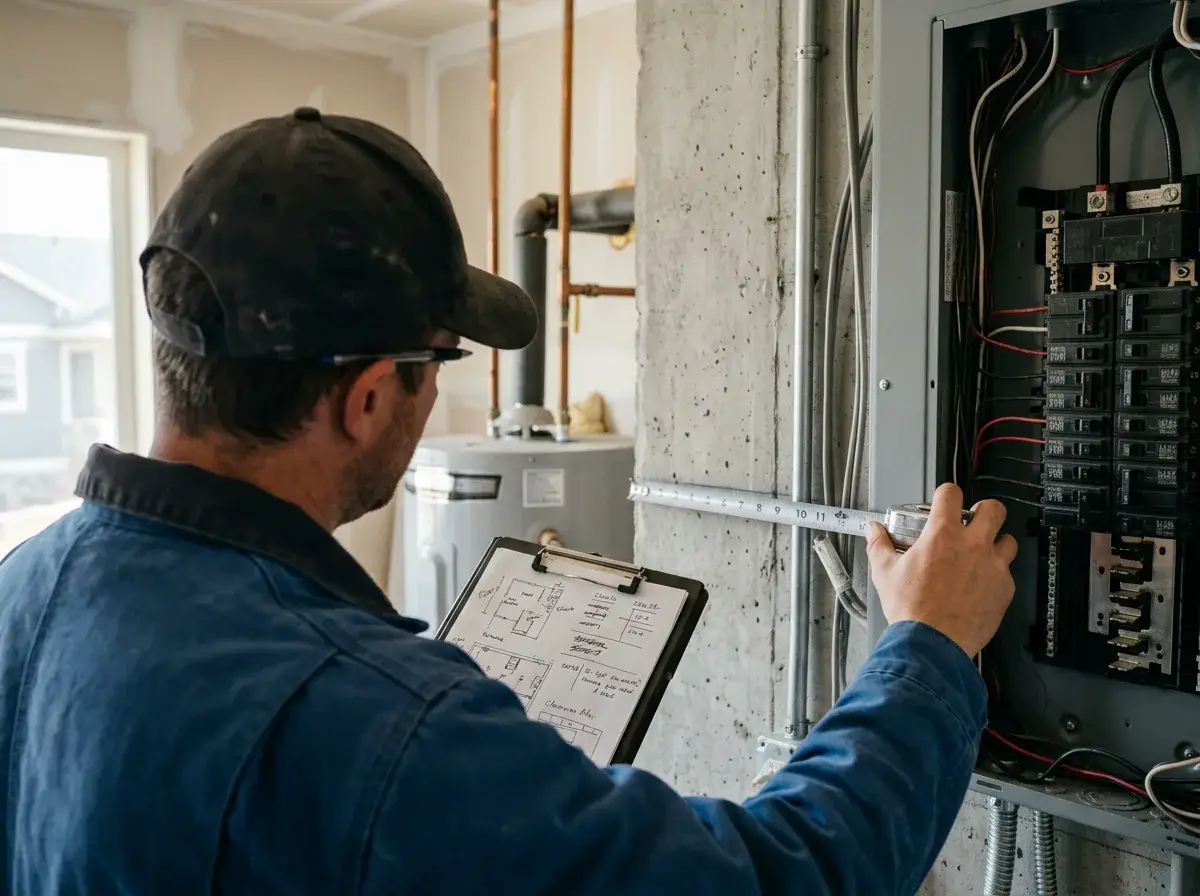
Lone Tree is its own city in Douglas County, which means electrical permits for a generator follow the city’s process rather than the county’s. We confirm what your specific address requires before anything gets ordered, and we handle pulling that permit as part of the job. Most Lone Tree neighborhoods also have an HOA, and generators usually fall under exterior equipment rules covering placement and screening from the street or neighboring yards. Getting that approval sorted early avoids a delay after the unit has already shipped, since standby generators can have lead times running into weeks.
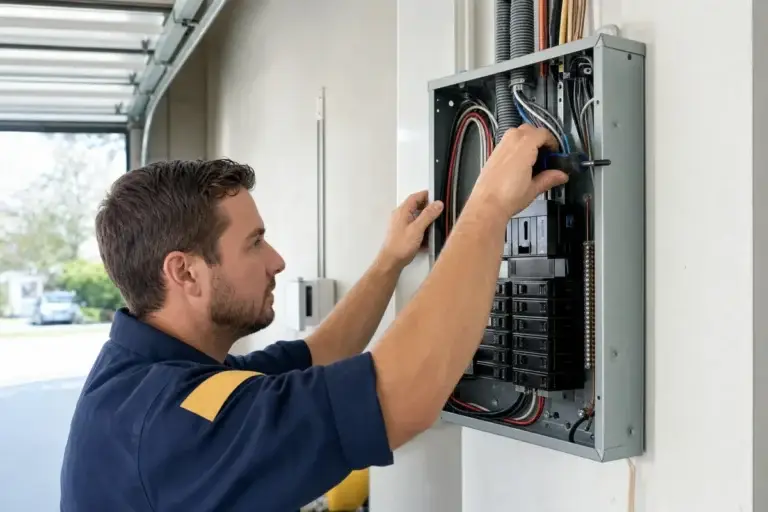
Once the permit and any HOA approval are in place, the physical work moves fast. Setting the pad, running the gas line if needed, wiring the transfer switch and connecting the generator to your panel typically takes one to two days once the equipment is on site. The bigger variable is usually the wait for the generator itself, so we give you an honest schedule up front rather than a rough guess. We also check whether your existing panel has room for the new transfer switch or whether a panel upgrade needs to happen first, since trying to force a transfer switch onto a full, older panel causes problems down the line. If you’re still deciding between a whole-house standby unit and a smaller portable setup for your Lone Tree home, we can walk through both options and their real costs on a site visit before you commit to either one. Call us and we’ll get a visit scheduled.
If you’re ready to talk through generator options for your Lone Tree home, call Northgate Electric at (720) 555-0142 and we’ll set up a visit to look at your panel, your gas service and the loads you want covered. You can also reach us through our contact page and describe your situation, and we’ll follow up with next steps and an honest sense of timing before anything is ordered.
Get $50 off electrical repairs of $500 or more. Limit one per customer. Not valid with other offers.
Get $100 off electrical panel replacement. Limit one per customer. Not valid with other offers.
Get $45 off EV charger installation. Limit one per customer. Not valid with other offers.
Get 10% off your electrical service needs. Maximum discount $100. Limit one per customer.
Here are questions Lone Tree homeowners commonly ask us about generator installation before scheduling a visit.
Yes. Lone Tree is its own city, so the electrical permit for a generator follows the city’s process rather than the county’s. We confirm the exact requirements for your address, pull the permit, and coordinate the electrical and gas inspections.
Most likely. Many Lone Tree communities require architectural approval for exterior equipment like a generator pad, covering placement and screening. We provide cut sheets and a site plan for your HOA application before ordering equipment.
Once the pad is set and permits are issued, most standby installs take one to two days on site. The generator itself can have a lead time of several weeks, so we give you an honest schedule when the order goes in.
It depends on what has to keep running, such as a sump pump on a walkout lot, a furnace, or central air. We calculate your essential loads during the visit and size the generator and transfer switch to match, rather than guessing.
It can, if someone is usually home to start it during an outage. We install a proper inlet with an interlock or transfer switch so it connects safely, rather than backfeeding through a dryer outlet, which is dangerous and against code.
Installed whole-house standby systems in the Lone Tree area commonly run $9,000 to $20,000, depending on generator size, transfer switch, distance to the panel, and gas work. The exact price is confirmed in writing after we see your home.
It can. On a walkout lot, we still need to keep the required clearances from windows, doors and vents, but the flattest spot near the panel isn’t always available. We settle placement on the site visit before ordering the unit.